


Some error occured while loading the Quick View. Please close the Quick View and try reloading the page.
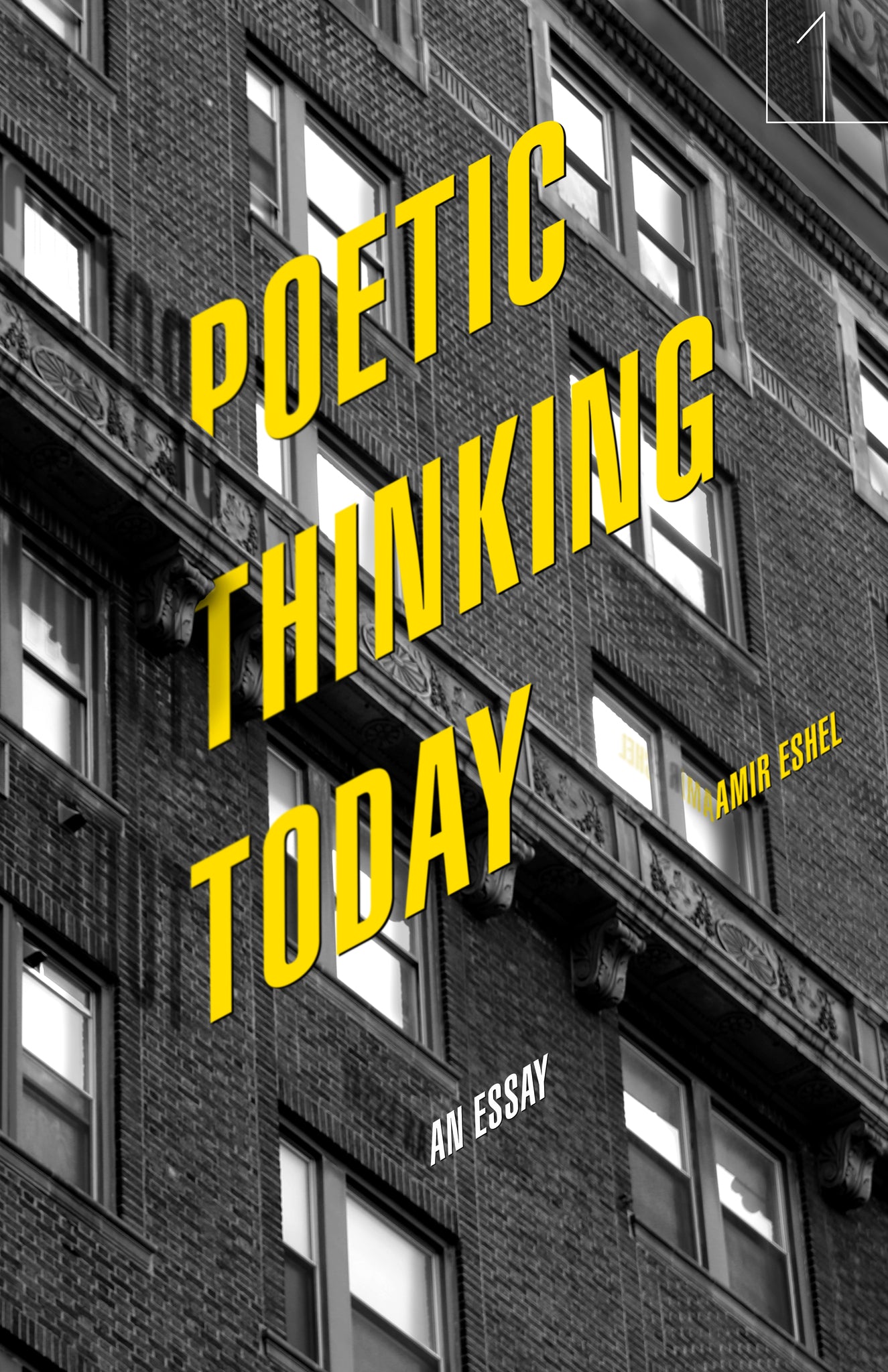
Thinking is much broader than what our science-obsessed, utilitarian culture often takes it to be. More than mere problem solving or the methodical comprehension of our personal and natural circumstances, thinking may take the form of a poem, a painting, a sculpture, a museum exhibition, or a documentary film. Exploring a variety of works by contemporary artists and writers who exemplify poetic thinking, this book draws our attention to one of the crucial affordances of this form of creative human insight and wisdom: its capacity to help protect and cultivate human freedom. All the contemporary works of art and literature that Poetic Thinking Today examines touch on our recent experiences with tyranny in culture and politics. They express the uninhibited thoughts and ideas of their creators even as they foster poetic thinking in us. In an era characterized by the global reemergence of authoritarian tendencies, Amir Eshel writes with the future of the humanities in mind. He urges the acknowledgment and cultivation of poetic thinking as a crucial component of our intellectual pursuits in general and of our educational systems more specifically.

1. Thinking Poems: On Paul Celan and Dan Pagis
2. Thinking Paintings: On Gerhard Richter
3. Thinking Sculptures: On Dani Karavan
Coda: Our Poetic Age