


Some error occured while loading the Quick View. Please close the Quick View and try reloading the page.
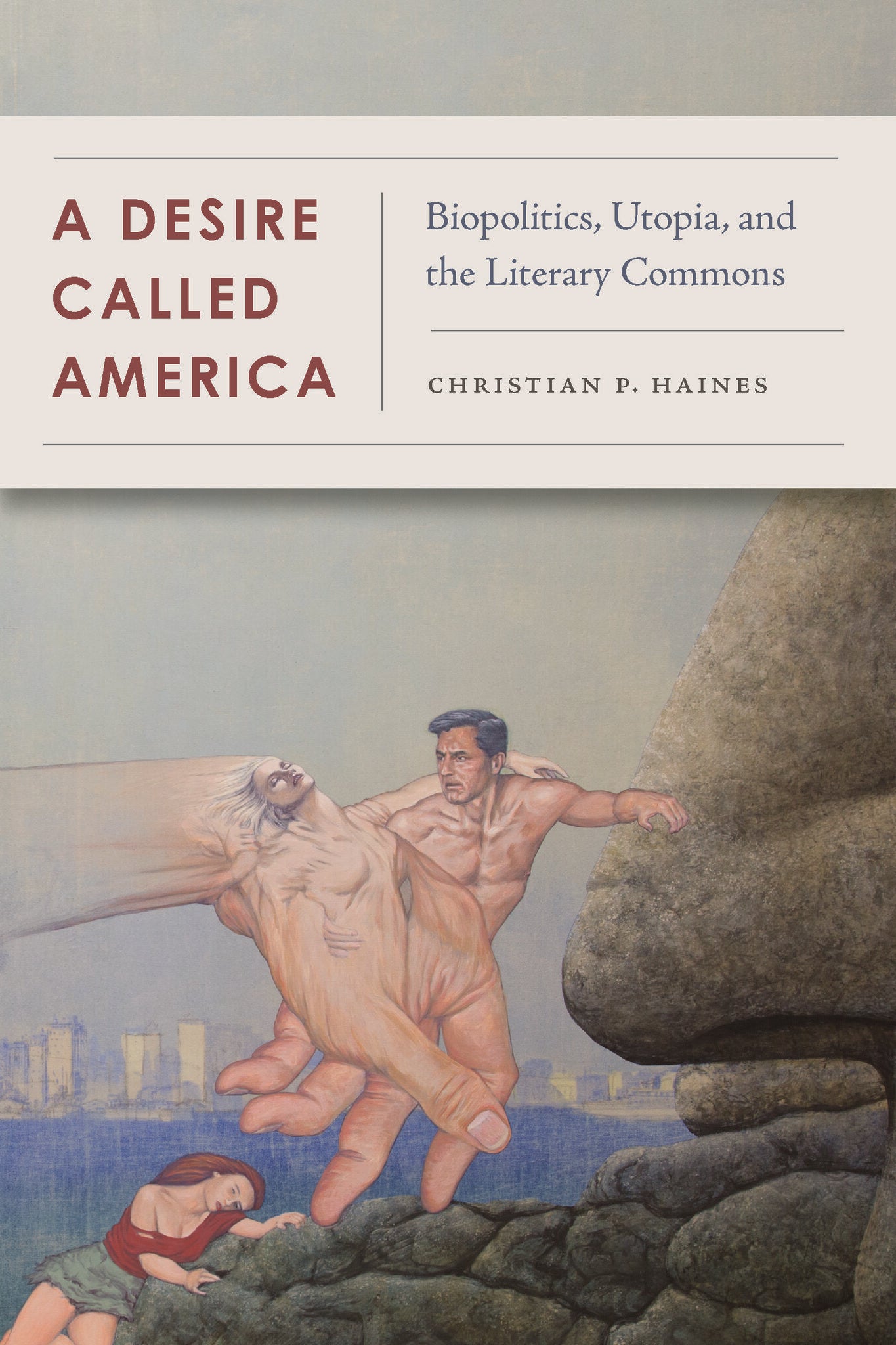
Critics of American exceptionalism usually view it as a destructive force eroding the radical energies of social movements and aesthetic practices. In A Desire Called America, Christian P. Haines confronts a troubling paradox: Some of the most provocative political projects in the United States are remarkably invested in American exceptionalism. Riding a strange current of U.S. literature that draws on American exceptionalism only to overturn it in the name of utopian desire, Haines reveals a tradition of viewing the United States as a unique and exemplary political model while rejecting exceptionalism’s commitments to nationalism, capitalism, and individualism. Through Walt Whitman, Emily Dickinson, William S. Burroughs, and Thomas Pynchon, Haines brings to light a radically different version of the American dream—one in which political subjects value an organization of social life that includes democratic self-governance, egalitarian cooperation, and communal property.
A Desire Called America brings utopian studies and the critical discourse of biopolitics to bear upon each other, suggesting that utopia might be less another place than our best hope for confronting authoritarianism, neoliberalism, and a resurgent exclusionary nationalism.

Introduction: Impossibly American | 1
1. A Revolutionary Haunt: Utopian Frontiers
in William S. Burroughs’s Late Trilogy | 33
2. The People and the People: Democracy and Vitalism
in Walt Whitman’s 1855 Leaves of Grass | 74
3. Nobody’s Wife: Affective Economies of Marriage
in Emily Dickinson | 114
4. Idle Power: The Riot, the Commune, and Capitalist Time
in Thomas Pynchon’s Against the Day | 157
Coda: Assembling the Future | 205
Acknowledgments | 209
Notes | 213
Index | 241