


Some error occured while loading the Quick View. Please close the Quick View and try reloading the page.
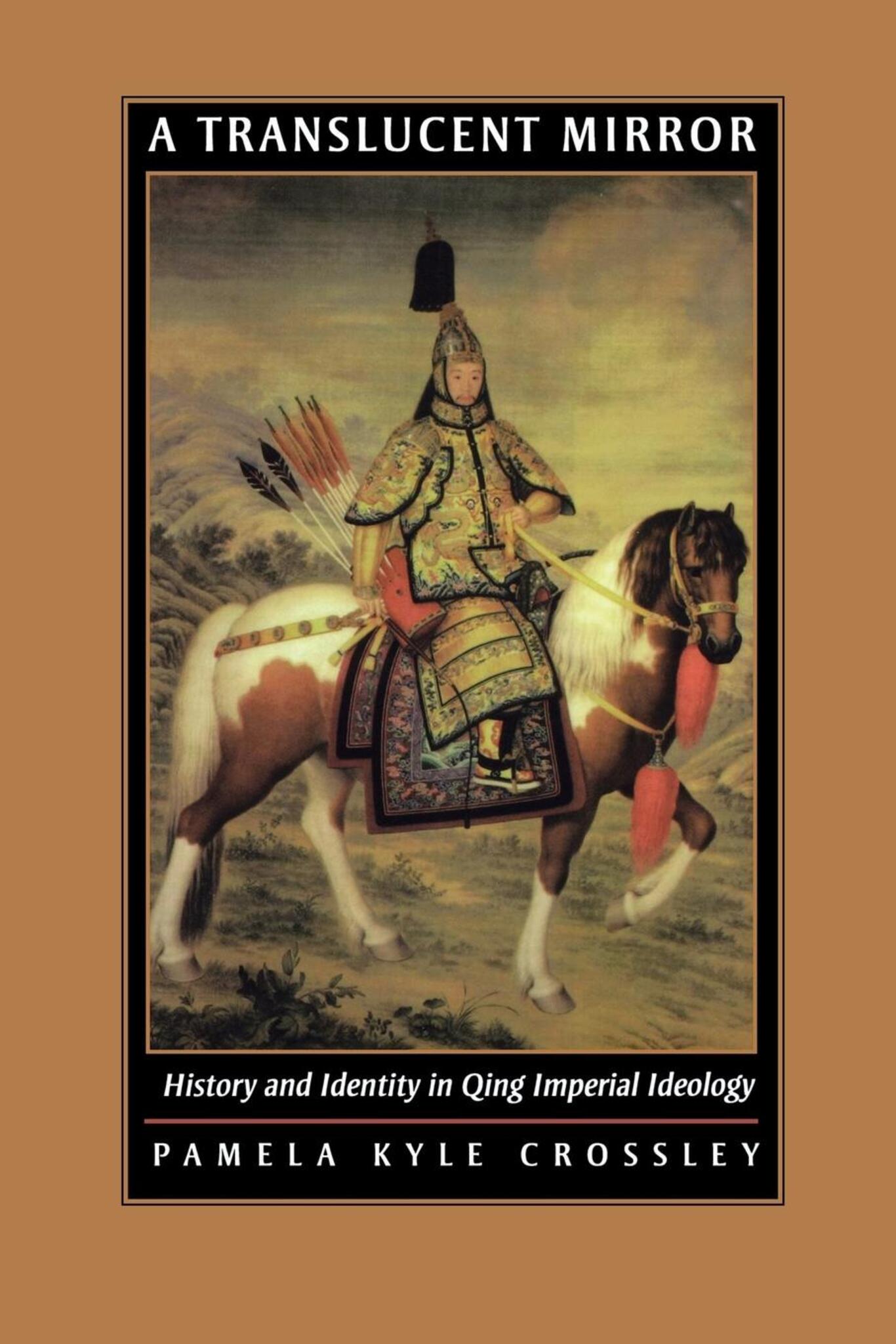
In this landmark exploration of the origins of nationalism and cultural identity in China, Pamela Kyle Crossley traces the ways in which a large, early modern empire of Eurasia, the Qing (1636-1912), incorporated neighboring, but disparate, political traditions into a new style of emperorship. Drawing on a wide variety of primary sources, including Manchu, Korean, and Chinese archival materials, Crossley argues that distortions introduced in seventeenth- and eighteenth-century historical records have blinded scholars to the actual course of events in the early years of the dynasty. This groundbreaking study examines the relationship between the increasingly abstract ideology of the centralizing emperorship of the Qing and the establishment of concepts of identity in the seventeenth and eighteenth centuries, before the advent of nationalism in China.
Concluding with a broad-ranging postscript on the implications of her research for studies of nationalism and nation-building throughout modern Chinese history, A Translucent Mirror combines a readable narrative with a sophisticated, revisionary look at China's history. Crossley's book will alter current understandings of the Qing emperorship, the evolution of concepts of ethnicity, and the legacy of Qing rule for modern Chinese nationalism.
Concluding with a broad-ranging postscript on the implications of her research for studies of nationalism and nation-building throughout modern Chinese history, A Translucent Mirror combines a readable narrative with a sophisticated, revisionary look at China's history. Crossley's book will alter current understandings of the Qing emperorship, the evolution of concepts of ethnicity, and the legacy of Qing rule for modern Chinese nationalism.

Price: $34.95
Pages: 417
Publisher: University of California Press
Imprint: University of California Press
Publication Date:
16 April 2002
Trim Size: 9.00 X 6.00 in
ISBN: 9780520234246
Format: Paperback
BISACs:
Pamela Kyle Crossley is Rosenwald Research Professor of History, Dartmouth College; author of Orphan Warriors: Three Manchu Generations and the End of the Qing World (1990) and The Manchus (1997); and coauthor (with Richard Bulliet and Dan Headrick) of The Earth and Its Peoples (1997).
List of Maps
Acknowledgments
Introduction
Ideology, Rulership, and History
Conquest and the Blessing of the Past
Imperial Universalism and Circumscription of Identity
PART I THE GREAT WAll
1 Trial by Identity
A Discourse on Ancestry
Political Names in Nurgan
The Liaodongese
2 The Character of Loyalty
The Early Nikan Spectrum
Conquest and Distinctions
Personifications of Fidelity
PART II THE FATHER'S HOUSE
3 Boundaries of Rule
Origins of the Khanship
The Collegial Impulse
The Reinvention of Treason
4 Empire and Identity
Subjugation and Equality
Generating Imperial Authority
Authenticity
Surpassing Limits
PART III THE CELESTIAL PILLAR
5 The Wheel-Turning King
The Center
Debating the Past
The Power of Speech
6 The Universal Prospect
The Banner Elites
Shady Pasts
Manchuness
Following Chinggis
The Empty Constituency
Postscript: Race and Revolution at the End of the Empire
Bibliography
Abbreviations
Index
Acknowledgments
Introduction
Ideology, Rulership, and History
Conquest and the Blessing of the Past
Imperial Universalism and Circumscription of Identity
PART I THE GREAT WAll
1 Trial by Identity
A Discourse on Ancestry
Political Names in Nurgan
The Liaodongese
2 The Character of Loyalty
The Early Nikan Spectrum
Conquest and Distinctions
Personifications of Fidelity
PART II THE FATHER'S HOUSE
3 Boundaries of Rule
Origins of the Khanship
The Collegial Impulse
The Reinvention of Treason
4 Empire and Identity
Subjugation and Equality
Generating Imperial Authority
Authenticity
Surpassing Limits
PART III THE CELESTIAL PILLAR
5 The Wheel-Turning King
The Center
Debating the Past
The Power of Speech
6 The Universal Prospect
The Banner Elites
Shady Pasts
Manchuness
Following Chinggis
The Empty Constituency
Postscript: Race and Revolution at the End of the Empire
Bibliography
Abbreviations
Index