


Some error occured while loading the Quick View. Please close the Quick View and try reloading the page.
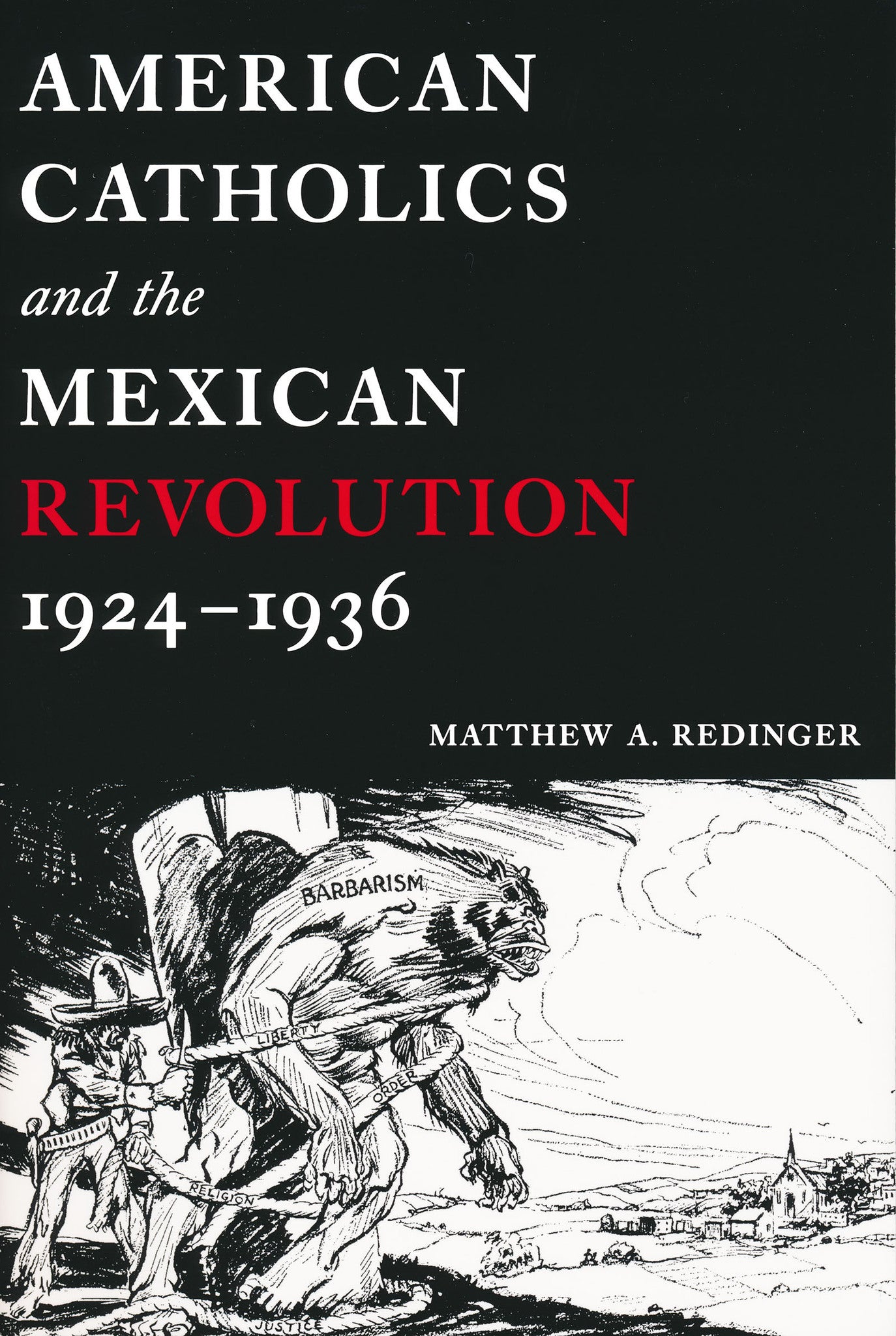
“Geography brought them together, but history drove them apart.” This is the fundamental reality of the relationship between the United States and Mexico, contends Matthew A. Redinger. Roman Catholics in the United States became increasingly alarmed by the anticlerical articles included in the new Mexican Constitution of 1917 and by the moves to enforce them in the 1920s, through nationalizing church property and closing religious schools. U.S. Catholics viewed the anticlerical agenda of radical social reformers as a threat to their very soul. Individual religious and lay leaders and numerous Catholic organizations responded by launching broad-based initiatives to arouse sympathetic public opinion and to force the U.S. government to alter its relationship to the Mexican government.
Redinger’s study offers an insightful analysis of the efforts of many American Catholics working as a private interest group to effect change in U.S.–Mexican relations and in the public policy of this nation. His judicious examination of numerous ecclesiastical and governmental archives, as well as personal papers, elucidates an important period in American Catholic history.

"Matthew Redinger's fine study is remarkable in that it will appeal not only to readers of American diplomatic history and Mexican-United States relations, buth also to those who wish to have a richer understanding of the history of the Catholic Church. With its focus on the importance of private interest groups in U.S. foreign policy, it is especially relevant to our own times." —Robert R. Swartout, Jr., Carroll College
Matthew A. Redinger is professor of history at Montana State University, Billings.