


Some error occured while loading the Quick View. Please close the Quick View and try reloading the page.
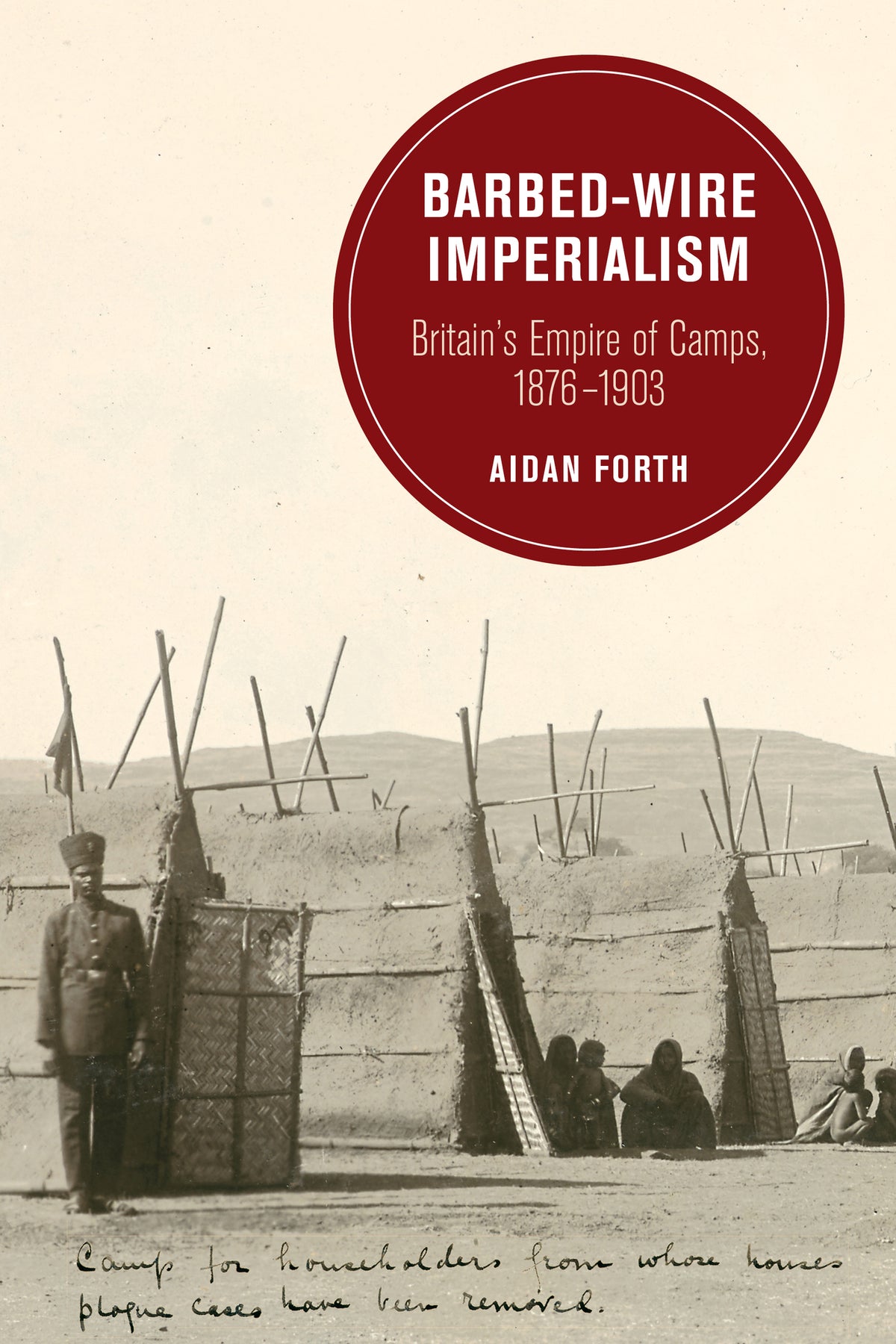
Camps are emblems of the modern world, but they first appeared under the imperial tutelage of Victorian Britain. Comparative and transnational in scope, Barbed-Wire Imperialism situates the concentration and refugee camps of the Anglo-Boer War (1899-1902) within longer traditions of controlling the urban poor in metropolitan Britain and managing "suspect" populations in the empire. Workhouses and prisons, along with criminal tribe settlements and enclosures for the millions of Indians displaced by famine and plague in the late nineteenth century, offered early prototypes for mass encampment. Venues of great human suffering, British camps were artifacts of liberal empire that inspired and legitimized the practices of future regimes.

Price: $34.95
Pages: 368
Publisher: University of California Press
Imprint: University of California Press
Series: Berkeley Series in British Studies
Publication Date:
10 October 2017
Trim Size: 9.00 X 6.00 in
ISBN: 9780520293977
Format: Paperback
BISACs:
"This erudite book is a brilliant contribution to our understanding of imperial modalities of domination and discipline through ostensibly humanitarian means."
Aidan Forth is Associate Professor of History at MacEwan University.
List of Figures
Acknowledgments
Introduction: Britain’s Empire of Camps
1. Concentrating the “Dangerous Classes”: The Cultural and Material Foundations of British Camps
2. “Barbed-Wire Deterrents”: Detention and Relief at Indian Famine Camps, 1876–1901
3. “A Source of Horror and Dread”: Plague Camps in India and South Africa, 1896–1901
4. Concentrated Humanity: The Management and Anatomy of Colonial Camps, c. 1900
5. Camps in a Time of War: Civilian Concentration in Southern Africa, 1900–1901
6. “Only Matched in Times of Famine and Plague”: Life and Death in the Concentration Camps
7. “A System Steadily Perfected”: Camp Reform and the “New Geniuses from India,” 1901–1903
Epilogue: Camps Go Global: Lessons, Legacies, and Forgotten Solidarities
Notes
Works Cited
Index
Acknowledgments
Introduction: Britain’s Empire of Camps
1. Concentrating the “Dangerous Classes”: The Cultural and Material Foundations of British Camps
2. “Barbed-Wire Deterrents”: Detention and Relief at Indian Famine Camps, 1876–1901
3. “A Source of Horror and Dread”: Plague Camps in India and South Africa, 1896–1901
4. Concentrated Humanity: The Management and Anatomy of Colonial Camps, c. 1900
5. Camps in a Time of War: Civilian Concentration in Southern Africa, 1900–1901
6. “Only Matched in Times of Famine and Plague”: Life and Death in the Concentration Camps
7. “A System Steadily Perfected”: Camp Reform and the “New Geniuses from India,” 1901–1903
Epilogue: Camps Go Global: Lessons, Legacies, and Forgotten Solidarities
Notes
Works Cited
Index