


Some error occured while loading the Quick View. Please close the Quick View and try reloading the page.
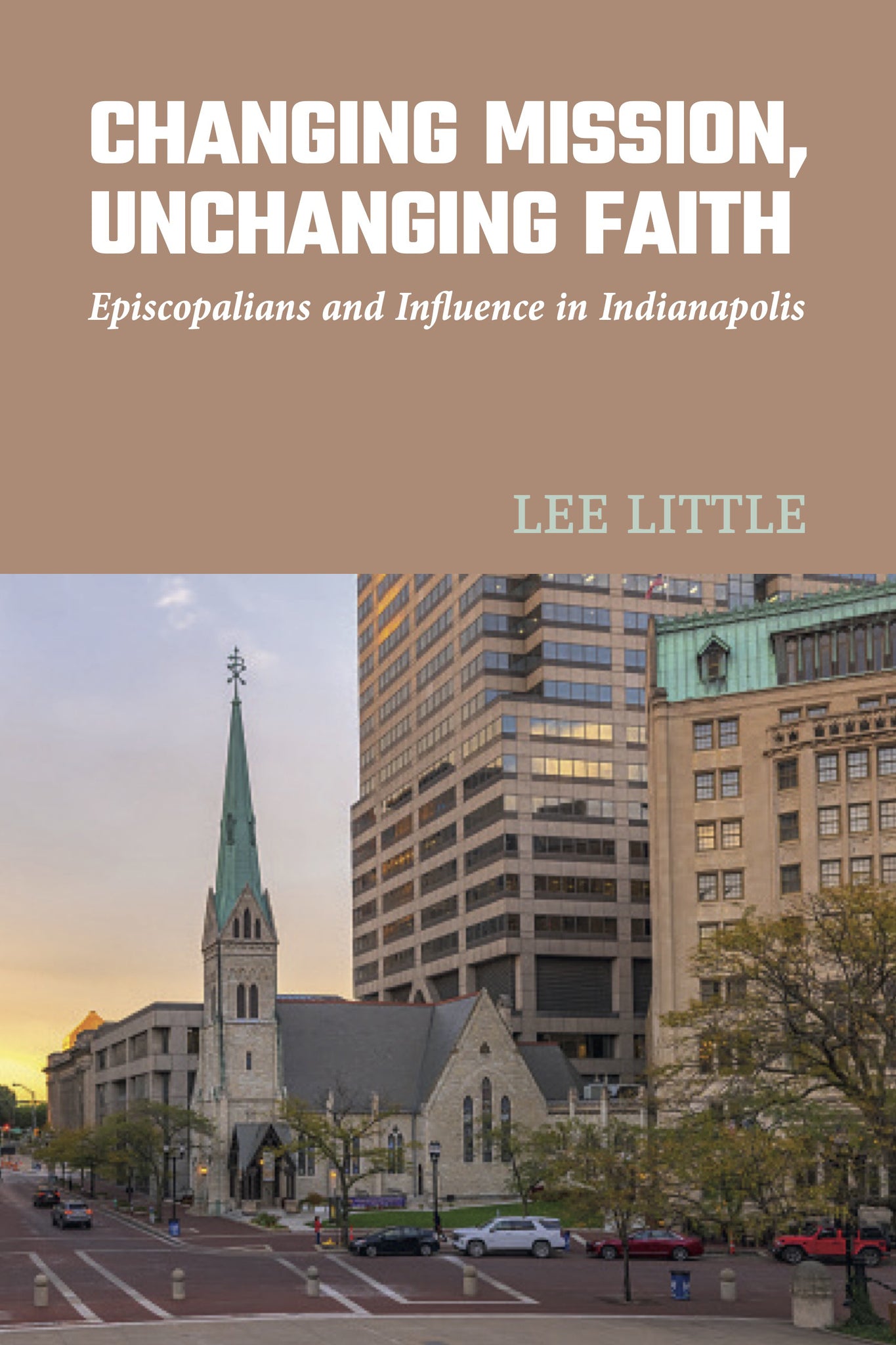
A story of the church’s transformation, told through the lens of a mid-American city.
Indianapolis is demographically close to the median American city and has experienced many of the same dynamics as other similarly sized American cities. Indianapolis is also home to a set of unique Episcopal institutions; the Diocese of Indianapolis has benefited from local wealth and close connections to the centers of civic power.
In Changing Mission, Unchanging Faith, Lee Little examines the ways that the Episcopal Diocese of Indianapolis has transformed from one of the most institutionalist religious groups in the city to one of the most progressive. Arguing that the diocese’s unique wealth and status has enabled this transformation, Little also notes many of the tensions still inherent in the church’s close connection to historic, class-based structures. In considering the ways in which the Episcopal Church in Indianapolis has evolved, and the ways that it continues to evolve, Little argues that the diocese represents an example of change that should be studied across the Episcopal Church and the broader landscape of American mainline Protestantism.

"Little's work in this book has [certain]…standout features. One is the recurrent use of the concept of the ‘religious marketplace’ as a framing device Little employs throughout most chapters to consider how this diocese existed within a larger ecosystem of other religious traditions…. [One can] foresee this book as being most useful to scholars or academics of American religious history, interested in the interplay between Christian denominations and socioeconomic or political forces…Students and scholars of religion in America…should find this book to be an intriguing case study.”
— Michael Nichols, Anglican and Episcopal History