


Some error occured while loading the Quick View. Please close the Quick View and try reloading the page.
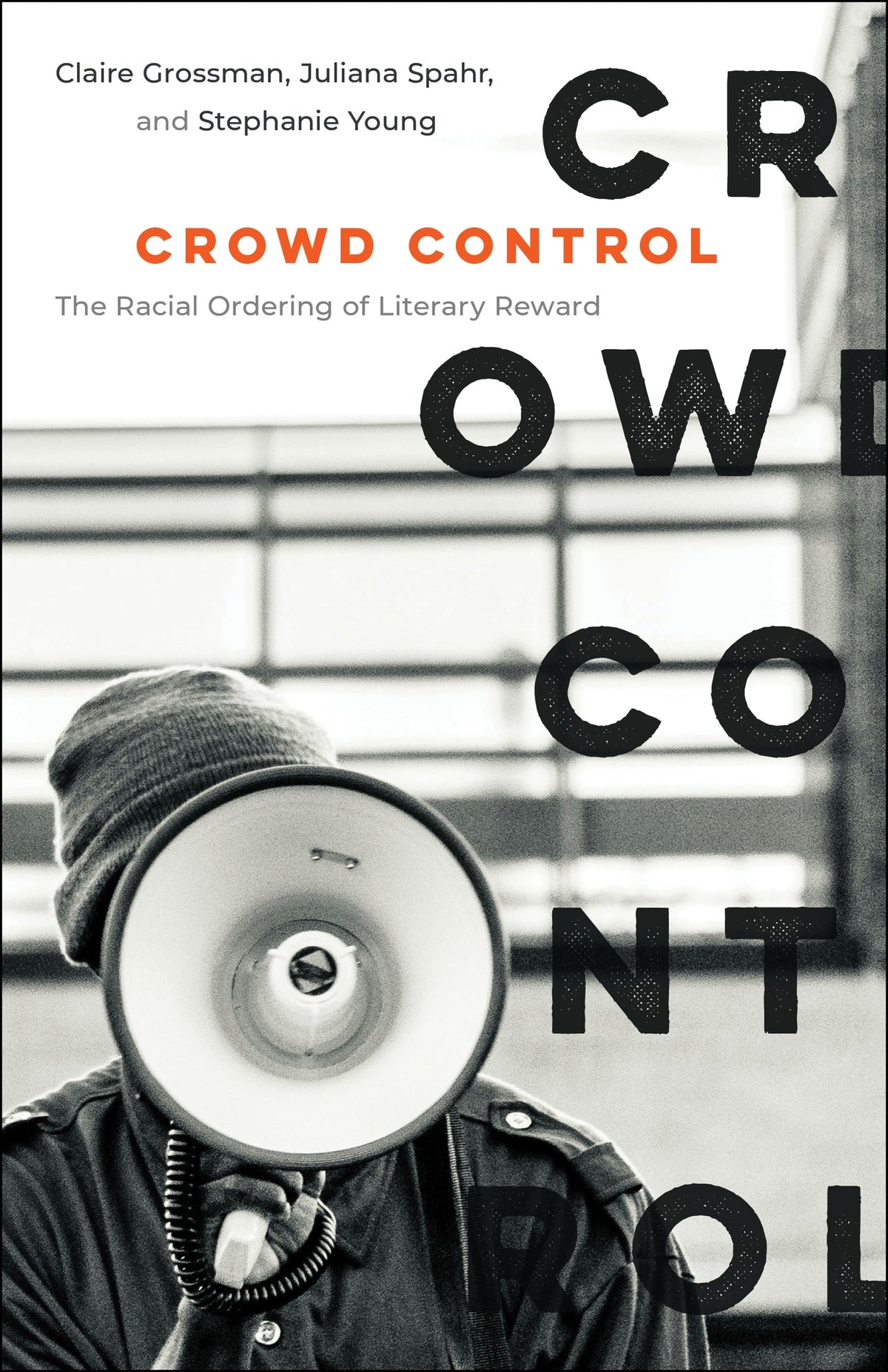
From the race riots of 1919 to the Black Lives Matter movement, anxieties about Black uprising have influenced literary funding and prestige in the United States. Across many decades, grants and prizes have shaped the broader ecosystem of US literature, working in tandem to reroute Black militancy and define literary excellence as white. Even as the field diversified in the twenty-first century, prestige institutions raised barriers to entry and imposed new constraints on writers of color.
Crowd Control tells the story of how efforts to contain Black resistance led to the invention of American literary excellence. It brings together archival research and comprehensive data on literary prize demographics with readings of works by Claude McKay, Langston Hughes, William Styron, Claudia Rankine, and others to offer a material account of how US literature has imagined—and managed—protest. Because literature was thought to mollify, redirect, or cast public doubt on militant resistance, moments of mass protest consistently have been followed by targeted support for Black writers. Tracing the evolution of the institutions that reward writers across more than a century, this book unveils the hidden connection between literary funding and social control.

— James English, author of The Economy of Prestige: Prizes, Awards, and the Circulation of Cultural Value
Claire Grossman is an assistant professor of English at Occidental College.
Juliana Spahr is a poet and a scholar. Her most recent book of poetry is Ars Poeticas (2025), which received the 2026 Pulitzer Prize for Poetry. Her most recent book of scholarship is Du Bois’s Telegram: Literary Resistance and State Containment (2018).
Stephanie Young directs the creative writing program at Mills College at Northeastern University and is a member of the Krupskaya Books editorial collective. Her books of poetry and prose include Pet Sounds (2019).