


Some error occured while loading the Quick View. Please close the Quick View and try reloading the page.
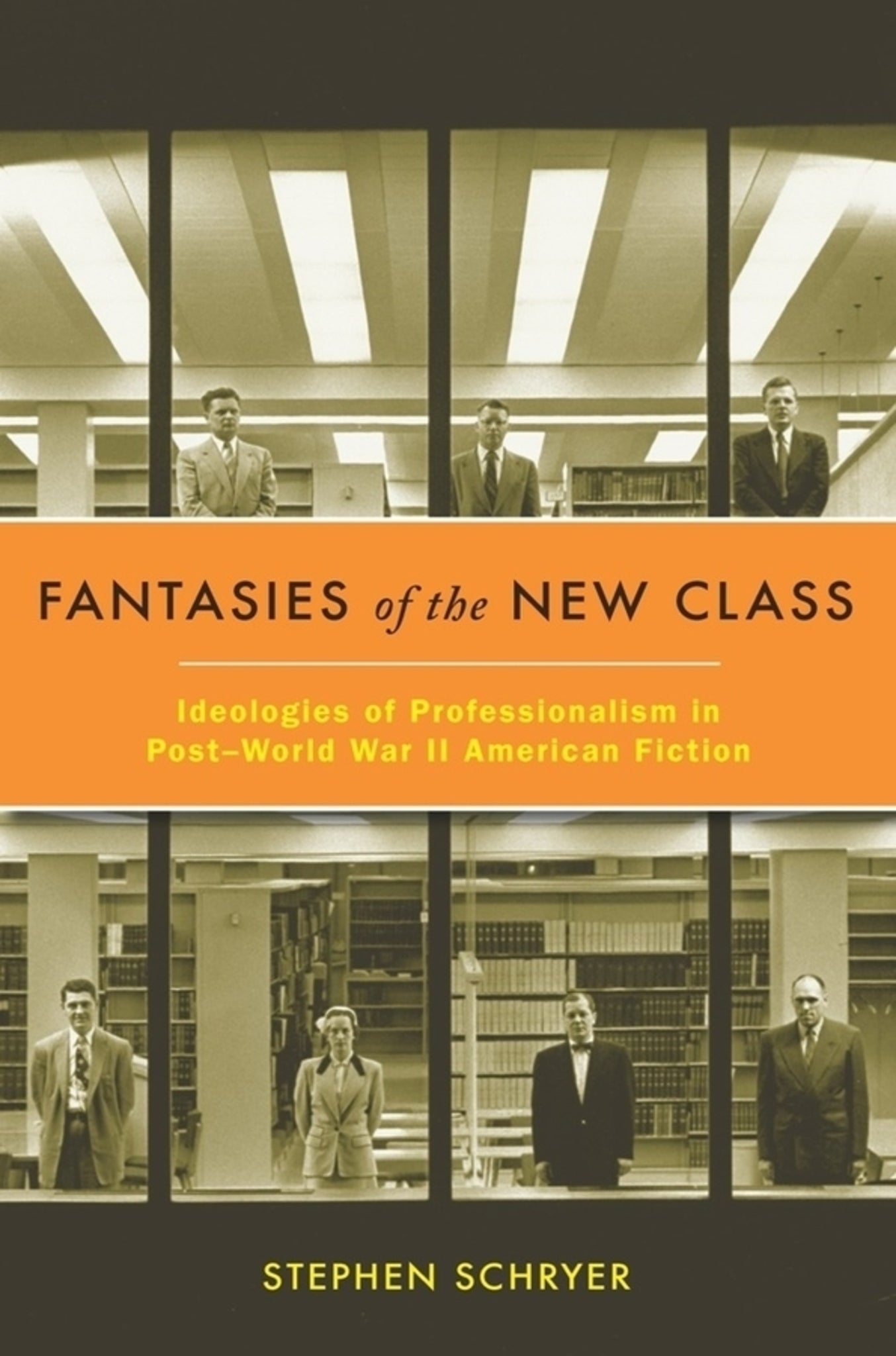
America's post–World War II prosperity created a boom in higher education, expanding the number of university-educated readers and making a new literary politics possible. Writers began to direct their work toward the growing professional class, and the American public in turn became more open to literary culture. This relationship imbued fiction with a new social and cultural import, allowing authors to envision themselves as unique cultural educators. It also changed the nature of literary representation: writers came to depict social reality as a tissue of ideas produced by knowledge elites.
Linking literary and historical trends, Stephen Schryer underscores the exalted fantasies that arose from postwar American writers' new sense of their cultural mission. Hoping to transform capitalism from within, writers and critics tried to cultivate aesthetically attuned professionals who could disrupt the narrow materialism of the bourgeoisie. Reading Don DeLillo, Marge Piercy, Mary McCarthy, Saul Bellow, Ursula K. Le Guin, Ralph Ellison, and Lionel Trilling, among others, Schryer unravels the postwar idea of American literature as a vehicle for instruction, while highlighting both the promise and flaws inherent in this vision.

Acknowledgments
Introduction: Fantasies of the New Class
1. The Republic of Letters: The New Criticism, by Harvard Sociology
2. "Life Upon the Horns of the White Man's Dilemma": Ralph Ellison, by Gunnar Myrdal
3. Mary McCarthy's Field Guide to U.S. Intellectuals: Tradition and Modernization Theory in Birds of America
4. Saul Bellow's Class of Explaining Creatures: Mr. Sammler's Planet and the Rise of Neoconservatism
5. Experts Without Institutions: New Left Professionalism in Marge Piercy and Ursula K. Le Guin
6. Don DeLillo's Academia: Revisiting the New Class in White Noise
Afterword
Bibliography
Index