


Some error occured while loading the Quick View. Please close the Quick View and try reloading the page.
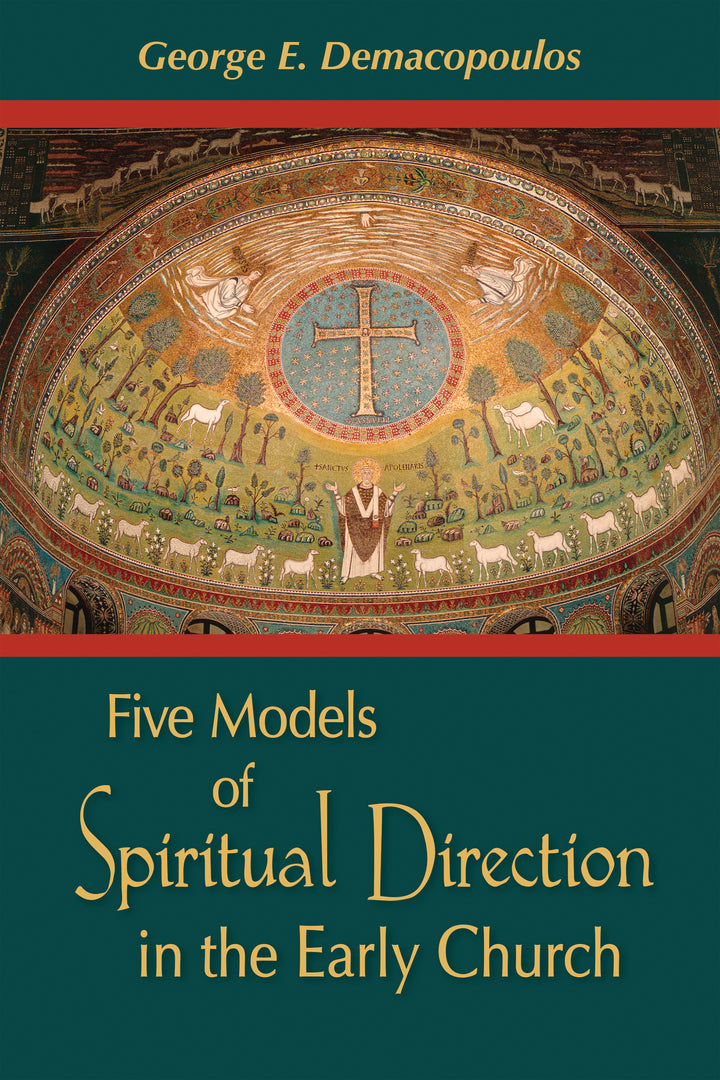
In late antiquity the rising number of ascetics who joined the priesthood faced a pastoral dilemma. Should they follow a traditional, demonstrably administrative, approach to pastoral care, emphasizing doctrinal instruction, the care of the poor, and the celebration of the sacraments? Or should they bring to the parish the ascetic models of spiritual direction, characterized by a more personal spiritual father/spiritual disciple relationship? Five Models of Spiritual Direction in the Early Church explores the struggles of five clerics (Athanasius, Gregory Nazianzen, Augustine of Hippo, John Cassian, and Pope Gregory I) to reconcile their ascetic idealism with the reality of pastoral responsibility. Through a close reading of Greek and Latin texts, George E. Demacopoulos explores each pastor's criteria for ordination, his supervision of subordinate clergy, and his methods of spiritual direction. He argues that the evolution in spiritual direction that occurred during this period reflected and informed broader developments in religious practices. Demacopoulos describes the way in which these authors shaped the medieval pastoral traditions of the East and the West. Each of the five struggled to balance the tension between his ascetic idealism and the realities of the lay church. Each offered distinct (and at times very different) solutions to that tension. The diversity among their models of spiritual direction demonstrates both the complexity of the problem and the variable nature of early Christianity. Scholars and students of late antiquity, the history of Christianity, and historical theology will find a great deal of interest in Five Models of Spiritual Direction in the Early Church. The book will also appeal to those who are actively engaged in Christian ministry.

“Is the pastoral office primarily one of activity, administration, and busyness? Or is it one of contemplation, quietness, and prayer? Which of these ideals should predominate in the life of a parish pastor? What ideal should predominate in the lives of his flock? These are issues and struggles which permeate the work of pastors. Demacopoulos’ book gives the opportunity to view that struggle in another time and place with perspectives and answers different than more current and familiar responses.” —Concordia Theological Quarterly
George E. Demacopoulos is assistant professor of historical theology at Fordham University.