


Some error occured while loading the Quick View. Please close the Quick View and try reloading the page.
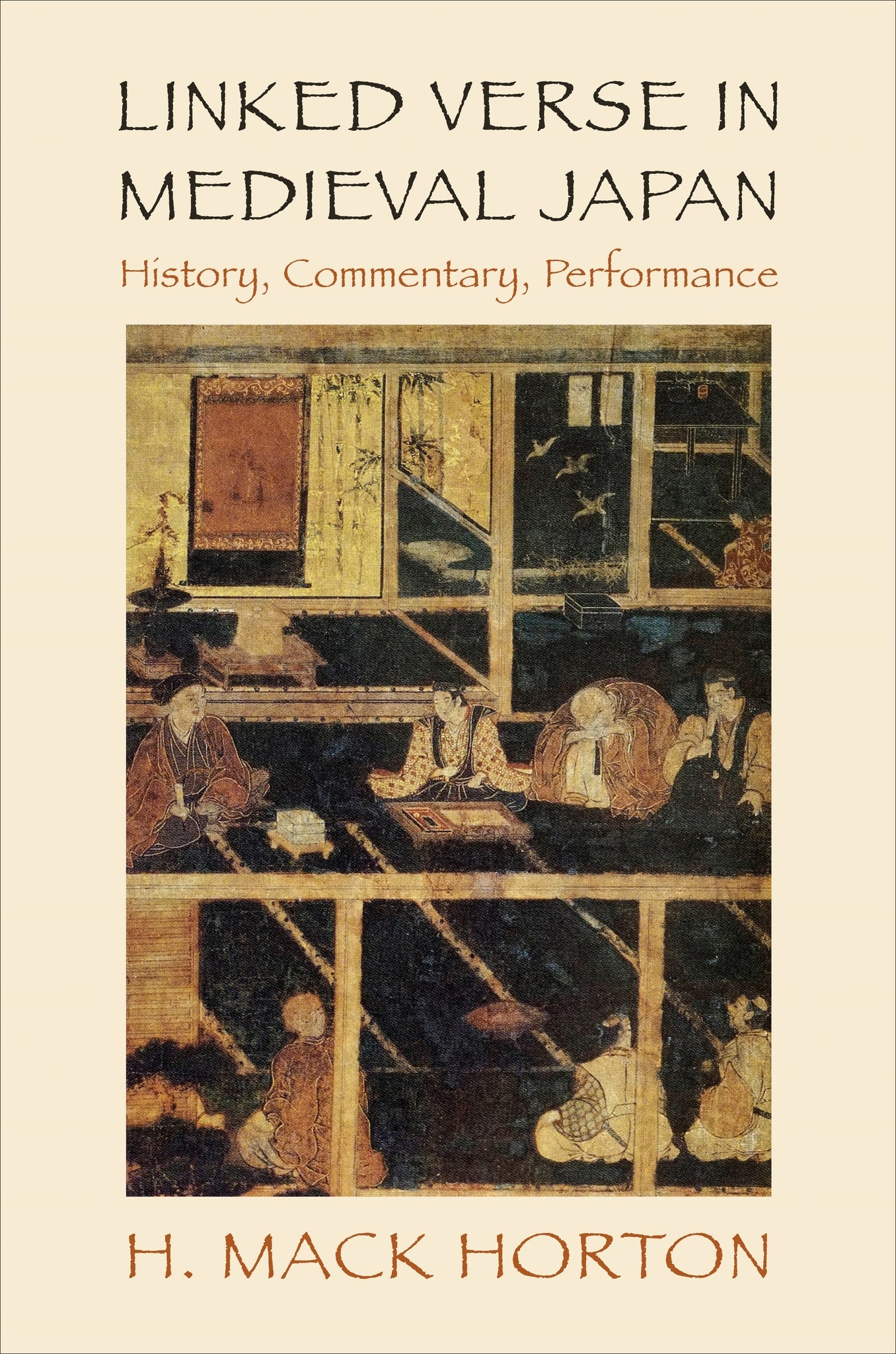
Linked verse (renga) was the most popular form of poetry in Japan’s medieval era (c. 1200–1600 CE). Renga poets linked verses of seventeen and fourteen syllables into long sequences in accordance with complex rules and literary allusions; the first verse, which initially stood alone, was the ancestor of the modern haiku. Courtiers, warriors, and commoners alike practiced linked verse in an atmosphere of literary artistry, scholarship, social sensitivity, and charged competition. The masters were often invited at great expense to warrior domains to preside at linked-verse sessions and provide instruction in the art and in allied works of the classical canon, such as The Tale of Genji. Some of Japan's most famous poets, among them Sōgi and Bashō, not only composed renga sequences still revered today but also made important contributions to the study of renga history, theory, composition, and etiquette.
This book is the most comprehensive work in English on premodern Japanese linked verse. It includes a history of the genre in both its formal (ushin) and unorthodox (haikai) manifestations up through the time of Bashō, an introduction to linked-verse composition and commentaries, and an overview of the art’s performative aspects. These three parts are each linked to original English translations: an early treatise on renga history, theory, and rules; a particularly intricate hundred-verse sequence and its contemporary commentaries; and two guides to mental attitude and deportment at a renga session. Wide-ranging and erudite, Linked Verse in Medieval Japan is a masterful account of the history, theory, and practice of one of Japan’s great art forms.

List of Figures
Conventions and Acknowledgments
発句 Introduction
史 Part I. History: Modalities of Medieval Japanese Linked Verse
1. The Origins of Linked Verse: The Nara and Heian Periods
2. The Early Medieval Period: Ushin and Mushin; Dōjō and Jige
3. The Early Maturity of the Ushin Renga Style: Nijō Yoshimoto and Kyūzei
4. The Apogee of the Ushin Renga Voice
5. The Haikai Efflorescence and the Early Modern Transition
Translation: Private Treatise on Linked-Verse Principles (Renri hishō), by Nijō Yoshimoto
注 Part II. Commentary: Historical Reception and the Yajima Shōrin’an “What-Tree” Hundred-Verse Renga Sequence
Translation: The Yajima Shōrin’an “What-Tree” Hundred-Verse Renga Sequence (Yajima Shōrin’an naniki hyakuin), by Sōchō and Sōboku
Chart 1: The Structure of the Yajima Shōrin’an “What-Tree” Hundred-Verse Renga Sequence
場 Part III. Performance: The Linked-Verse Session
Translations: Rules for Linked-Verse Sessions (Renga kaiseki shiki), by Nitta Shōjun, and Ten Vexations of Linked Verse (Renga no jūmuyaku), attributed to Sōchō
挙句 Epilogue: The Modern Revival of Ushin Renga Studies
Appendix 1: Basic Rules of Intermission and Seriation in Orthodox Linked Verse
Appendix 2: Linked Verse in Japanese and Chinese (Wakan renku)
Appendix 3: A Note on Medieval Waka Schools
Abbreviations
Notes
Bibliography
Index to Poems
General Index