


Some error occured while loading the Quick View. Please close the Quick View and try reloading the page.
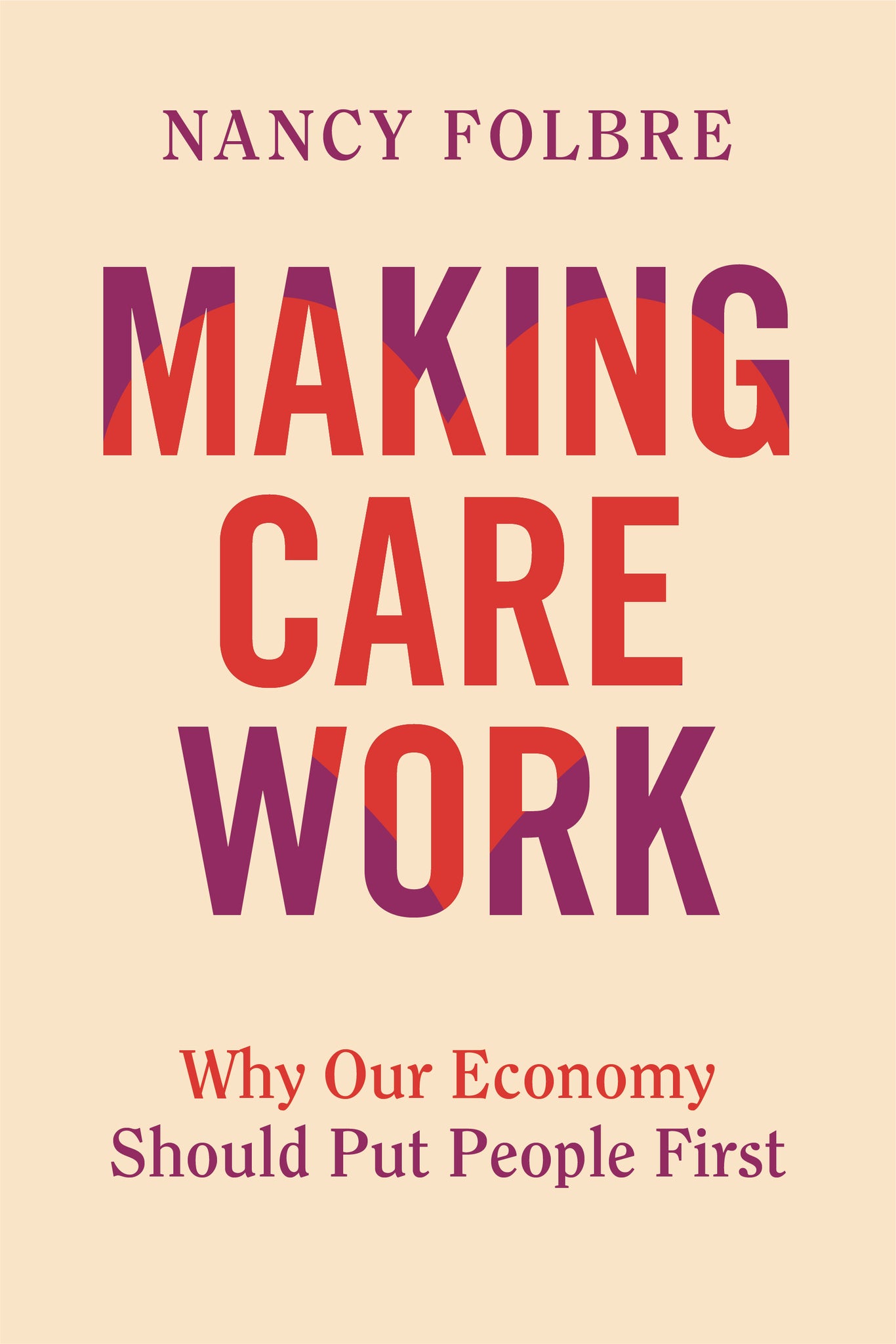
A bold critique of conventional economics that reveals why the time and money we devote to care work is vital to our economic future.
Our economy is much bigger than the dollar value of things we buy and sell. It depends on us—our health, our creativity, and our moral commitments. These capabilities don't have price tags but are crucial to a sustainable future. We need to acknowledge and reward the value of caring for ourselves and others, especially our children, our elderly, and those experiencing illness or disability.
From leading feminist economist Nancy Folbre, Making Care Work provides a compelling historical and economic account of care provision in the United States. Folbre traces the long and colorful history of resistance to bogus claims that only paid work "counts" and that employees in care services are always paid what they deserve. Explaining why care providers remain economically vulnerable today, she argues that more attention to the public benefits of care provision could help build the political coalitions needed to implement policies that put people first.
In this comprehensive and bold book, Folbre upends conventional economic thinking and maps a hopeful path toward a more equitable and sustainable economy.
Our economy is much bigger than the dollar value of things we buy and sell. It depends on us—our health, our creativity, and our moral commitments. These capabilities don't have price tags but are crucial to a sustainable future. We need to acknowledge and reward the value of caring for ourselves and others, especially our children, our elderly, and those experiencing illness or disability.
From leading feminist economist Nancy Folbre, Making Care Work provides a compelling historical and economic account of care provision in the United States. Folbre traces the long and colorful history of resistance to bogus claims that only paid work "counts" and that employees in care services are always paid what they deserve. Explaining why care providers remain economically vulnerable today, she argues that more attention to the public benefits of care provision could help build the political coalitions needed to implement policies that put people first.
In this comprehensive and bold book, Folbre upends conventional economic thinking and maps a hopeful path toward a more equitable and sustainable economy.

Price: $27.95
Pages: 384
Publisher: University of California Press
Imprint: University of California Press
Publication Date:
31 March 2026
Trim Size: 9.00 X 6.00 in
ISBN: 9780520405622
Format: Hardcover
BISACs:
Nancy Folbre is Director of the Program on Gender and Care Work at the Political Economy Research Institute and Professor Emerita of Economics at UMass Amherst. She is the author of many books, including The Invisible Heart: Economics and Family Values.
Contents
List of Illustrations
Introduction: Care Provision: An Achievement?
1. Human Capabilities: More Than Commodities?
2. Defining the Gainful: Who Are "Workers"?
3. Time Use Surveys: What Were You Doing?
4. Domestic Products: What Is Our Output?
5. Living Standards: Who's Better Off?
6. Valuing People: What's Your Life Worth?
7. The Care Diamond: Who Provides?
8. Household and Community Care: Will It Endure?
9. Care Services for Sale: Good Enough?
10. Public Social Spending: Waste or Investment?
Conclusion: Possible Futures?
Acknowledgments
Glossary
Notes
References
Index
List of Illustrations
Introduction: Care Provision: An Achievement?
1. Human Capabilities: More Than Commodities?
2. Defining the Gainful: Who Are "Workers"?
3. Time Use Surveys: What Were You Doing?
4. Domestic Products: What Is Our Output?
5. Living Standards: Who's Better Off?
6. Valuing People: What's Your Life Worth?
7. The Care Diamond: Who Provides?
8. Household and Community Care: Will It Endure?
9. Care Services for Sale: Good Enough?
10. Public Social Spending: Waste or Investment?
Conclusion: Possible Futures?
Acknowledgments
Glossary
Notes
References
Index