


Some error occured while loading the Quick View. Please close the Quick View and try reloading the page.
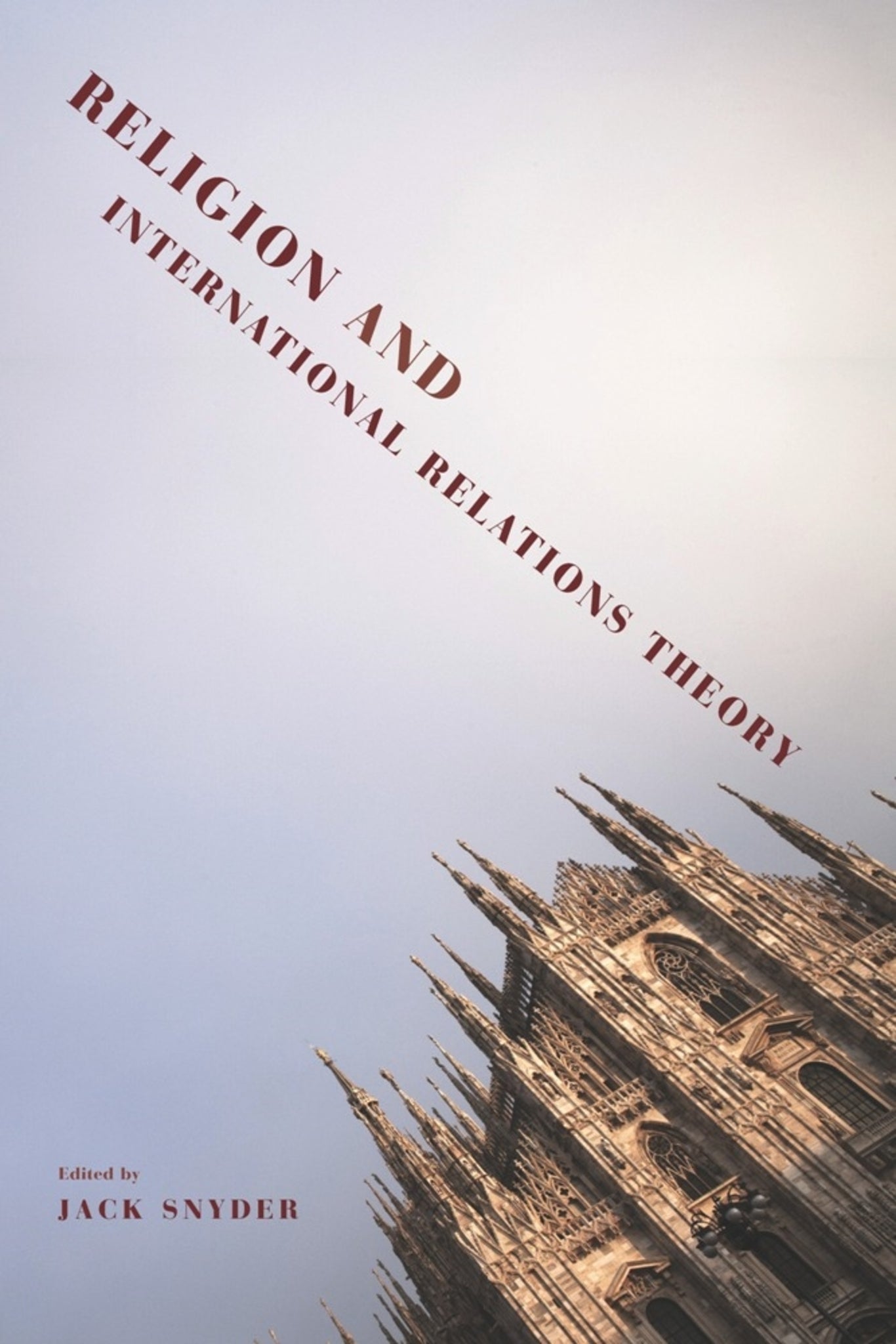
Religious concerns stand at the center of international politics, yet key paradigms in international relations, namely realism, liberalism, and constructivism, barely consider religion in their analysis of political subjects. The essays in this collection rectify this. Authored by leading scholars, they introduce models that integrate religion into the study of international politics and connect religion to a rising form of populist politics in the developing world.
Contributors identify religion as pervasive and distinctive, forcing a reframing of international relations theory that reinterprets traditional paradigms. One essay draws on both realism and constructivism in the examination of religious discourse and transnational networks. Another positions secularism not as the opposite of religion but as a comparable type of worldview drawing on and competing with religious ideas. With the secular state's perceived failure to address popular needs, religion has become a banner for movements that demand a more responsive government. The contributors to this volume recognize this trend and propose structural and theoretical innovations for future advances in the discipline.

1. Introduction, by Jack Snyder
2. The Fall and Rise of Religion in International Relations: History and Theory, by Timothy Samuel Shah and Daniel Philpott
3. Secularism and International Relations Theory, by Elizabeth Shakman Hurd
4. Another Great Awakening? International Relations Theory and Religion, by Michael Barnett
5. Religion, Rationality, and Violence, by Monica Duffy Toft
6. Religion and International Relations: No Leap of Faith Required, by Daniel H. Nexon
7. In the Service of State and Nation: Religion in East Asia, by Il Hyun Cho and Peter J. Katzenstein
8. Conclusion: Religion's Contribution to International Relations Theory, by Emily Cochran Bech and Jack Snyder
List of Contributors
Index