


Some error occured while loading the Quick View. Please close the Quick View and try reloading the page.
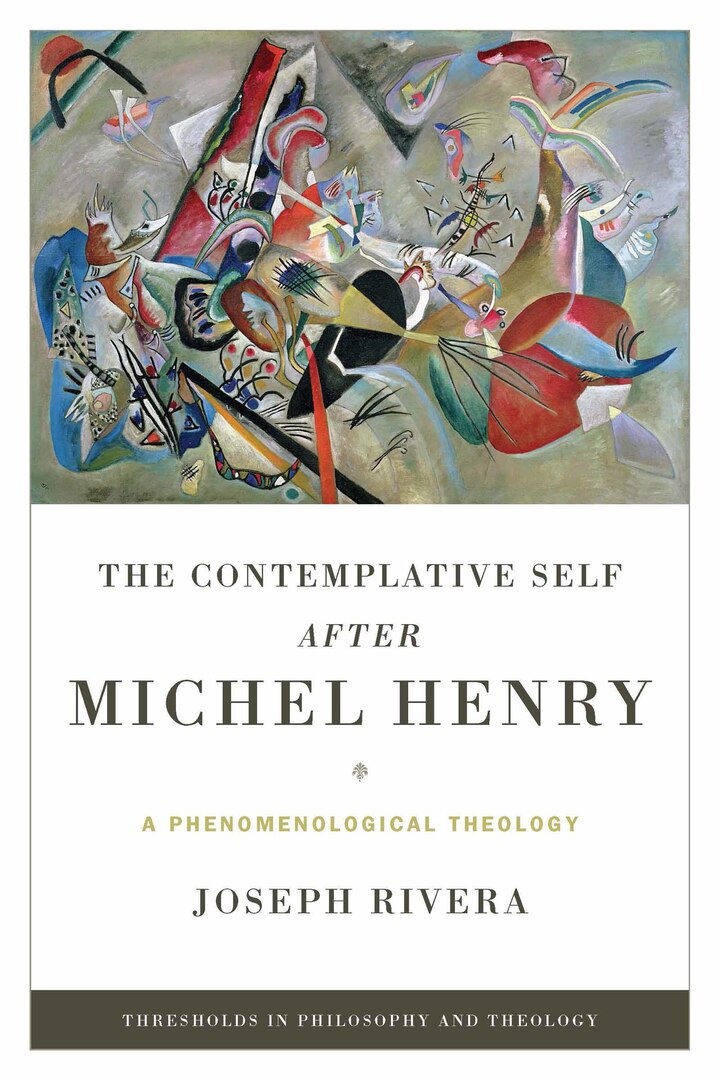
In The Contemplative Self after Michel Henry: A Phenomenological Theology, Joseph Rivera provides a close and critical reconstruction of the philosophical anthropology of Michel Henry (1922–2002) while also addressing the question of how theology contributes to Henry’s phenomenology. In conversation with other French figures such as Derrida, Marion, Lacoste, and Barbaras, Rivera undertakes a global thematic study of Henry’s work. He shows how, for Henry, the theological debate is shifted onto a phenomenological problem, with a coincident will to pursue the epistemological efforts of Husserl and Heidegger.
The chapters tackle some of the most pressing debates in contemporary Continental philosophy, such as the “modern ego,” the nature and experience of temporality, and the constitution of the body and otherness, and how a theological discourse may illumine those anthropological structures. The book expands on the modern narrative of the self from Descartes to Nietzsche, opens up the particular lines of inquiry Henry advances in dialogue with those figures and phenomenology in particular, and highlights the surprising theological turns in Henry’s late work on Christianity.
Because Henry’s work is difficult, it is often misunderstood; Rivera’s own vision of the self, one that is shaped by Henry but not in full agreement with him, advances insights internal to Henry but also brings into sharp focus many problematic points in Henry’s phenomenological theology. An array of classical theological voices appear in the final chapters, such as St. Augustine, Tertullian, Irenaeus, Pseudo-Dionysius, and Gregory of Nyssa, all of whom are set in dialogue with Henry. A fresh and creative articulation of contemplation and selfhood, the volume is a valuable addition to the continuing conversation that seeks to build bridges between phenomenology and theology.

“This is the first book of a young scholar who promises to be a major voice in the contemporary constructive theological conversations within the broad catholic tradition. . . . In short, here is an utterly intriguing prolegomenon to a further systematic theology that, within the tradition of phenomenology, will stand alongside the work of Marion and Lacoste as perhaps the most serious recovery of a generous catholic theology of our time.” —Literature & Theology
Joseph Rivera is lecturer in systematic theology at Mater Dei Institute, Dublin City University.
Acknowledgments
List of Abbreviations
Introduction: With an Unveiled Face
Part 1. Preliminary Considerations
1. The Self in Modernity, Phenomenology, and Theology
- Autonomy: The Long Shadow of Cartesianism
- Décadence or the Nietzschean Subject
- What Is Phenomenology?
- Phenomenology and Theology
- Self and God: A Typology
2. Visible Display: The Basic Problem of Phenomenology
- Nihilism as Visible Display
- Husserl and Intentionality
- Heidegger and Being-in-the-World
- The Duplicity of Display
- The Living Present
- The Fertility of Life
Part 2. The Duplicitous Self in Henry
3. The Duplicitous Self
- The Steadfast Antimony: Self vs. World
- Generation
- Transcendental Form
- Radical Reduction
- Radical Interiority and the Theological Turn
- Abandonment of the Created Imago Dei
- Monism
4. Incarnation, Flesh, and Body
- Concrete Existence
- I Am My Body: Feeling My Movement
- Radicalizing Husserl’s Leib
- Flesh without Body?
- Paroles du Christ
- Accessing My Soul
Part 3. Toward the Contemplative Self
5. Contemplating Eternity
- Phenomenology and Contemplation
- Henry’s Problematic Reading of Augustine
- Self as Imago Dei
- The Temporal and the Eternal
- Verbum Intimum and the Absence of the Present
- Being-in-the-World and Epektasis
- A Contemplative Intentionality: Time and Eucharist
6. The Unity and Destiny of the Mystical Body
- The Phenomenon of the Body
- The Mystical Body of Christ in Henry
- The Mystical Body
- Participation in the Resurrectio Carnis
- The Social and Sacramental Body of Christ
- Seeing God
Conclusion: Unveiled in Christ
Notes
Bibliography
Index