


Some error occured while loading the Quick View. Please close the Quick View and try reloading the page.
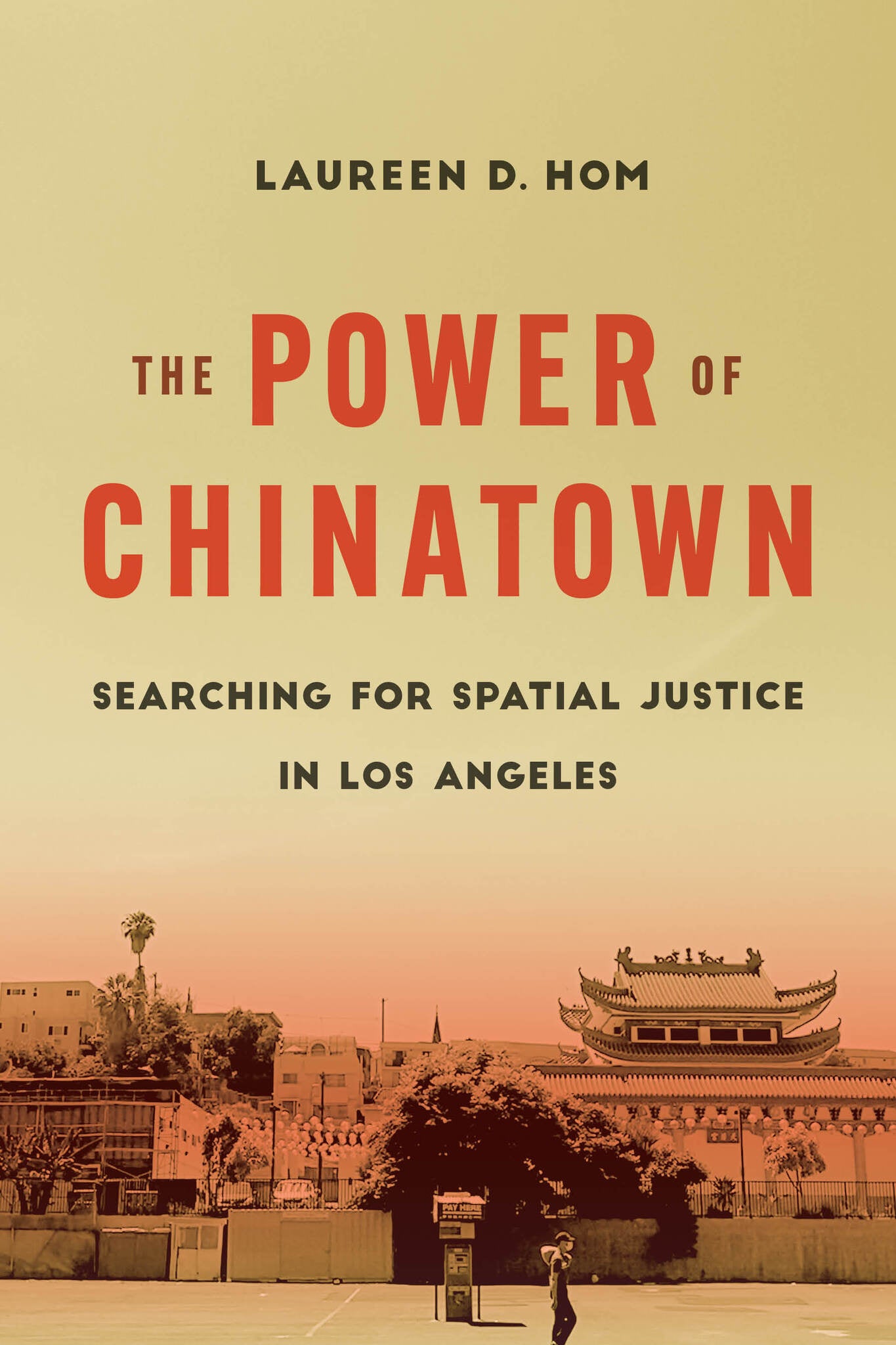
Urban Chinatowns are dynamic, contested spaces that have persevered amid changes in the American cityscape. These neighborhoods are significant for many, from the residents and workers who rely on them for their livelihoods to the broader Chinese American community and political leaders who recognize their cultural heritage and economic value. In The Power of Chinatown, Laureen D. Hom provides a critical examination of the politics shaping the trajectory of development in Los Angeles Chinatown, one of the oldest urban Chinatowns in the United States.
Working from ethnographic fieldwork, Hom chronicles how Chinese Americans continue to gravitate to this space—despite being a geographically dispersed community—and how they have both resisted and encouraged processes of gentrification and displacement. The Power of Chinatown bridges understandings of community, geography, political economy, and race to show the complexities and contradictions of building community power, illuminating how these place-based ethnic politics might give rise to a more expansive vision of Asian American belonging and a just city for all.
Working from ethnographic fieldwork, Hom chronicles how Chinese Americans continue to gravitate to this space—despite being a geographically dispersed community—and how they have both resisted and encouraged processes of gentrification and displacement. The Power of Chinatown bridges understandings of community, geography, political economy, and race to show the complexities and contradictions of building community power, illuminating how these place-based ethnic politics might give rise to a more expansive vision of Asian American belonging and a just city for all.

Price: $29.95
Pages: 300
Publisher: University of California Press
Imprint: University of California Press
Publication Date:
18 June 2024
Trim Size: 9.00 X 6.00 in
ISBN: 9780520391222
Format: Paperback
BISACs:
"The Power of Chinatown lucidly examines why historic urban Chinatowns still matter: Place-based racial politics are continuously reshaping the physical neighborhood environments, amid gentrification and forced displacement. Hom effectively argues that Chinatowns simultaneously persist and change; they are static sites with radical potential for equitable development, if the myriad Chinese and Asian American stakeholders across generations, socioeconomic status and immigration cohorts commit to a vision of spatial justice that foregrounds histories of resistance and collective power."
Laureen D. Hom is an associate professor of urban and regional planning at San José State University. She is an interdisciplinary scholar whose work is at the intersection of urban studies, ethnic studies, public policy, and public administration.
Contents
List of Illustrations
Preface and Acknowledgments
List of Abbreviations
Introduction: Why Chinatown Still Matters
1 • The Making and Remaking of Chinatown
2 • Doing the Work in the Community
3 • The Limits of Legitimizing Community Control
4 • Aspirations for a Balanced and Diverse Community
5 • Sustaining an Ethnic Culture of Place
Conclusion: Envisioning Possibilities for Chinatown
Appendix: Additional Information about the Interviews
Notes
References
Index
List of Illustrations
Preface and Acknowledgments
List of Abbreviations
Introduction: Why Chinatown Still Matters
1 • The Making and Remaking of Chinatown
2 • Doing the Work in the Community
3 • The Limits of Legitimizing Community Control
4 • Aspirations for a Balanced and Diverse Community
5 • Sustaining an Ethnic Culture of Place
Conclusion: Envisioning Possibilities for Chinatown
Appendix: Additional Information about the Interviews
Notes
References
Index