


Some error occured while loading the Quick View. Please close the Quick View and try reloading the page.
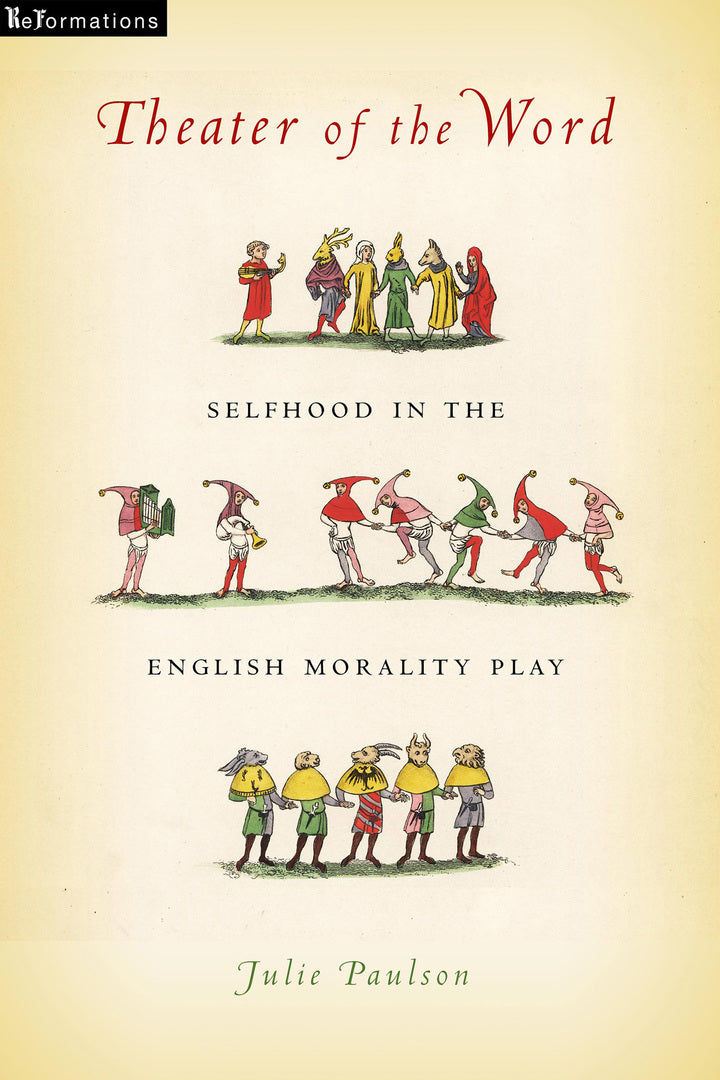
In Theater of the Word: Selfhood in the English Morality Play, Julie Paulson sheds new light on medieval constructions of the self as they emerge from within a deeply sacramental culture. The book examines the medieval morality play, a genre that explicitly addresses the question of what it means to be human and takes up the ritual traditions of confession and penance, long associated with medieval interiority, as its primary subjects.
The morality play is allegorical drama, a “theater of the word," that follows a penitential progression in which an everyman figure falls into sin and is eventually redeemed through penitential ritual. Written during an era of reform when the ritual life of the medieval Church was under scrutiny, the morality plays as a whole insist upon a self that is first and foremost performed—constructed, articulated, and known through ritual and other communal performances that were interwoven into the fabric of medieval life.
This fascinating look at the genre of the morality play will be of keen interest to scholars of medieval drama and to those interested in late medieval culture, sacramentalism, penance and confession, the history of the self, and theater and performance.

“Paulson views the English morality play and a selection of related Reformation dramas through the lens of Wittgenstein’s philosophy of language as verbally and publicly performed constitutions of selfhood. . . . The analysis that follows illustrates this new approach to morality plays and related drama.” —Choice
Julie Paulson is professor of English at San Francisco State University.
Introduction
1. The Castle of Perseverance and Penitential Platea
2. A Theater of the Soul’s Interior: Contemplative Literature and Penitential Education in Wisdom
3. Speaking for Mankind Everyman and Community
4. A New Theater of the Word: The Morality Play and the English Reformation
Conclusion: Morality Drama Inside Out
Works Cited