


Some error occured while loading the Quick View. Please close the Quick View and try reloading the page.
Winner, 2026 Joseph Levenson Prize (China, pre-1900), Association for Asian Studies
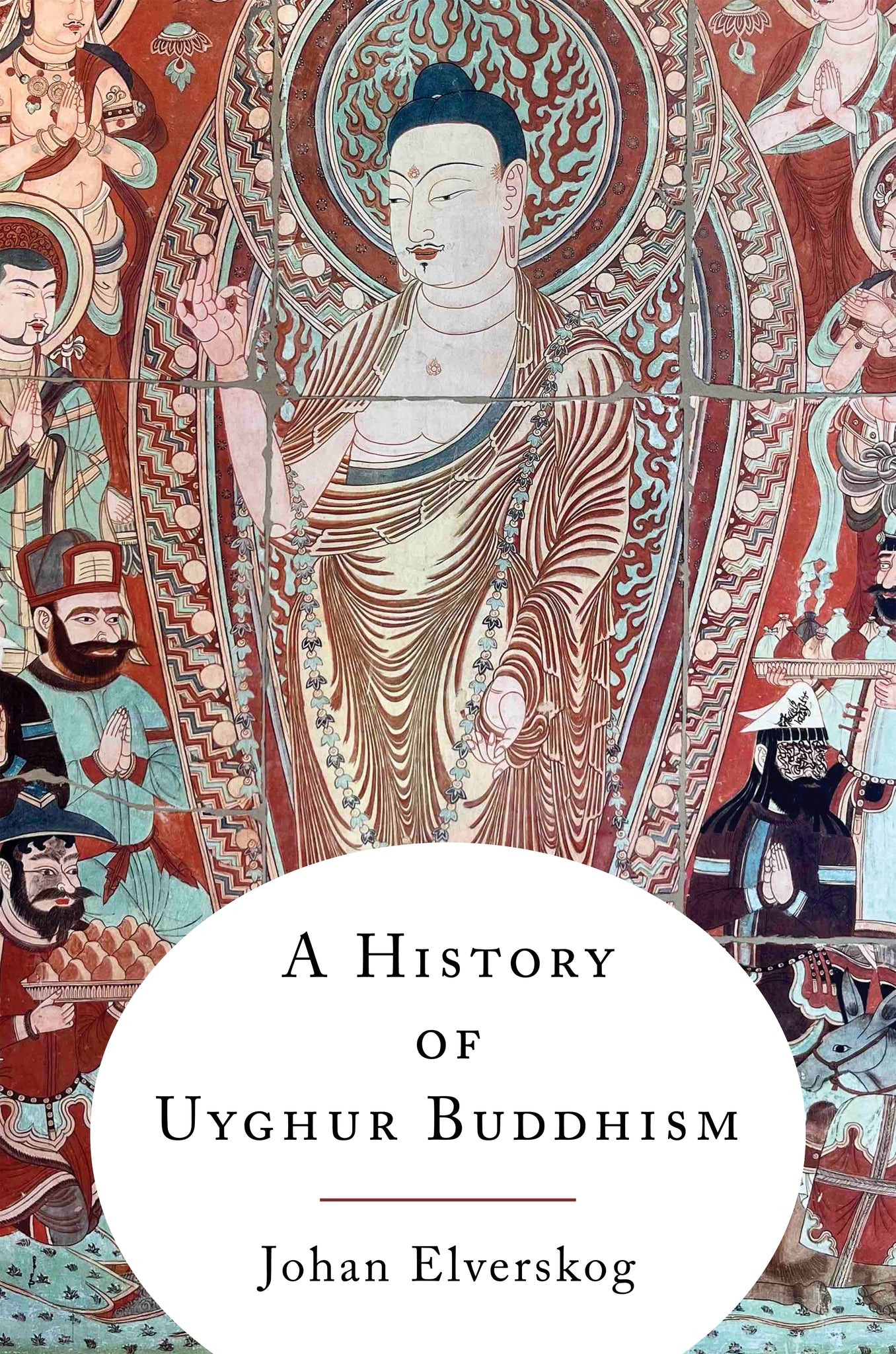
Today, most Uyghurs are Muslims. For centuries, however, Uyghurs were Buddhists. By around 1000 CE, they, like many of their neighbors, had decisively turned toward the Dharma, and a golden age of Uyghur Buddhism flourished under the Mongol empire. Dwelling along the Silk Road in what is now northwestern China, they stood at the center of Buddhist Eurasia, linking far-flung regions and traditions. But as Muslim power grew, Uyghur Buddhists converted to Islam, rewriting their past and erasing their Buddhist history.
This book presents the first comprehensive history of Buddhism among the Uyghurs from the ninth to the seventeenth century. Johan Elverskog traces how the Uyghurs forged their distinctive tradition, considering a variety of social, political, cultural, and religious contexts. He argues that the religious history of the Uyghurs challenges conventional narratives of the meeting of Buddhism and Islam, showing that conversion took place gradually and was driven by factors such as geopolitics, climate change, and technological innovation. Elverskog also provides a nuanced understanding of lived Buddhism, focusing on ritual practices and materiality as well as the religion’s entanglements with economics, politics, and violence. A groundbreaking history of Uyghur Buddhism, this book makes a compelling case for the importance of the Uyghurs in shaping the course of both Buddhist and Asian history.

List of Illustrations
Acknowledgments
Introduction
1. Becoming Buddhist
2. Buddhist Politics
3. Buddhist Economics
4. Uyghur Buddhisms
5. Becoming Muslim
Conclusion
Notes
Bibliography
Index