


Some error occured while loading the Quick View. Please close the Quick View and try reloading the page.
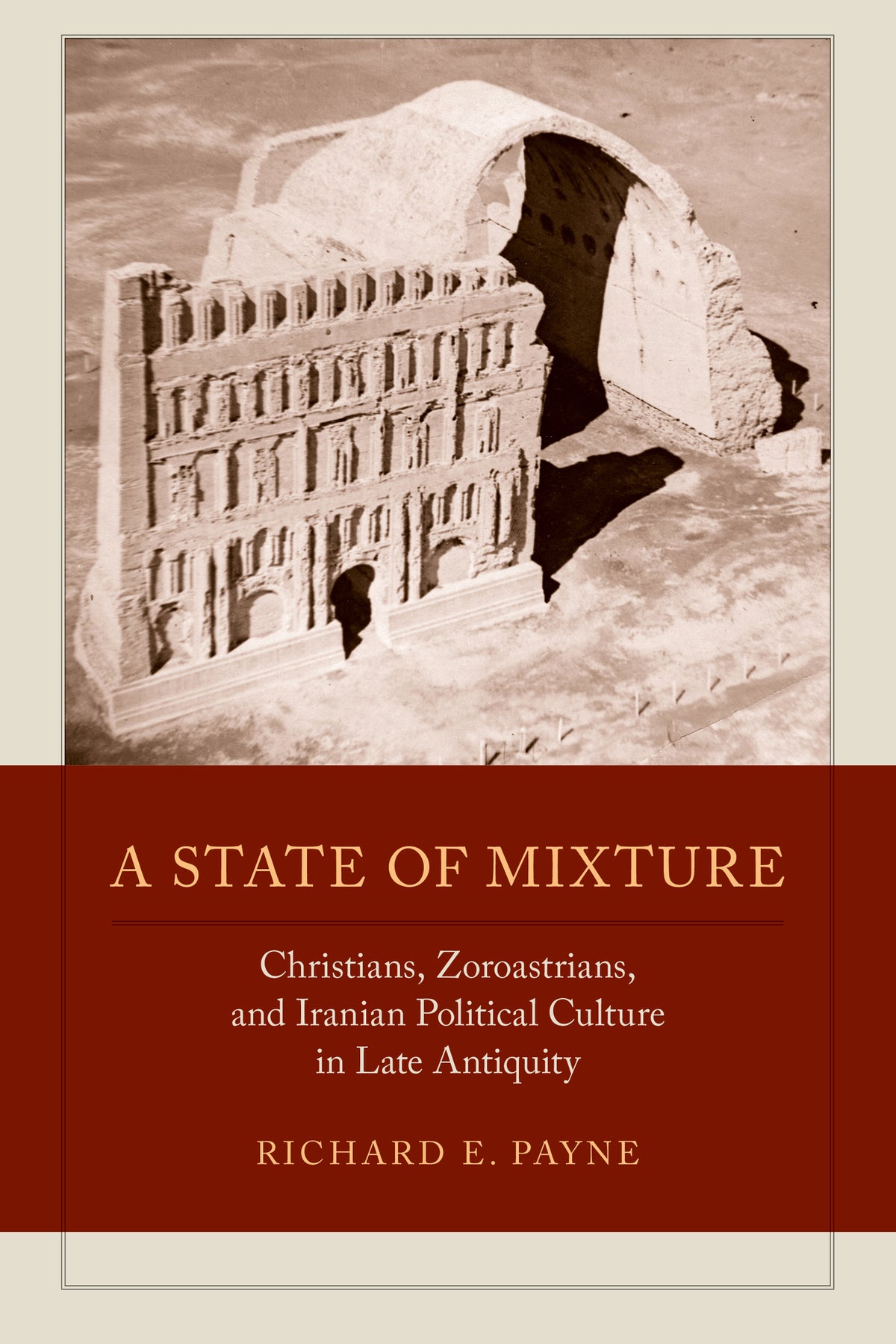
Christian communities flourished during late antiquity in a Zoroastrian political system, known as the Iranian Empire, that integrated culturally and geographically disparate territories from Arabia to Afghanistan into its institutions and networks. Whereas previous studies have regarded Christians as marginal, insular, and often persecuted participants in this empire, Richard Payne demonstrates their integration into elite networks, adoption of Iranian political practices and imaginaries, and participation in imperial institutions.
The rise of Christianity in Iran depended on the Zoroastrian theory and practice of hierarchical, differentiated inclusion, according to which Christians, Jews, and others occupied legitimate places in Iranian political culture in positions subordinate to the imperial religion. Christians, for their part, positioned themselves in a political culture not of their own making, with recourse to their own ideological and institutional resources, ranging from the writing of saints’ lives to the judicial arbitration of bishops. In placing the social history of East Syrian Christians at the center of the Iranian imperial story, A State of Mixture helps explain the endurance of a culturally diverse empire across four centuries.
The rise of Christianity in Iran depended on the Zoroastrian theory and practice of hierarchical, differentiated inclusion, according to which Christians, Jews, and others occupied legitimate places in Iranian political culture in positions subordinate to the imperial religion. Christians, for their part, positioned themselves in a political culture not of their own making, with recourse to their own ideological and institutional resources, ranging from the writing of saints’ lives to the judicial arbitration of bishops. In placing the social history of East Syrian Christians at the center of the Iranian imperial story, A State of Mixture helps explain the endurance of a culturally diverse empire across four centuries.

Price: $34.95
Pages: 320
Publisher: University of California Press
Imprint: University of California Press
Series: Transformation of the Classical Heritage
Publication Date:
01 September 2015
Trim Size: 9.00 X 6.00 in
ISBN: 9780520292451
Format: Paperback
BISACs:
"An expertly conceived and beautifully written counterpoint to earlier studies of Christian history in the Sasanian Empire... In his meticulous reading of East Syriac sources and the Middle Persian literatures and histories that underlie them, Payne has substantially contributed to a new body of scholarly studies that is quickly revising our understanding of the place of Christianity in the Sasanian period."
Richard E. Payne is Neubauer Family Assistant Professor of Ancient Near Eastern History at the University of Chicago.
A Note on Names, Translations, and Transliterations
Acknowledgments
Introduction
1. The Myth of Zoroastrian Intolerance: Violence and the Terms of Christian Inclusion
2. Belonging to a Land: Christians and Zoroastrians in the Iranian Highlands
3. Christian Law Making and Iranian Political Practice: The Reforms of Mar Aba
4. Creating a Christian Aristocracy: Hagiography and Empire in Northern Mesopotamia
5. The Christian Symbolics of Power in a Zoroastrian Empire
Conclusion
Notes
Bibliography
Index
Acknowledgments
Introduction
1. The Myth of Zoroastrian Intolerance: Violence and the Terms of Christian Inclusion
2. Belonging to a Land: Christians and Zoroastrians in the Iranian Highlands
3. Christian Law Making and Iranian Political Practice: The Reforms of Mar Aba
4. Creating a Christian Aristocracy: Hagiography and Empire in Northern Mesopotamia
5. The Christian Symbolics of Power in a Zoroastrian Empire
Conclusion
Notes
Bibliography
Index