


Some error occured while loading the Quick View. Please close the Quick View and try reloading the page.
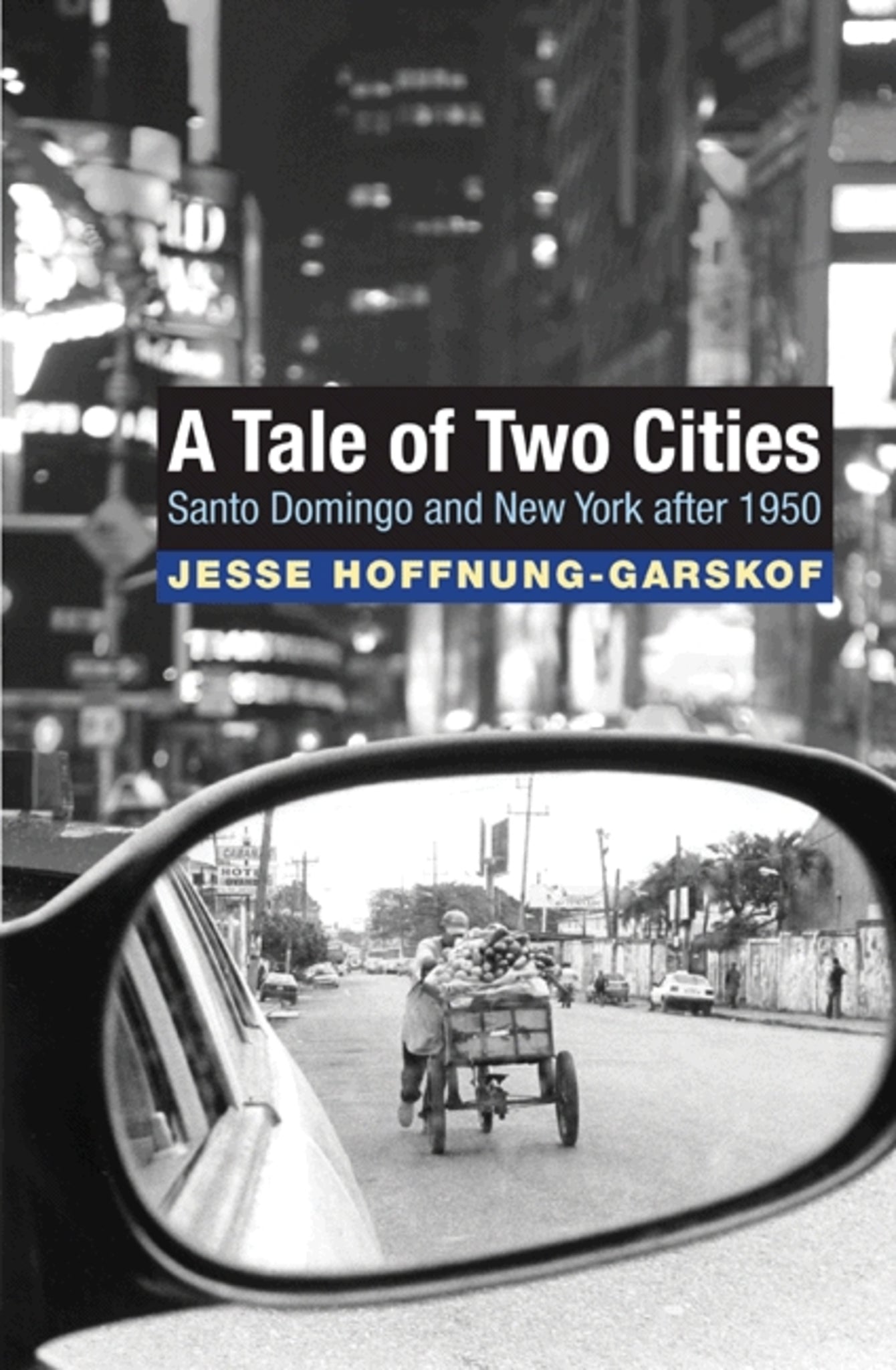
In the second half of the twentieth century Dominicans became New York City's largest, and poorest, new immigrant group. They toiled in garment factories and small groceries, and as taxi drivers, janitors, hospital workers, and nannies. By 1990, one of every ten Dominicans lived in New York. A Tale of Two Cities tells the fascinating story of this emblematic migration from Latin America to the United States. Jesse Hoffnung-Garskof chronicles not only how New York itself was forever transformed by Dominican settlement but also how Dominicans' lives in New York profoundly affected life in the Dominican Republic.
A Tale of Two Cities is unique in offering a simultaneous, richly detailed social and cultural history of two cities bound intimately by migration. It explores how the history of burgeoning shantytowns in Santo Domingo--the capital of a rural country that had endured a century of intense U.S. intervention and was in the throes of a fitful modernization--evolved in an uneven dialogue with the culture and politics of New York's Dominican ethnic enclaves, and vice versa. In doing so it offers a new window on the lopsided history of U.S.-Latin American relations. What emerges is a unique fusion of Caribbean, Latin American, and U.S. history that very much reflects the complex global world we live in today.
