


Some error occured while loading the Quick View. Please close the Quick View and try reloading the page.
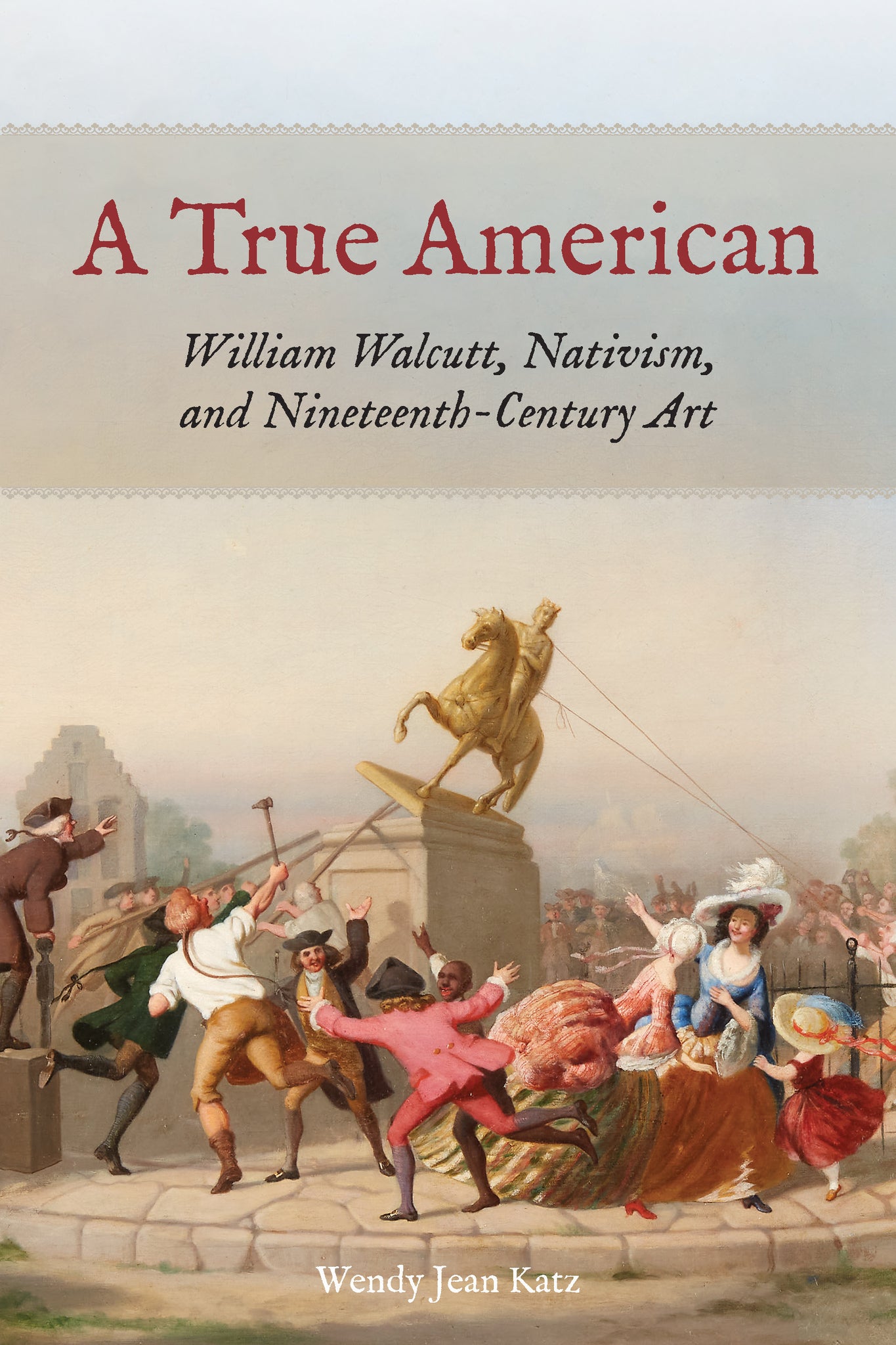
This book argues that nativism, the hostility especially to Catholic immigrants that led to the organization of political parties like the Know-Nothings, affected the meaning of nineteenthcentury American art in ways that have gone unrecognized. In an era of industrialization, nativism’s erection of barriers to immigration appealed to artisans, a category that included most male artists at some stage in their careers. But as importantly, its patriotic message about the nature of the American republic also overlapped with widely shared convictions about the necessity of democratic reform. Movements directed toward improving the human condition, including anti-slavery and temperance, often consigned Catholicism, along with monarchies and slavery, to a repressive past, not the republican American future. To demonstrate the impact of this political effort by humanitarian reformers and nativists to define a Protestant character for the country, this book tracks the work and practice of artist William Walcutt. Though he is little known today, in his own time his efforts as a painter, illustrator and sculptor were acclaimed as masterly, and his art is worth reconsidering in its own right. But this book examines him as a case study of an artist whose economic and personal ties to artisanal print culture and cultural nationalists ensured that he was surrounded by and contributed to anti-Catholic publications and organizations. Walcutt was not anti immigrant himself, nor a member of a nativist party, but his kin, friends, and patrons publicly expressed warnings about Catholic and foreign political influence. And that has implications for better-known nineteenth-century historical and narrative art. Precisely because Walcutt’s profile and milieu were so typical for artists in this period, this book is able to demonstrate how central this supposedly fringe movement was to viewers and makers of American art.

Price: $33.00
Pages: 176
Publisher: Fordham University Press
Imprint: Fordham University Press
Publication Date:
01 February 2022
Trim Size: 9.00 X 6.00 in
ISBN: 9780823298570
Format: Paperback
Arriving in New York City from small-town Ohio in 1847, William Walcutt produced prints, paintings and public sculptures that Wendy Katz argues were supported by circles hostile to “foreign” influences. Skillfully examining the output of this little-known figure against a society divided by slavery, immigration and religion, she makes a case for a “nativist iconography” pervading the broad swarth of his output: from periodical illustrations to his Commodore Oliver Hazard Perry Monument (Cleveland). Uniting artisan culture with elite patronage, Walcutt’s career provides Katz with an ideal lens for her fresh, insightful and timely study of antebellum American art.---Katherine Manthorne, Professor of Modern Art of the Americas, Graduate Center, City University of New York
Wendy Katz is Professor of Art History at the University of Nebraska–Lincoln. The most recent of her books are Humbug! The Politics of Art Criticism in New York City’s Penny Press (Fordham University Press) and The Trans Mississippi and International Exposition of 1898: Art, Anthropology, and Popular Culture at the Fin de Siècle.