


Some error occured while loading the Quick View. Please close the Quick View and try reloading the page.
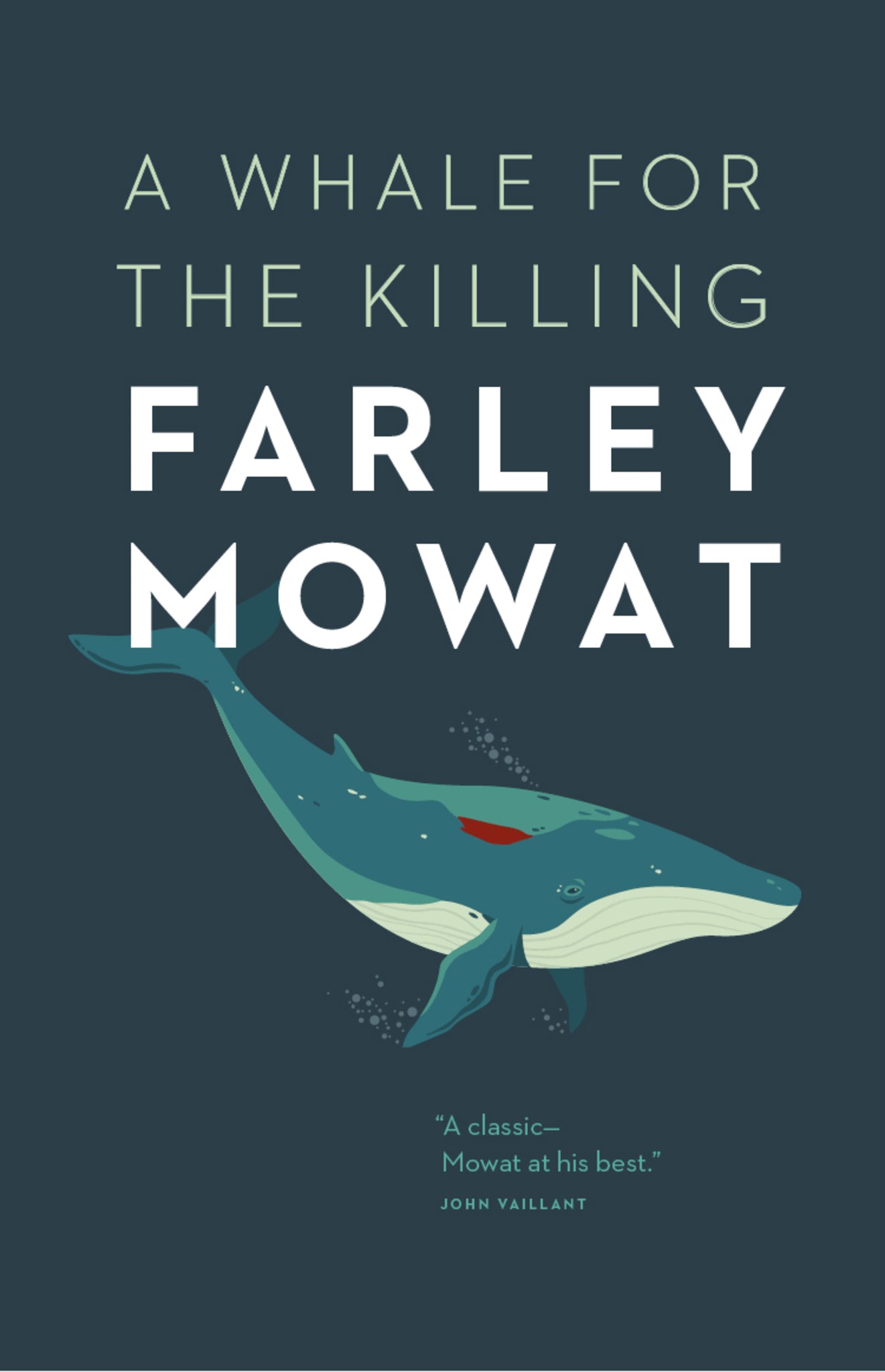
In 1967, acclaimed author and environmental advocate Farley Mowat witnessed an event that would become one of the most influential wildlife stories of the twentieth century. When an 80-ton fin whale became trapped in a lagoon near his home in Newfoundland, Mowat saw a rare opportunity to observe one of the ocean's most impressive mammals up close. But while he watched with wonder, others saw only a target.
Over weeks of needless brutality, the helpless whale was riddled with rifle fire and scarred by motorboat propellers. Mowat appealed desperately to local authorities, marine scientists, and the national media, hoping to save the animal before it was too late. His efforts failed, and the whale ultimately died from its wounds. What emerged from the tragedy was this unforgettable account—a searing indictment of human cruelty and indifference, and a passionate plea for compassion toward the natural world.
One of North America’s most celebrated writers, Farley Mowat introduced generations of readers to the wonders and fragility of wildlife through beloved classics such as Never Cry Wolf. In A Whale for the Killing, he turned his attention to the growing crisis facing marine mammals, producing a work that helped shift public attitudes toward whales and contributed to the rise of the modern conservation movement.
Part true wildlife story, part environmental call to action, and part timeless meditation on humanity's relationship with nature, A Whale for the Killing remains as urgent and relevant today as when it was first published. This cornerstone of environmental literature stands as both a memorial to a beautiful creature and a powerful reminder of our responsibility to protect the living world.

“The story is simply and movingly told, Mowat also filling in the wider details of internationally condoned extermination (for pet food and cosmetics) of "one of the most highly perfected forms of life ever to dwell upon this planet." A small but haunting episode in the annals of a dying breed.” —Kirkus