


Some error occured while loading the Quick View. Please close the Quick View and try reloading the page.
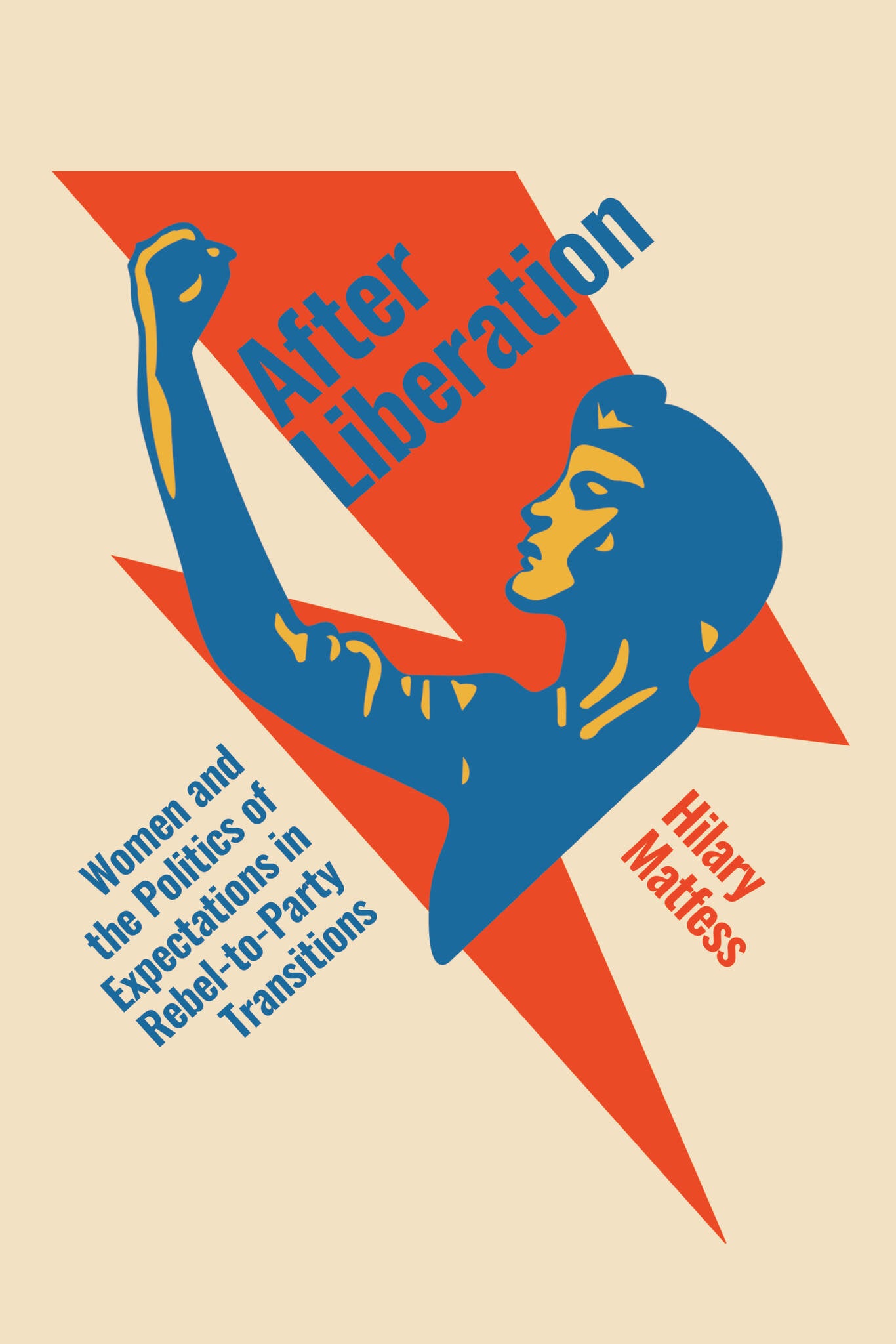
War offers opportunities for women to liberate their communities and build a better life for themselves. When women join rebel groups, they often take on new roles, cultivate new social networks, and develop new skills. These rebel women often gain the respect of rebel leaders, their comrades-in-arms, and the communities they're fighting for. When the guns are silenced, however, women have struggled to maintain the progress and prestige that they gained during war. Hilary Matfess investigates the gendered legacies of conflict and considers why it is so difficult for female veterans to defend the gains they made during war.
This book explores how both individual female veterans and former-rebel political parties balance the incentives to continue their wartime activities or moderate them to succeed in the postwar period. The particular balance struck—by party elites and by female veterans—shapes women's rights and representation after war. Drawing on cross-national statistics and in-depth qualitative case studies of rebel groups—from Ethiopia, Namibia, El Salvador, and Nepal—Matfess advances a theory to explain the postwar legacies of women's participation in rebellion at both the individual and the organizational levels. This book helps us understand why women that were once lauded as the backbone of the revolution are so frequently relegated to the backburner after war.

Introduction
1. Linking Women's Wartime Contributions to Former-Rebel Parties' Positions on Women's Rights and Representation
2. Looking for Continuity and Moderation in Cross-National Perspective
3. A Background to the TPLF
4. The Ones Who Rebelled at Heart: Women in the TPLF
5. Sweet but Not Sticky: Women and the TPLF's Rebel-to-Party Transition
6. SWAPO Women: Everything According to PLAN
7. Women's Ambition Meets "Ambivalent Moderation": The Experience of the FMLN
8. Feminism and Fragmentation: The CPN-M's Transition from Party to Rebel and Back Again
Conclusions and Next Steps
Appendix A: Women's Activities in Armed Rebellion Variables
Appendix B: Former-Rebel Parties and Wartime Characteristics
Notes
References
Index