Skip to product information
1 of 1

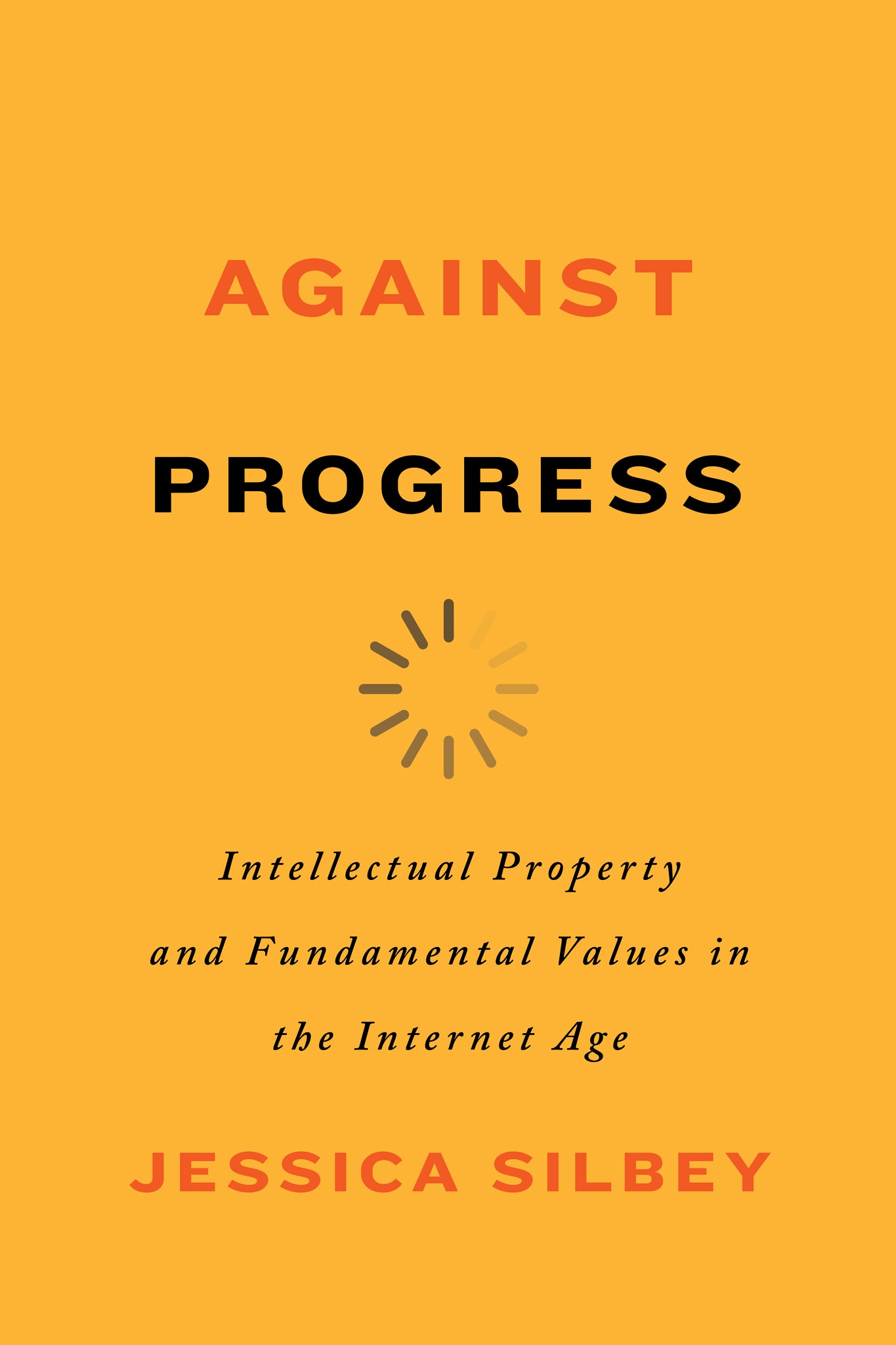
Against Progress

Regular price $30.00
Sale price $30.00 Regular price $30.00
Sale Sold out
When first written into the Constitution, intellectual property aimed to facilitate "progress of science and the useful arts" by granting rights to authors and inventors. Today, when rapid technolo...
Read More
  • Format:
  • 07 June 2022
View Product Details

When first written into the Constitution, intellectual property aimed to facilitate "progress of science and the useful arts" by granting rights to authors and inventors. Today, when rapid technological evolution accompanies growing wealth inequality and political and social divisiveness, the constitutional goal of "progress" may pertain to more basic, human values, redirecting IP's emphasis to the commonweal instead of private interests. Against Progress considers contemporary debates about intellectual property law as concerning the relationship between the constitutional mandate of progress and fundamental values, such as equality, privacy, and distributive justice, that are increasingly challenged in today's internet age. Following a legal analysis of various intellectual property court cases, Jessica Silbey examines the experiences of everyday creators and innovators navigating ownership, sharing, and sustainability within the internet eco-system and current IP laws. Crucially, the book encourages refiguring the substance of "progress" and the function of intellectual property in terms that demonstrate the urgency of art and science to social justice today.

files/i.png Icon
Price: $30.00
Pages: 448
Publisher: Stanford University Press
Imprint: Stanford University Press
Publication Date: 07 June 2022
Trim Size: 9.00 X 6.00 in
ISBN: 9781503631915
Format: Paperback
BISACs:

"Against Progress is a satisfying, witty, and altogether magnificent provocation about the ethical limits of owning ideas. What happens when 'the road to progress' (which patent, intellectual property, and trademark laws are supposed to sustain) becomes littered with privatized toll booths and heavy fines? What happens when the right to profit from one's creativity hardens into an extractive vise so overreaching that it stifles broad economies of knowledge production? Most importantly, what happens when the internet's pyrrhic gift of viral reproductibility enables vast abuses of power, outright theft, and the widespread impoverishment of musicians, artists, writers, inventors? Jessica Silbey's brilliant book reanimates the values and virtues that once informed this legal arena: fairness, honesty, civic empathy, restraint, and the world-building sociality of shared creative enterprise."—Patricia J. Williams, Northeastern University
Jessica Silbey is Professor of Law at the Boston University School of Law. She is the author of The Eureka Myth: Creators, Innovators, and Everyday Intellectual Property (Stanford, 2015), and was a Guggenheim Fellow in 2018.
Introduction: Is Progress More?
1. Everyone's a Photographer Now: The Case of Digital Photography
2. Equality
3. Privacy
4. Distributive Justice (or "Fairer Uses")
5. Precarity and Institutional Failures
Conclusion