


Some error occured while loading the Quick View. Please close the Quick View and try reloading the page.
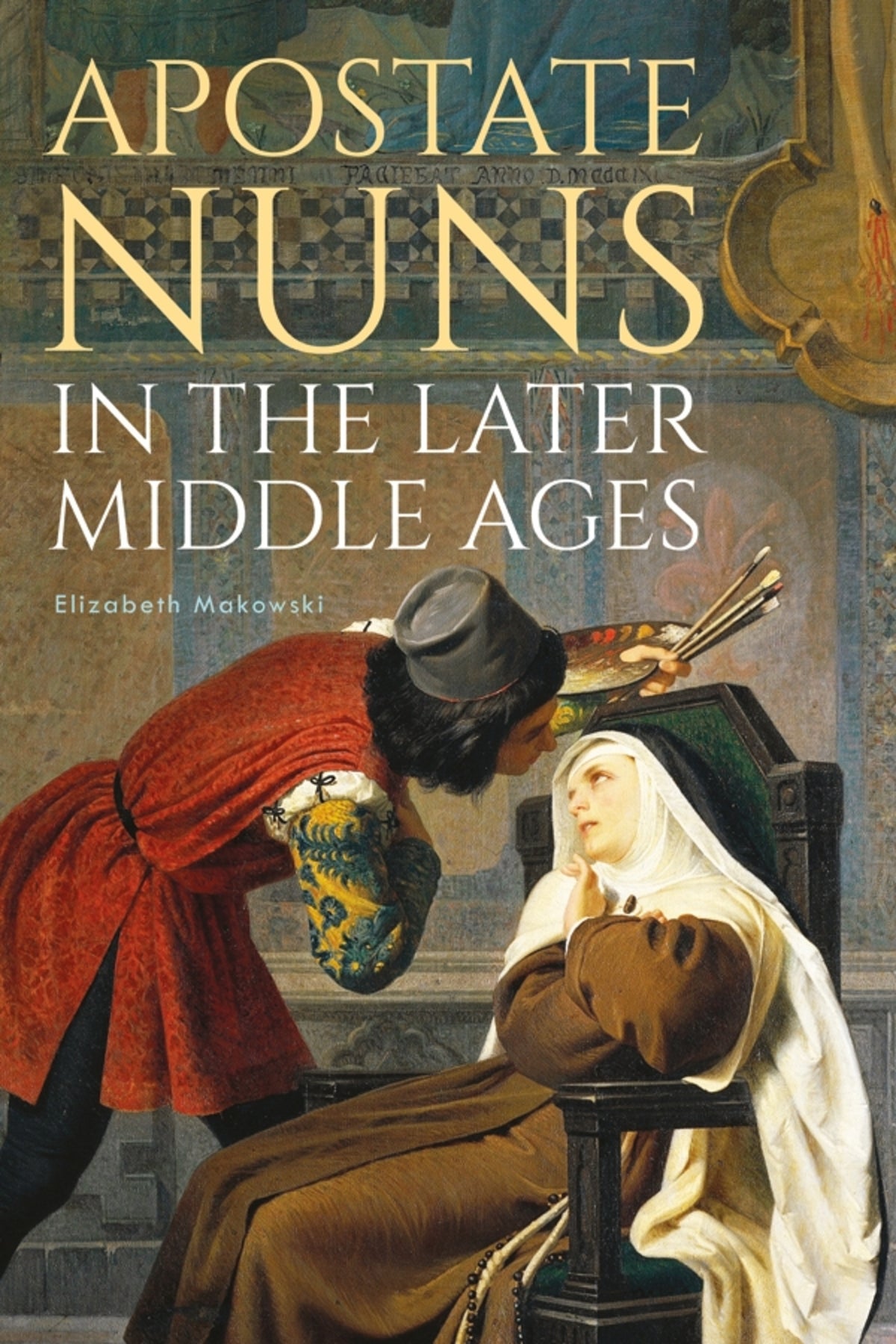
A study of women who left their nunneries: their motives and actions, and the consequences for them.
To make a vow is a matter of the will, to fulfill one is a matter of necessity, declared late medieval canon law, and religious profession involved the most solemn of those vows. Professed nuns could never renege on their vows and if they did attempt to re-enter secular society, they became apostates. Automatically excommunicated, they could be forcibly returned to their monasteries where, should they remain unrepentant, penalties, including imprisonment, might be imposed. And although the law imposed uniform censures on male and female apostates, the norms regarding the proper sphere of activity for women within the Church would prohibit disaffected nuns from availing themselves of options short of apostasy that were readily available to monks similarly unhappy with the choices that they had made.
This book is the first to address the practical and legal problems facing women religious, both in England and in Europe, who chose to reject the terms of their profession as nuns. The women featured in these pages acted, and were acted upon, by the law: the volume shows alleged apostates petitioning for redress and actual apostates seeking to extricate themselves, via self-help and litigation, from the moral and legal consequences of their behaviour.
ELIZABETH MAKOWSKI is Emerita Professor of History at Texas State University, San Marcos.
To make a vow is a matter of the will, to fulfill one is a matter of necessity, declared late medieval canon law, and religious profession involved the most solemn of those vows. Professed nuns could never renege on their vows and if they did attempt to re-enter secular society, they became apostates. Automatically excommunicated, they could be forcibly returned to their monasteries where, should they remain unrepentant, penalties, including imprisonment, might be imposed. And although the law imposed uniform censures on male and female apostates, the norms regarding the proper sphere of activity for women within the Church would prohibit disaffected nuns from availing themselves of options short of apostasy that were readily available to monks similarly unhappy with the choices that they had made.
This book is the first to address the practical and legal problems facing women religious, both in England and in Europe, who chose to reject the terms of their profession as nuns. The women featured in these pages acted, and were acted upon, by the law: the volume shows alleged apostates petitioning for redress and actual apostates seeking to extricate themselves, via self-help and litigation, from the moral and legal consequences of their behaviour.
ELIZABETH MAKOWSKI is Emerita Professor of History at Texas State University, San Marcos.

Price: $130.00
Pages: 244
Publisher: Boydell & Brewer Inc.
Imprint: Boydell Press
Publication Date:
16 August 2019
Trim Size: 8.50 X 5.43 in
ISBN: 9781783274260
Format: Hardcover
The book is a lively portrayal of the complexities of life and vocation for late medieval religious women. [...] the book deserves a wide readership among those interested in female monasticism, medieval religiosity, and women's history more generally.
— SIXTEENTH CENTURY JOURNAL
— SIXTEENTH CENTURY JOURNAL
Introduction
Spiritual Ideal and Legal Realities
Force and Fear
Land, Lust, and Love
Diversions and Disasters
Penitents and Penalties
Recidivists and Renegades
Conclusion
Bibliography
Spiritual Ideal and Legal Realities
Force and Fear
Land, Lust, and Love
Diversions and Disasters
Penitents and Penalties
Recidivists and Renegades
Conclusion
Bibliography