


Some error occured while loading the Quick View. Please close the Quick View and try reloading the page.
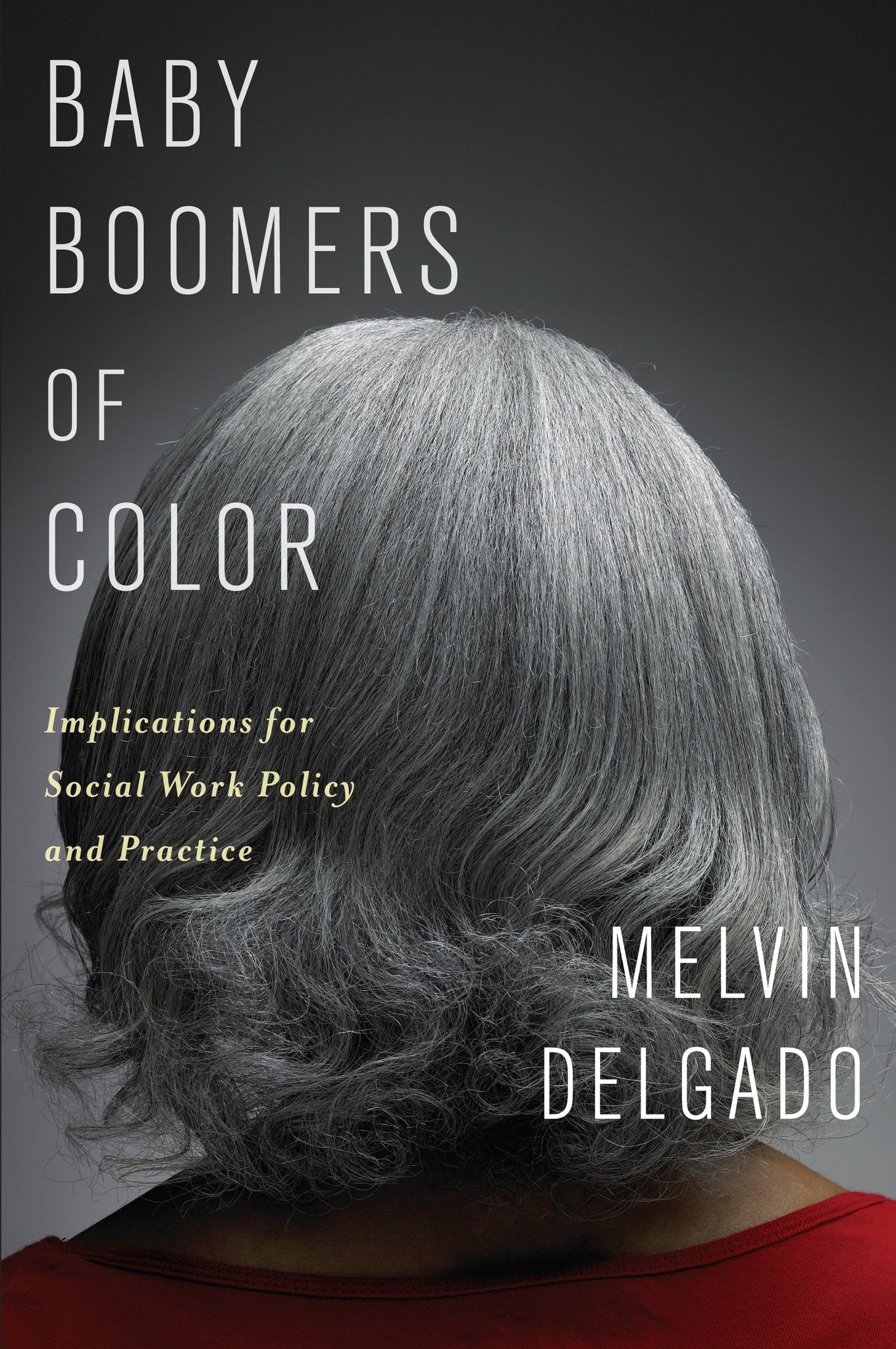
Because researchers often treat baby boomers of color as belonging to one group, quality data on the individual status of specific racial populations is lacking, leading to insufficiently designed programs, policies, and services. The absence of data is a testament to the invisibility of baby boomers of color in society and deeply affects the practice of social work and other helping professions that require culturally sensitive approaches.
Melvin Delgado rectifies this injustice by providing a comprehensive portrait of the status and unique assets of boomers of color. Using specific data, he grounds an understanding of boomers'financial, medical, and emotional needs within a historical, socioeconomic, cultural, and political context, resulting in tailored recommendations for meeting the challenges of a growing population. His research focuses on African American, Hispanic, Asian/Pacific Islander, and Native American older adults and addresses issues of financial security, employment stability, housing, and health care, which are often complicated by linguistic and cultural differences. Rather than treat baby boomers of color as a financial burden on society and its resources, Delgado recognizes their strengths and positive contributions to families and communities, resulting in an affirming and empowering approach to service.

— Heung Bong Cha, president of the International Association of Gerontology and Geriatrics
Preface and Acknowledgments
Part 1. Setting the Context
1. Overview
2. Two Perspectives on Baby Boomers
3. Boomer Demographic Profile and Trends
4. A Demographic Focus on Baby Boomers of Color
5. Health Needs
6. Financial Indicators
Part 2. Cultural Assets
7. Baby Boomer Assets: A Conceptual Foundation
8. Family-Focused Assets
9. Neighborhood/Community-Focused Assets
Part 3. Implications for Policy
10. Classification of Asset-Driven Interventions
11. Policy, Practice, and Research Implications
Epilogue
References
Index