


Some error occured while loading the Quick View. Please close the Quick View and try reloading the page.
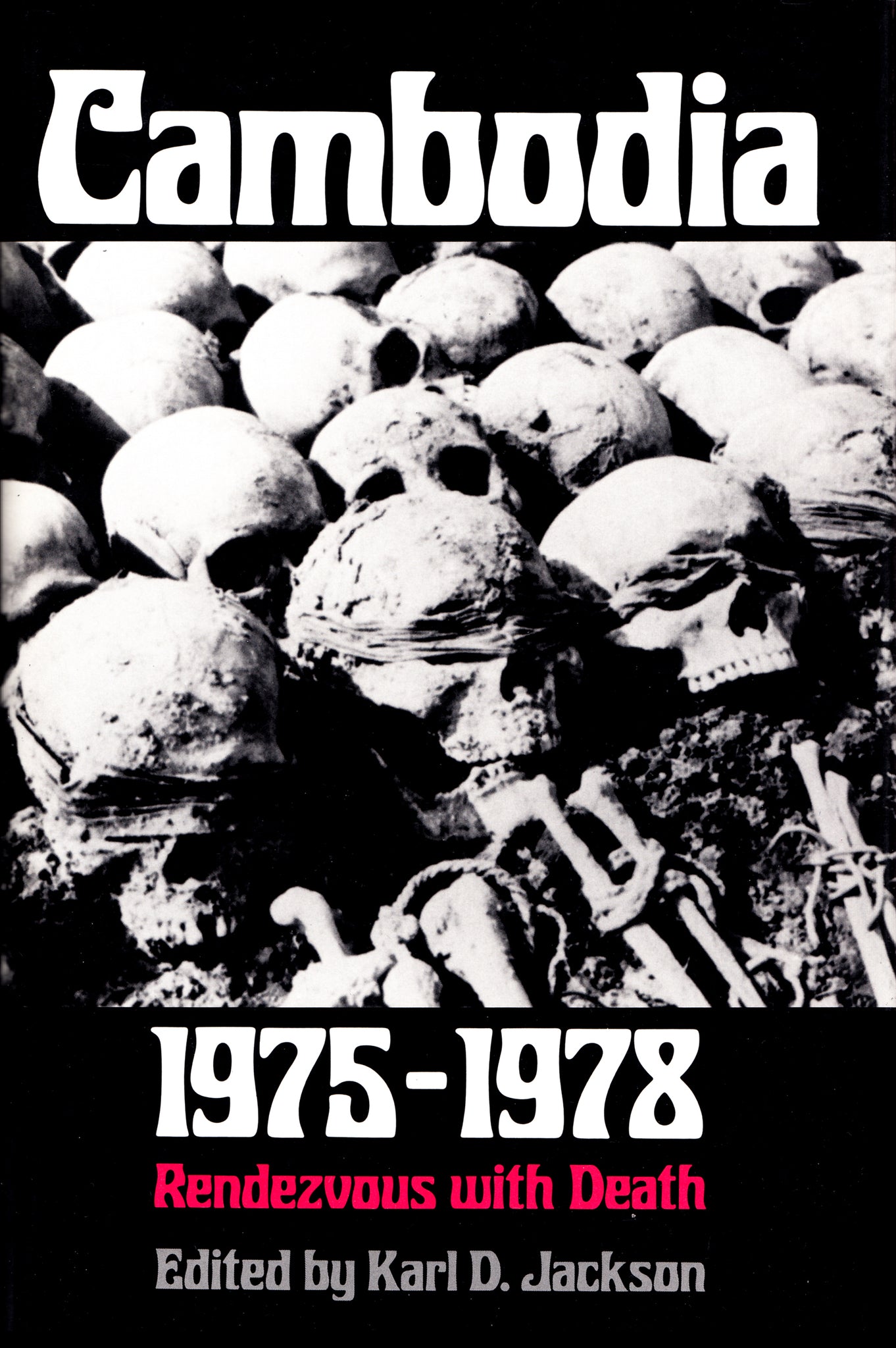
One of the most devastating periods in twentieth-century history was the rule of Pol Pot and the Khmer Rouge over Cambodia. From April 1975 to the beginning of the Vietnamese occupation in late December 1978, the country underwent perhaps the most violent and far-reaching of all modern revolutions. These six essays search for what can be explained in the ultimately inexplicable evils perpetrated by the Khmer Rouge. Accompanying them is a photo essay that provides shocking visual evidence of the tragedy of Cambodia's autogenocide. "The most important examination of the subject so far.... Without in any way denying the horror and brutality of the Khmers Rouges, the essays adopt a principle of detached analysis which makes their conclusion far more significant and convincing than the superficial images emanating from the television or cinema screen." --Ralph Smith, The Times Literary Supplement "A book that belongs on the shelf of every scholar interested in Cambodia, revolution, or communism.... Answers to questions such as `What effect did Khmer society have on the reign of the Khmer Rouge?' focus on understanding, rather than merely describing." --Randall Scott Clemons, Perspectives on Political Science
