


Some error occured while loading the Quick View. Please close the Quick View and try reloading the page.
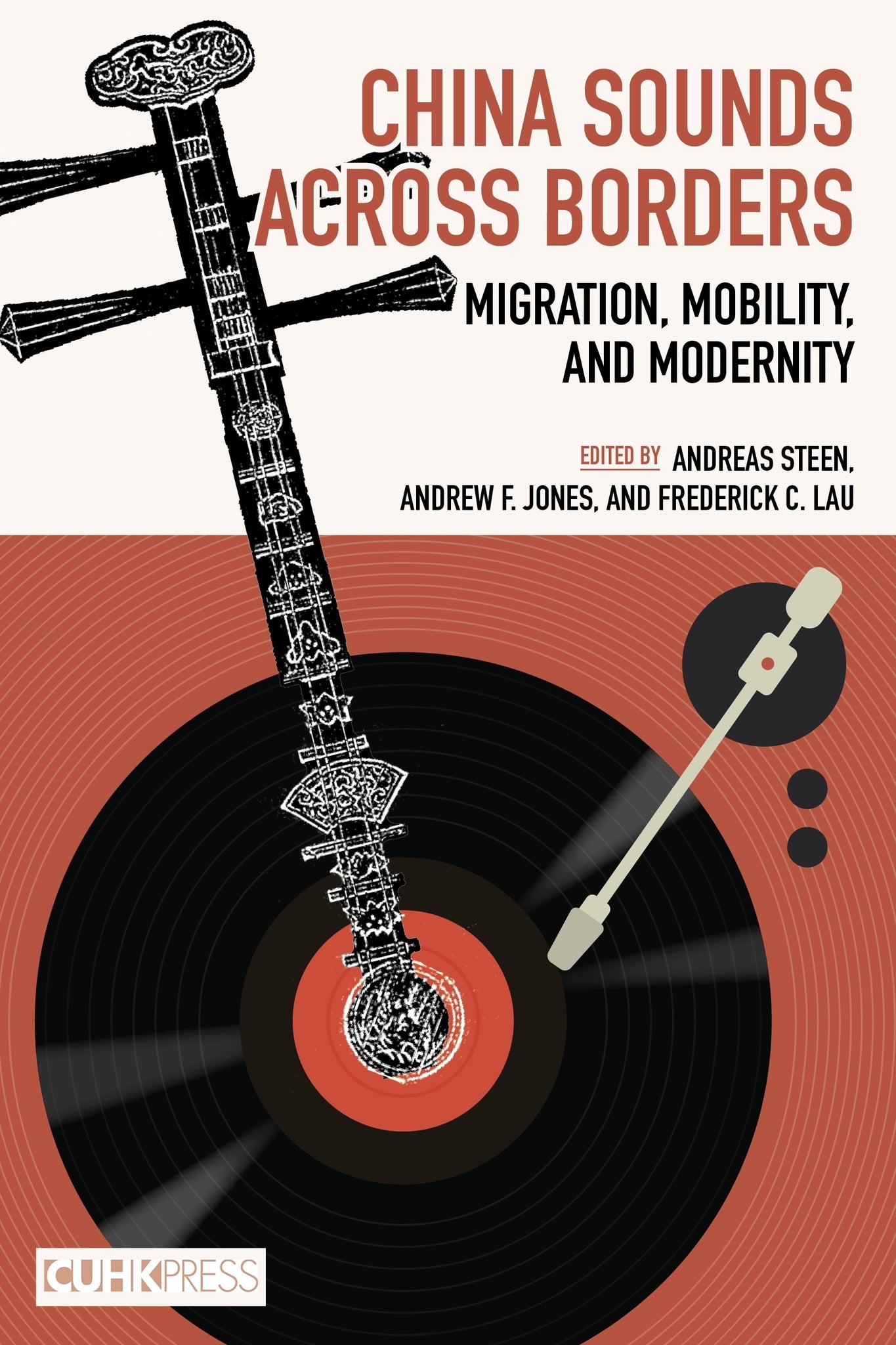
How have the sounds of China crossed borders, shaped by cultural, political, and technological forces? This volume traces Chinese music’s journey from 19th-century diasporas—driven by trade, migration, and imperialism—to today’s hyper-connected digital age, spanning locales from Japan and Jamaica to Italy and San Francisco. It examines how sound constructs identities, contests colonial and national power, and redefines cultural belonging across global contexts.
Structured into five sections (Asia, Maritime Worlds, Diaspora, Film, Media) and 17 case studies, the book explores the sonic dimension of China’s modern history and global presence. From Cantonese opera and Buddhist chants to propaganda records and classical repertoires, it analyzes how technologies like phonographs, radio, and cinema amplified sonic circulation, shaping social and cultural impacts of music worldwide. By weaving historical depth with global perspectives, the volume offers a comparative lens to understand the dynamic role of sound in China’s transnational interactions and cultural negotiation.

Frederick C. Lau is Chair and Professor of the Music Department and Director of the Center for Chinese Music Studies at The Chinese University of Hong Kong. His expertise covers Western and Asian music, including performance, practice, and research. He has authored Music in China (2008) and co-edited several books, such as Vocal Music and Cultural Identity in Contemporary Music (2013) and Making Waves (2018).
Andrew F. Jones is Louis B. Agassiz Professor in Chinese at UC Berkeley, focusing on modern Chinese literature and media culture. He authored Yellow Music (2001) and Circuit Listening (2020), exploring Chinese popular music. He has translated works by Yu Hua and Eileen Chang and co-edited The Discovery of the Child (2011). His research bridges music, media, and cultural studies.
Andreas Steen is Professor of Modern Chinese History and Culture at Aarhus University, Denmark. He specializes in Sino-foreign relations, Shanghai history, and Chinese popular music/culture. His publications include Between Entertainment and Revolution (in German 2006, updated in Chinese 2015), exploring Shanghai's early music industry. His current research examines sound's role in modern Chinese history.
Introduction
1 China Sounds in a Changing Japan: From Minshingaku to China Songs, 1870s to 1930s
2 Rhythm Revolution in the Southern Seas: Li Jinhui and His Musical Tour to Southeast Asia, 1928–1929
3 Korean Yellowface? Comic Songs, Chinese Sounds, and the Transpacific Circulation of Affect
4 Singing to Whom? Sonic Articulations of Hong Kong
5 Chinese Sound Waves on Cuban Shores: Chinese Music’s Maiden Voyage to the Americas
6 The Far East Sound in Jamaica
7 Resisting, Traveling, and Musicking across Oceania: Indigenous Taiwanese Making Waves with Native Hawaiians
8 The ‘Chinese’ Empire Travels West: Euphony and Cacophony of the 1904 World’s Fair
9 Opera and Actresses in Cantonese Sojourner Community: From Shanghai to San Francisco
10 Crazy Rich Asians: Chinese-language Songs, Hybrid Pathways, and Acts of Erasure
11 Shanghai Divas, Hong Kong Singing Stars, and Crazy Rich Asians of Singapore
12 The Global Journey of a Sonic Souvenir: China’s First International Hit Song “Rose, Rose I love You” (1940)
13 Tuning to Socialist China: The Perception of Maoist Soundscapes in Cold-War Italy’s Travelogues
14 Flying Sounds, Grounded Knowledge: Pigeon Whistles in Germany and the United Kingdom
15 Songs of the World: On the Global Dissemination and Geopolitics of Chinese Rock
16 Sounds of Chinese Contemporary Composers Abroad
17 Whose Classical Music? Chinese Musicians and the World
Contributors
Glossary
Index