


Some error occured while loading the Quick View. Please close the Quick View and try reloading the page.
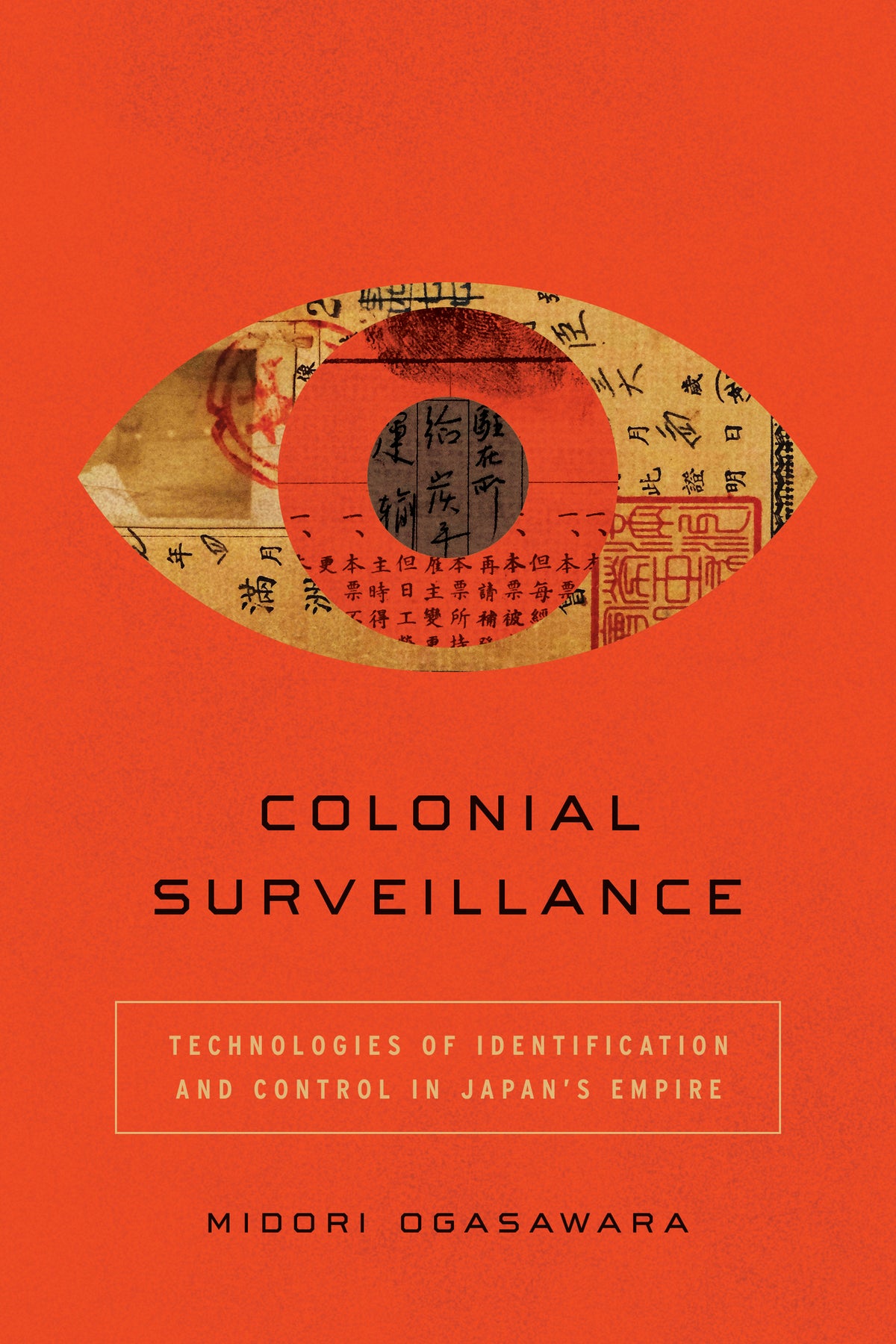
In order to compete with Western powers, Japan began to rapidly modernize its governing institutions, in the process creating a national population registration and identification bureaucracy, the Koseki system, in 1871. A few decades later, when Japan began to extract natural resources from and occupy Northeast China, fingerprint identification was introduced to track the movement of local populations. Taking a historical and sociological perspective informed by surveillance studies, this book shows how biometric identification became a powerful means of policing and racialization of ethnic others in Japan's empire.
Based on archival research in Japan and China, as well as interviews with the Chinese survivors of Japanese occupation, Midori Ogasawara explores the transformation of identification techniques from Japan to its colonies and the lasting impacts of colonial surveillance on everyday people. Against the historical backdrop of Japan's colonial expansion in the pseudo-state of "Manchukuo," Ogasawara invites readers to delve into the little-known genealogy of modern-day identification systems, and the colonial roots of the troubling and often-invisible surveillance technologies that saturate our digital lives today.
