


Some error occured while loading the Quick View. Please close the Quick View and try reloading the page.
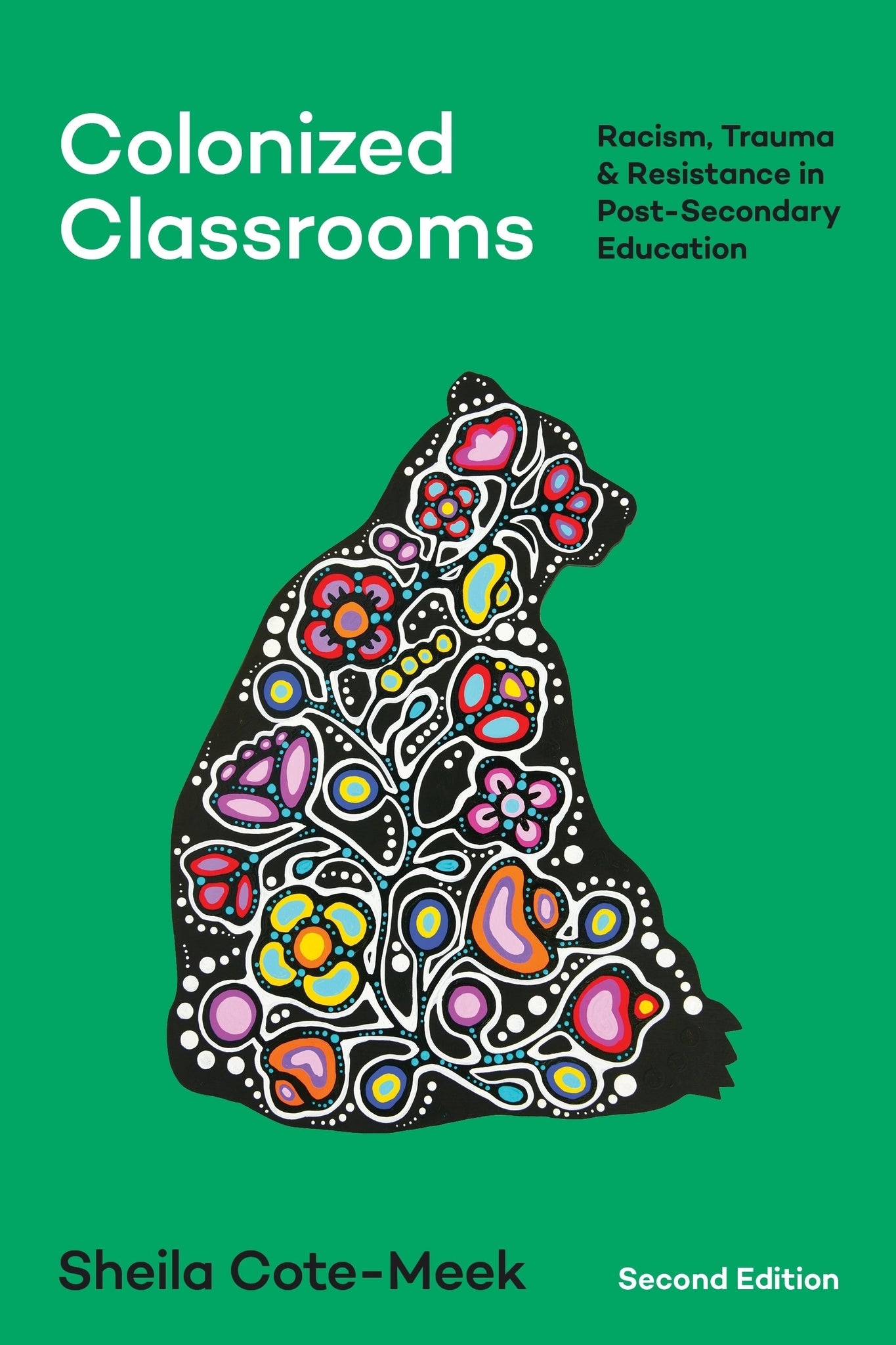
In the wake of the Truth and Reconciliation Commission of Canada, Sheila Cote-Meek examines how post-secondary institutions have responded to demands for reconciliation, Indigenization, and systemic change. Drawing on the voices of Indigenous students and professors, the second edition explores both the progress that has been made since the TRC and the enduring challenges that continue to shape Indigenous experiences in higher education. Important institutional post-TRC shifts include curricular and pedagogical changes, increased Indigenous faculty and staff and Indigenous spaces on campuses, expanded student supports, and heightened awareness of Indigenous histories and contemporary realities. At the same time, Indigenous students and professors continue to navigate racism, tokenism, and the burden of representation within institutions that remain grounded in colonial structures. Performative responses to reconciliation can reinforce, rather than dismantle, systemic inequities, while placing disproportionate labour on Indigenous faculty.
Grounded in lived experience and rigorous scholarship, the second edition of Colonized Classrooms offers a powerful analysis of the tensions and possibilities facing post-secondary education today. Cote-Meek challenges institutions to move beyond symbolic gestures and toward genuine, accountable, and transformative change.

— Jesse Staats, Six Nations (Mohawk), PhD candidate, University of Toronto
Sheila Cote-Meek is Anishinaabe from the Teme-Augama Anishnabai. She is a professor and interim vice-provost, Indigenous Engagement at Brock University. She was the inaugural vice-president of Equity, People and Culture at York University, where she led the development of the Decolonizing, Equity, Diversity and Inclusion (DEDI) strategy and York’s Black Inclusion Strategy. She was the inaugural associate-vice-president of Indigenous and Academic Programs at Laurentian University, where she developed and led the Indigenous Sharing and Learning Centre, the Maamwazing Indigenous Research Institute and the Master of Indigenous Relations. Dr. Cote-Meek co-edited Decolonizing and Indigenizing Education in Canada (2020); Critical Reflections and Politics on Advancing Women in the Academy (2020); and Perspectives on Indigenous Pedagogy in Education: Learning from One Another (2023). She is well-known nationally for her work in advancing Indigeneity, equity and inclusion in higher education.
Jacqueline Ottmann is Anishinaabe (Saulteaux) from Fishing Lake First Nation in Saskatchewan. She was an elementary teacher and high school teacher and principal. In her post-secondary career, Jacqueline was the Coordinator of the First Nations, Métis, Inuit undergraduate teacher education program, Director of Indigenous Education Initiatives, and Provost, Indigenous Strategy at the University of Calgary. As well, at the University of Saskatchewan, she was Professor and Vice-Provost Indigenous Engagement before being appointed President of the First Nations University. Jacqueline is also the first Indigenous person to become President of the Canadian Society for the Study of Education. She has been recognized as an international researcher, advocate, and change-maker whose purpose is to transform practices inclusive of Indigenous leadership, methodologies, and pedagogies.
Foreword by Jacqueline Ottmann
Chapter 1: Framing the Context
Chapter 2: The Impact of the Colonial Encounter
Chapter 3: Negotiating the Cultural/Colonial Divide
Chapter 4: Negotiating Race
Chapter 5: Trauma in the Classroom
Chapter 6: Resisting Ongoing Racism and Colonialism
Chapter 7: Indigenous Professors’ Experience Post TRC
Chapter 8: Indigenous Students’ Experience Post TRC
Chapter 9: Closing the Circle: The Possibilities for Transformation