


Some error occured while loading the Quick View. Please close the Quick View and try reloading the page.
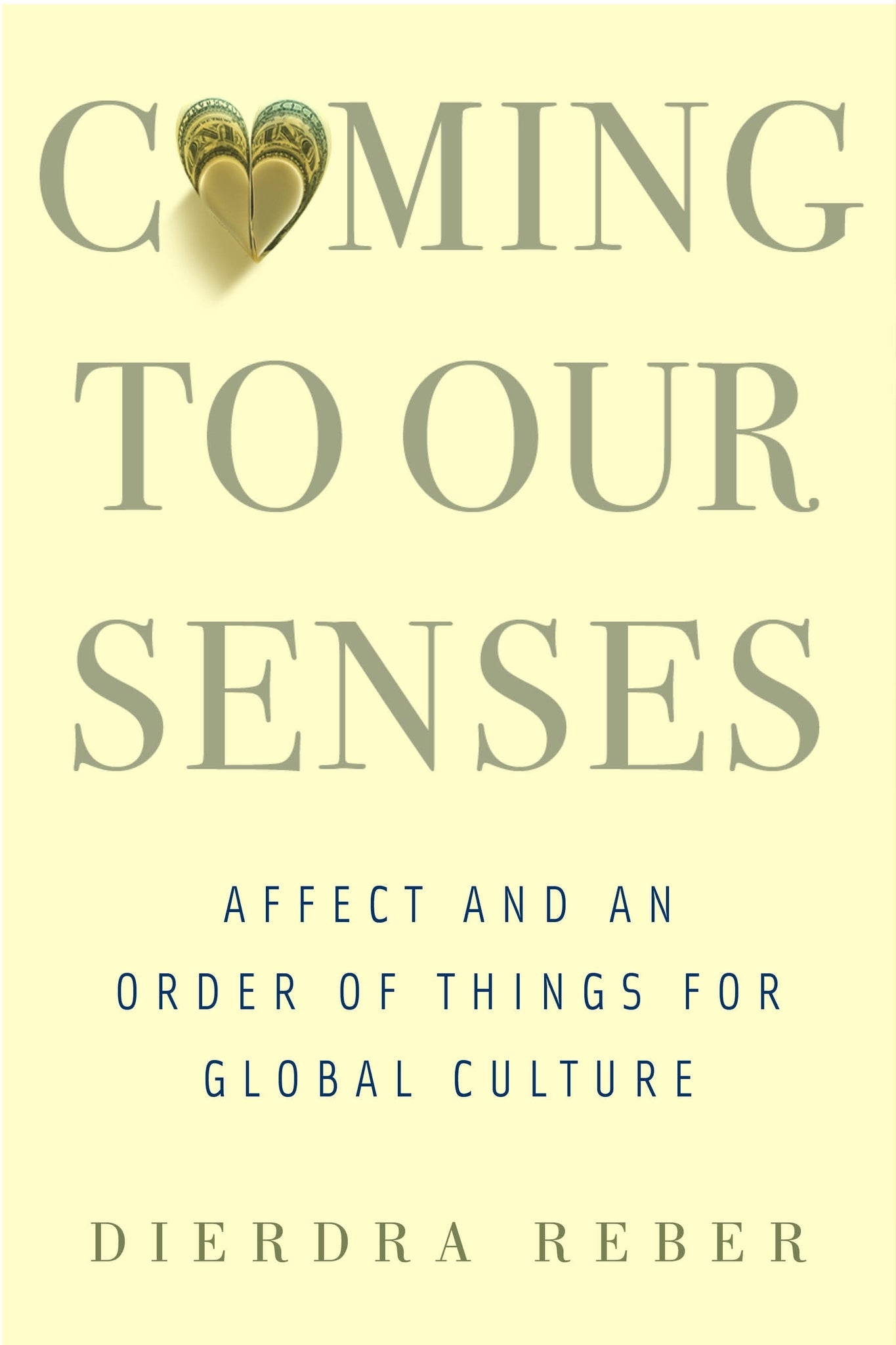
Coming to Our Senses positions affect, or feeling, as our new cultural compass, ordering the parameters and possibilities of what can be known. From Facebook "likes" to Coca-Cola "loves," from "emotional intelligence" in business to "emotional contagion" in social media, affect has displaced reason as the primary catalyst of global culture.
Through examples of feeling in the books, film, music, advertising, cultural criticism, and political discourse of the United States and Latin America, Reber shows how affect encourages the public to "reason" on the strength of sentiment alone. Well-being, represented by happiness and health, and ill-being, embodied by unhappiness and disease, form the two poles of our social judgment, whether in affirmation or critique. We must then reenvision contemporary politics as operating at the level of the feeling body, so we can better understand the physiological and epistemological conditions affirming our cultural status quo and contestatory strategies for emancipation.

Preface: Tracking the Feeling Soma
Acknowledgments
Prelude: Affective Contours of Knowledge
Introduction: Headless Capitalism
Part 1: The Feeling Soma
1. The Feeling Soma: Humanity as a Singular "We"
2. We Are the World: Sentient People and Planet in Sustainability Discourse
Part 2: Homeostatic Dynamics
3. "Becoming well beings": Homeostatic Dynamics and the Metaphor of Health
4. Legs, Love, and Life: The Affective Political Actor as a Well Being
Conclusion: Affective Biopower
Notes
Works Cited
Index