


Some error occured while loading the Quick View. Please close the Quick View and try reloading the page.
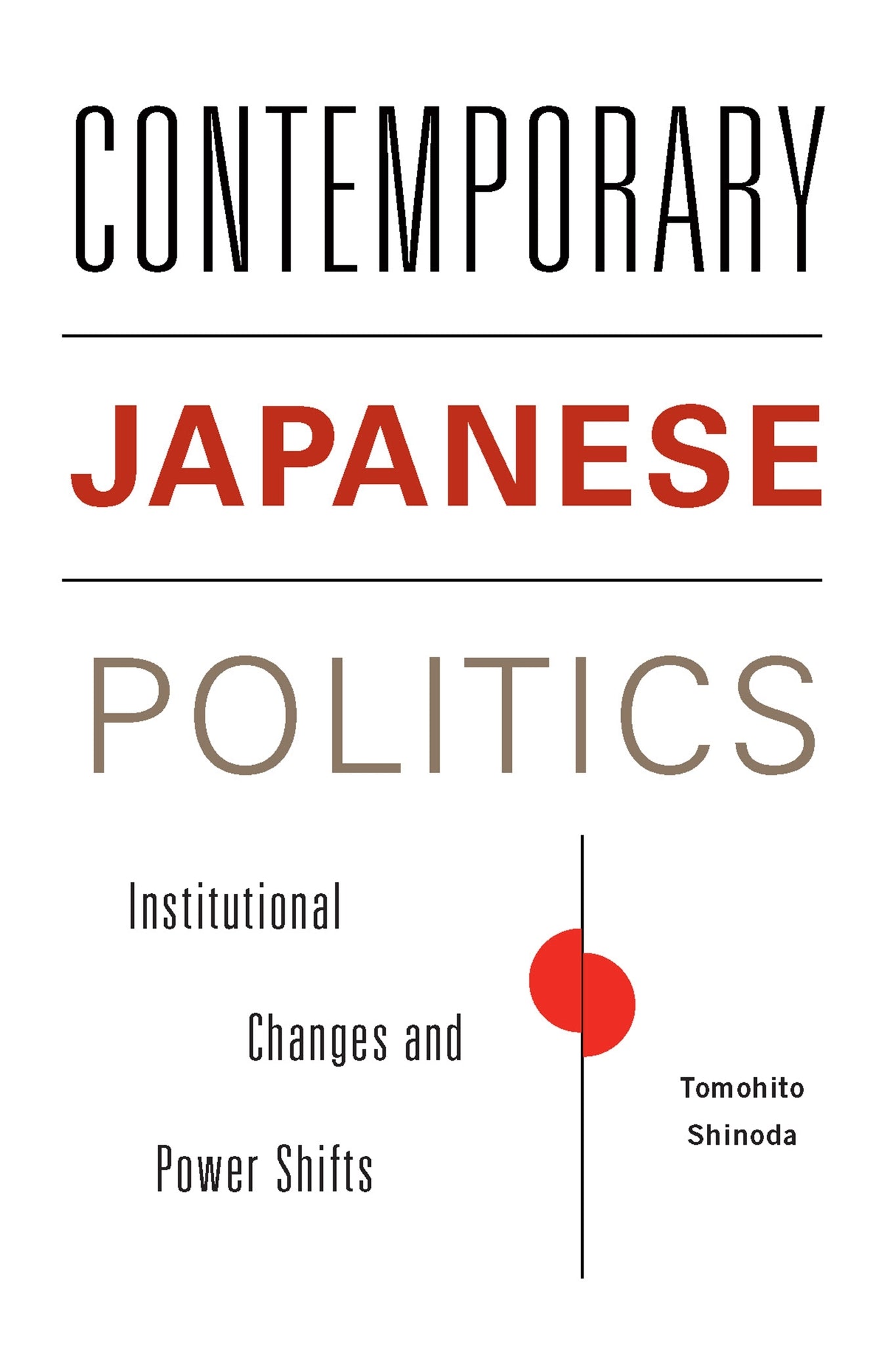
Decentralized policymaking power in Japan had developed under the reign of the Liberal Democratic Party (LDP), yet in the1990s, institutional changes fundamentally altered Japan's political landscape. Tomohito Shinoda tracks these developments in the operation of and tensions between Japan's political parties and the public's behavior in elections, as well as in the government's ability to coordinate diverse policy preferences and respond to political crises. The selection of Junichiro Koizumi, an anti-mainstream politician, as prime minister in 2001 initiated a power shift to the Democratic Party of Japan (DPJ) and ended LDP rule. Shinoda details these events and Prime Minister Koizumi's use of them to practice strong policymaking leadership. He also outlines the institutional initiatives introduced by the DPJ government and their impact on policymaking, illustrating the importance of balanced centralized institutions and bureaucratic support.

Price: $34.00
Pages: 352
Publisher: Columbia University Press
Imprint: Columbia University Press
Series: Contemporary Asia in the World
Publication Date:
24 September 2013
Trim Size: 9.00 X 6.00 in
ISBN: 9780231158534
Format: Paperback
The Japanese political system has often seemed impervious to change and impenetrable to outsiders. Shinoda offers clear and convincing evidence that, from the Koizumi landslide of 2001 to the Abe landslide of 2012, profound institutional changes have altered the political landscape and have permitted a new balance of power among effective political leaders, the bureaucracy, and interest groups. His book is a must read for anyone interested in Japan and democratic governance.
Tomohito Shinoda is professor of international relations at the International University of Japan. His publications include Koizumi Diplomacy: Japan's Kantei Approach in Foreign and Defense Affairs and Leading Japan: The Role of the Prime Minister.
List of Figures and Tables
Acknowledgments
A Note on Conventions
List of Abbreviations and Japanese Terms
Introduction
1. Japanese Politics Under the LDP
2. The Politics of Institutional Reform
3. Institutional Changes and Koizumi's Leadership
4. Electoral Changes and Their Impact
5. Hatoyama's Antibureaucratic Stance
6. Kan's Struggle in the Government and the DPJ
7. Institutions and Political Leadership
Appendix 1
Appendix 2
Notes
Bibliography
Index