


Some error occured while loading the Quick View. Please close the Quick View and try reloading the page.
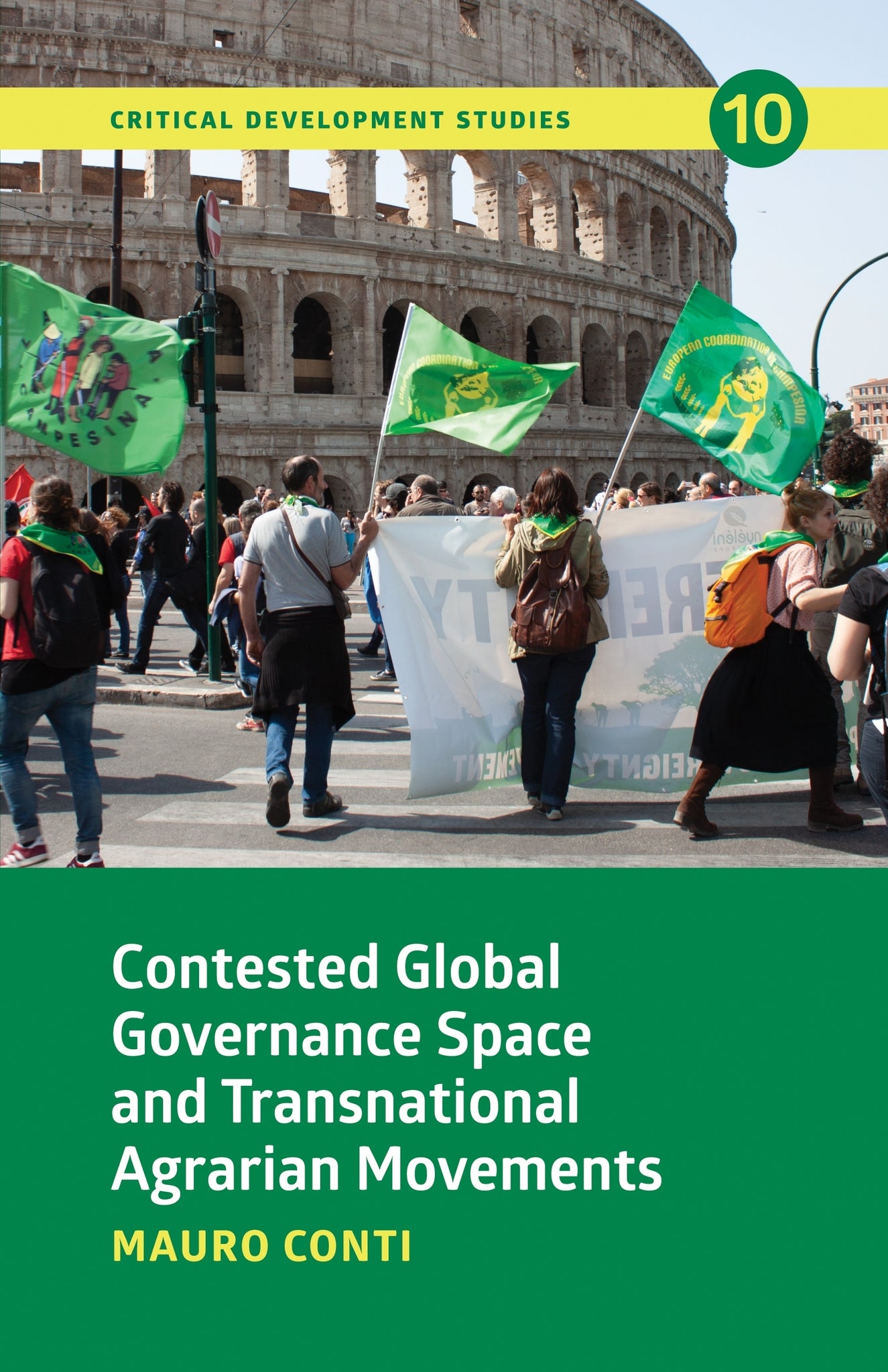
This book is the first scholarly study of the new transnational agrarian movements (TAMs) from their perspective. It explores how they strategize within the global governance of agriculture to confront neoliberal aims of expanding capital penetration in the countryside. TAMs oppose this phase of financialization and instead foster a system based on agroecology and re-peasantization of production, valuing labour and natural resources over capital.
The book outlines how TAMs defend food sovereignty and oppose neoliberal policies in the context of climate change negotiations. It is written from their perspective, merging scholarship with activism through a methodology of observant participation.

— Saturnino M. Borras Jr., International Institute of Social Studies (iss), Netherlands, co-author, Scholar-Activism and Land Struggles
: Introduction: A Strategic Vision for the Agrarian Institutional Guerrilla
: Financialization and Capital Accumulation
: Globalization, Capital Accumulation and the Role of Agriculture
: Transnational Governance of Agriculture
: Climate Change and Family Farming: A Confrontation at the Agroecological Frontier
: Conclusion
: References