


Some error occured while loading the Quick View. Please close the Quick View and try reloading the page.
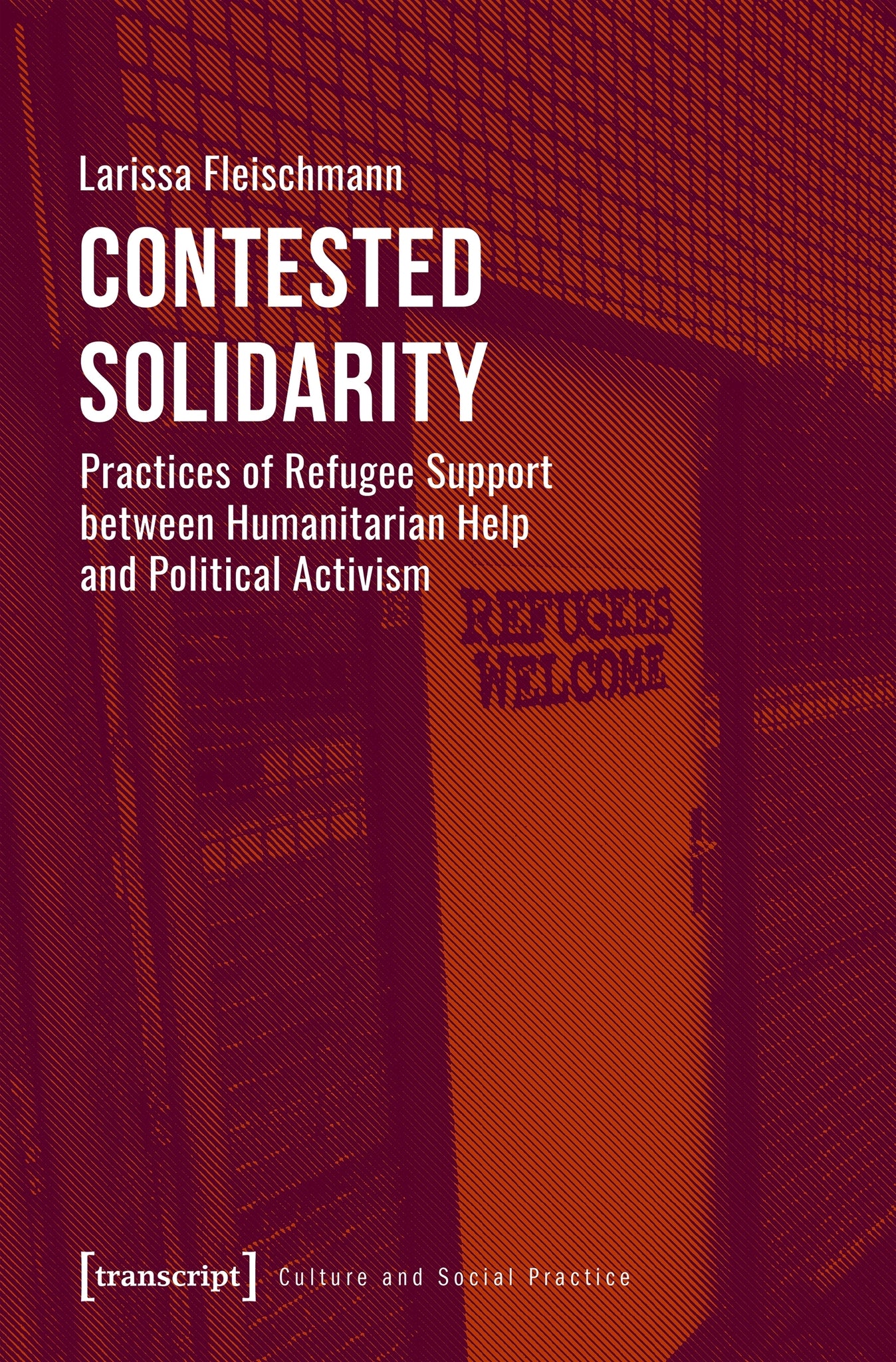

Frontmatter 1
Contents 5
1.1. The Spirit of Summer 2015: "We Want to Help Refugees!" 9
1.2. The Political Ambivalences of Refugee Support 16
1.3. Conceptualizing Solidarity in Migration Societies 23
1.4. The Political Possibilities of Grassroots Humanitarianism 30
1.5. Rethinking Political Action in Migration Societies 36
1.6. Researching Solidarity in the German 'Summer of Welcome': Field, Access, Methods, Ethics 40
1.7. An Outline of Contested Solidarity 46
2.1. The Notion of a 'Welcome Culture' and its Mobilizing Effects 51
2.2. Humanitarian Dissent: The Solidarity March 'Ellwangen Shows its Colours' 55
2.3. Humanitarian Governance: Volunteering with Refugees in Ellwangen 71
2.4. Concluding Remarks: Practices of Solidarity between Dissent and Co-Optation 83
3.1. Governmental Interventions in the Conduct of Volunteering with Refugees 85
3.2. (Re)Ordering Responsibilities in the Reception of Asylum Seekers 88
3.3. (Re)Shaping the Self-Conduct of Committed Citizens 100
3.4. Depoliticizing "Uncomfortable" Practices of Refugee Support 112
3.5. Concluding Remarks: The Government of Refugee Solidarity 119
4.1. "We are also Political Volunteers!" 121
4.2. Politics of Presence: Enacting Alternative Visions of Society 125
4.3. Contestations around Equal Rights 131
4.4. Contestations around a Right to Stay 139
4.5. Contestations around a Right to Migrate 147
4.6. Concluding Remarks: Emerging Meanings of Political Action in Migration Societies 152
5.1. Insubordinate Recipients: Asylum Seekers' Interventions in Relationships of Solidarity 155
5.2. The Intermediated Agency of Asylum Seekers 158
5.3. (De)politicizing the Meanings of Food: The Intermediation of Migrant Protest in Bad Waldsee 161
5.4. Deterring 'Economic Migrants': The Intermediation of Migrant Protest in Offenburg 176
5.5. Concluding Remarks: The Agency of Asylum Seekers in the Contestation of Solidarity 189
6.1. At the Frontlines of Solidarity and Community 193
6.2. A Short History of Refugee Activism in Schwäbisch Gmünd 197
6.3. The Breaking of Relationships of Solidarity 201
6.4. The Conflicting Imaginaries of Community 214
6.5. Concluding Remarks: The Intimate Relationship between Community and Solidarity 226
Introduction 229
7.1. The Contested Line between Insiders and Outsiders 230
7.2. The Contested Line between 'the State' and 'Civil Society' 233
7.3. The Contested Relationship between 'the Local' and 'the World Out There' 236
References 241
Acknowledgements 271