


Some error occured while loading the Quick View. Please close the Quick View and try reloading the page.
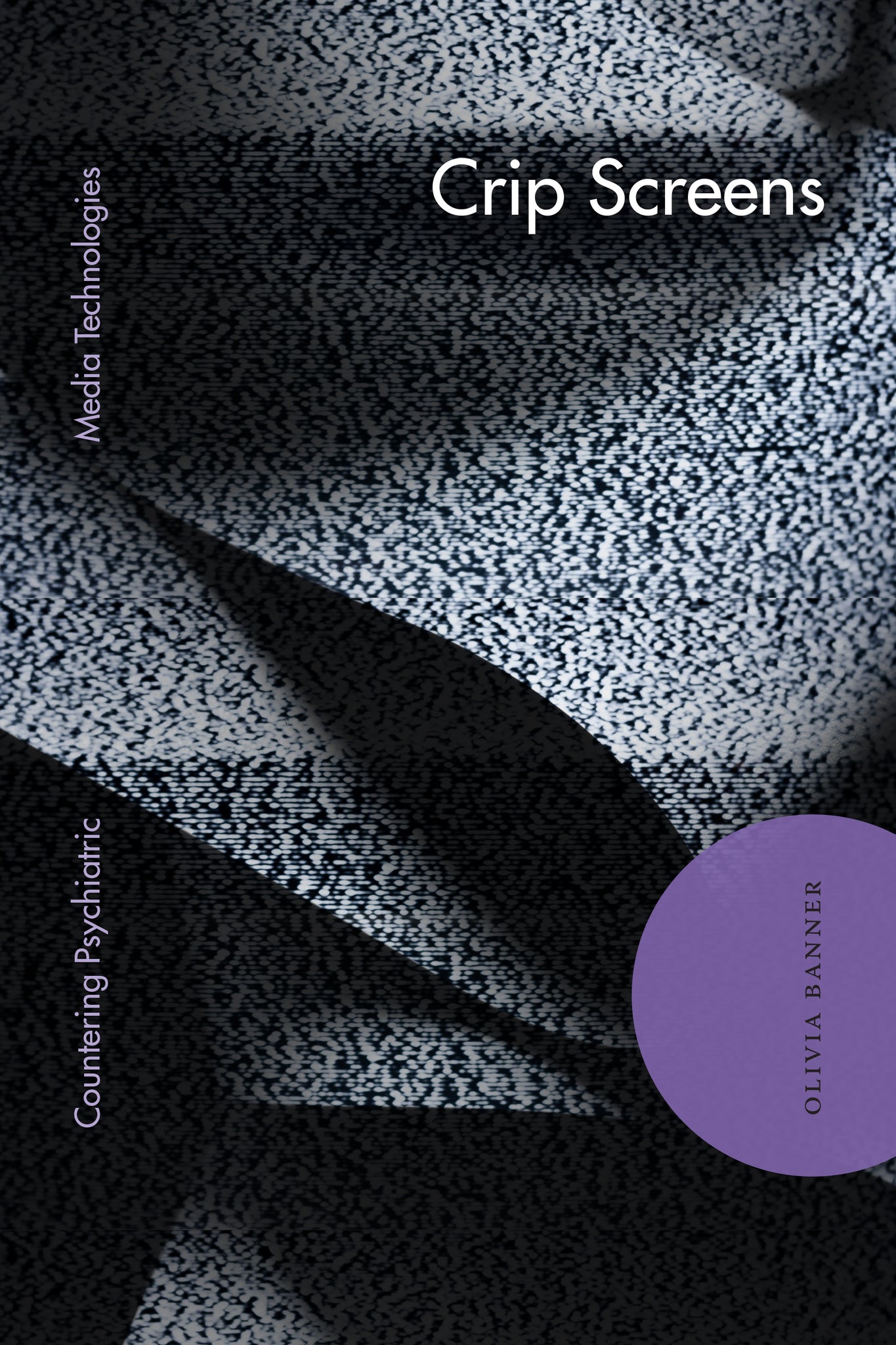
In Crip Screens, Olivia Banner provides a wide-ranging and ongoing history of Black, feminist-of-color, and crip resistance to psychiatry’s incorporation of hegemonic media technologies into treatment and research. Banner shows how institutions use documentary films, data visualization, network graphs, therapy chatbots, virtual patient training programs, and pharmaceutical advertising to pathologize certain people as “deviant” and “mentally ill.” Those people so categorized have used media technologies toward alternative visions of care. Examining insurgent media and technology efforts in the 1960s and 1970s, Banner shows how women and communities of color worked to wrest away from psychiatry its hold over representing mental distress and pathological categorization. These efforts and innovations, she argues, were distinct from what is now accepted as the antipsychiatry movement. In so doing, Banner recovers a lost history of disability politics—what she calls crip screens—that refused psychiatry’s use of cultural productions toward its carceral and subjugating designs.

Price: $25.95
Pages: 160
Publisher: Duke University Press
Imprint: Duke University Press
Publication Date:
21 October 2025
Trim Size: 9.00 X 6.00 in
ISBN: 9781478032564
Format: Paperback
BISACs:
“Drawing from a radical methodology and generous readings of a wealth of archival material, Crip Screens is a highly original work that traces a dual history of oppression and resistance to the biopolitical projects of normalization and pathologization in psychiatry. This definitive book will remain deeply important to the continued conversations around computer power, mediated medicine, and daily life within surveillance capitalism.”—Hannah Zeavin, author of, The Distance Cure: A History of Teletherapy
Olivia Banner is Director of Strategy and Operations at the Center for Research and Education on Accessible Technology and Experiences at the University of Washington and author of Communicative Biocapitalism: The Voice of the Patient in Digital Health and the Health Humanities.
Introduction. The Spillover and Psychiatric Ways of Screening 1
1. Psychiatric Ways of Screening in the Long 1960s 19
2. Feminist-of-Color Activism and Information Justice at Lincoln Hospital 49
3. From Spillover to Streets: Community-Organized Filmmaking as Mutual Aid 73
4. Countering Psychiatric Ways of Simulating/Racializing Patients 95
Coda 121
Acknowledgments 123
Notes 125
Bibliography 137
Index 149
1. Psychiatric Ways of Screening in the Long 1960s 19
2. Feminist-of-Color Activism and Information Justice at Lincoln Hospital 49
3. From Spillover to Streets: Community-Organized Filmmaking as Mutual Aid 73
4. Countering Psychiatric Ways of Simulating/Racializing Patients 95
Coda 121
Acknowledgments 123
Notes 125
Bibliography 137
Index 149