


Some error occured while loading the Quick View. Please close the Quick View and try reloading the page.
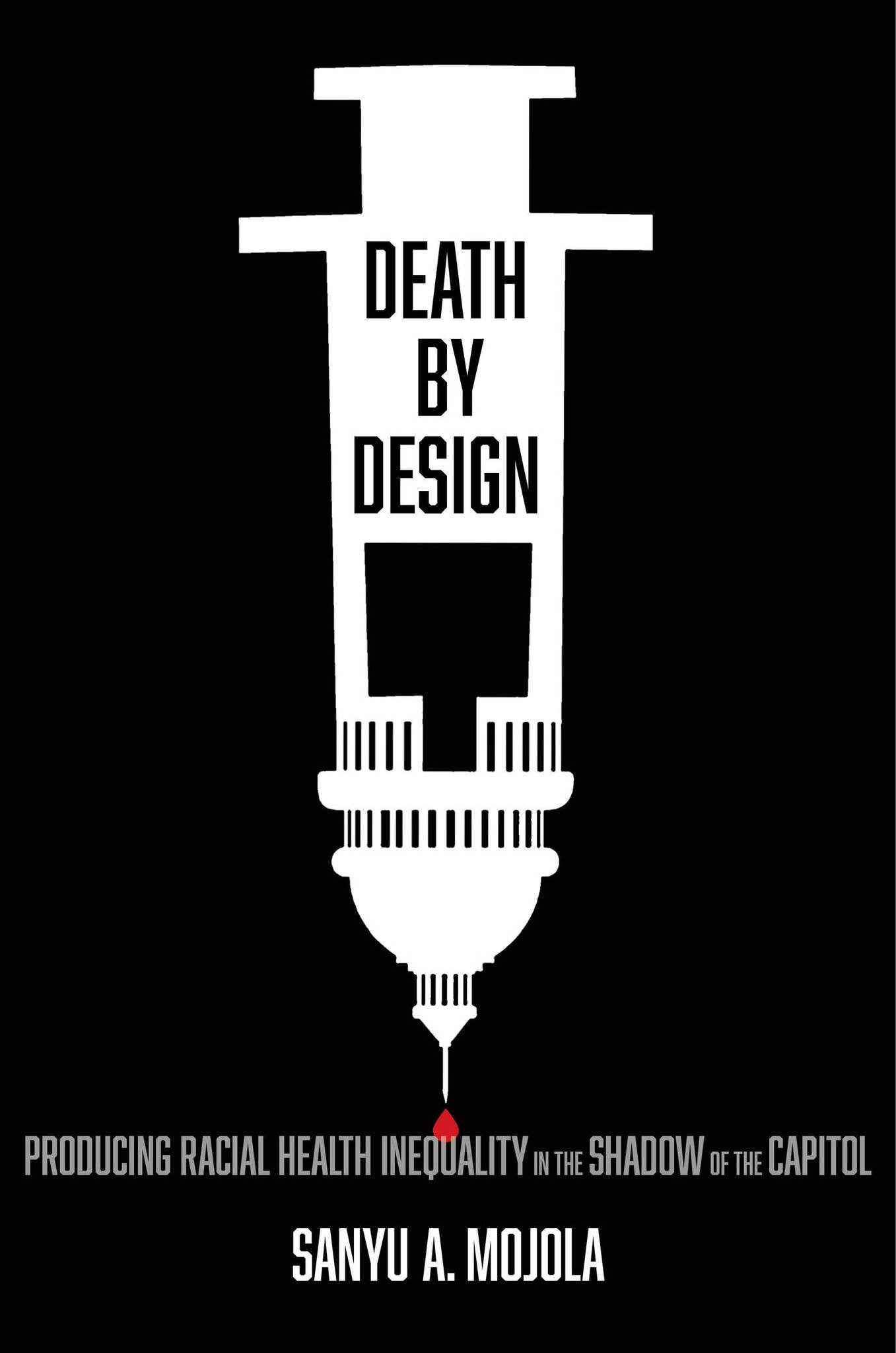
Washington, DC, has the nation's largest racial life expectancy gap, and it has experienced many of the nation's worst epidemics, including maternal and infant mortality, homicide, heroin overdoses, and HIV/AIDS. These epidemics have disproportionately affected African Americans. Why and how does racial health inequality exist and persist? Starting from the city's founding in the late 1700s and drawing on a range of sources—including archival material, life history interviews, and census, vital statistics, and disease surveillance data—this book illustrates how the physical, social, and policy design of the city contributes to the production and reproduction of disproportionate Black death.

Price: $29.95
Pages: 466
Publisher: University of California Press
Imprint: University of California Press
Publication Date:
28 October 2025
Trim Size: 9.00 X 6.00 in
ISBN: 9780520421165
Format: Paperback
BISACs:
Sanyu A. Mojola is Professor of Sociology and Public Affairs and Maurice P. During Professor of Demographic Studies at Princeton University. She directed Princeton's Office of Population Research from 2020 to 2024.
Contents
List of Illustrations
Introduction
Part One. Racial Containment and Health in Historical Context
Overview
1. The First Era: 1790–1890
2. The Second Era: 1890–1950
3. The Third Era: 1950–Present
Part Two. Sex, Love, and HIV in a Syndemic Zone
Overview
4. The HIV Epidemic Among Gay and Bisexual Men
5. The HIV Epidemic Among Heterosexual Men, Women, and Trans Women
Part Three. The SAVA Syndemic: Drugs–HIV/AIDS–Homicide
Overview
6. First Comes Heroin: 1960–2016
7. Then Comes Cocaine: Late 1970s–2010s
8. Paying for a Habit: Commercial Sex and Drug Addiction Treatment
9. Homicide Redux and Life in a Syndemic Zone
Part Four. Mass Incarceration and Syndemic Amplification
Overview
10. Creating Mass Black Incarceration in DC
11. The DC Prison Syndemic and Community Amplification
Part Five. Racial Containment and the City's HIV/AIDS Epidemic Response
Overview
12. Intersectional Politics and the AIDS Epidemic
13. Controlling an Epidemic: The Successes and Limits of Technocratic Expertise
Conclusion
Appendix: Methodological Note
Acknowledgments
Notes
Bibliography
Index
List of Illustrations
Introduction
Part One. Racial Containment and Health in Historical Context
Overview
1. The First Era: 1790–1890
2. The Second Era: 1890–1950
3. The Third Era: 1950–Present
Part Two. Sex, Love, and HIV in a Syndemic Zone
Overview
4. The HIV Epidemic Among Gay and Bisexual Men
5. The HIV Epidemic Among Heterosexual Men, Women, and Trans Women
Part Three. The SAVA Syndemic: Drugs–HIV/AIDS–Homicide
Overview
6. First Comes Heroin: 1960–2016
7. Then Comes Cocaine: Late 1970s–2010s
8. Paying for a Habit: Commercial Sex and Drug Addiction Treatment
9. Homicide Redux and Life in a Syndemic Zone
Part Four. Mass Incarceration and Syndemic Amplification
Overview
10. Creating Mass Black Incarceration in DC
11. The DC Prison Syndemic and Community Amplification
Part Five. Racial Containment and the City's HIV/AIDS Epidemic Response
Overview
12. Intersectional Politics and the AIDS Epidemic
13. Controlling an Epidemic: The Successes and Limits of Technocratic Expertise
Conclusion
Appendix: Methodological Note
Acknowledgments
Notes
Bibliography
Index