


Some error occured while loading the Quick View. Please close the Quick View and try reloading the page.
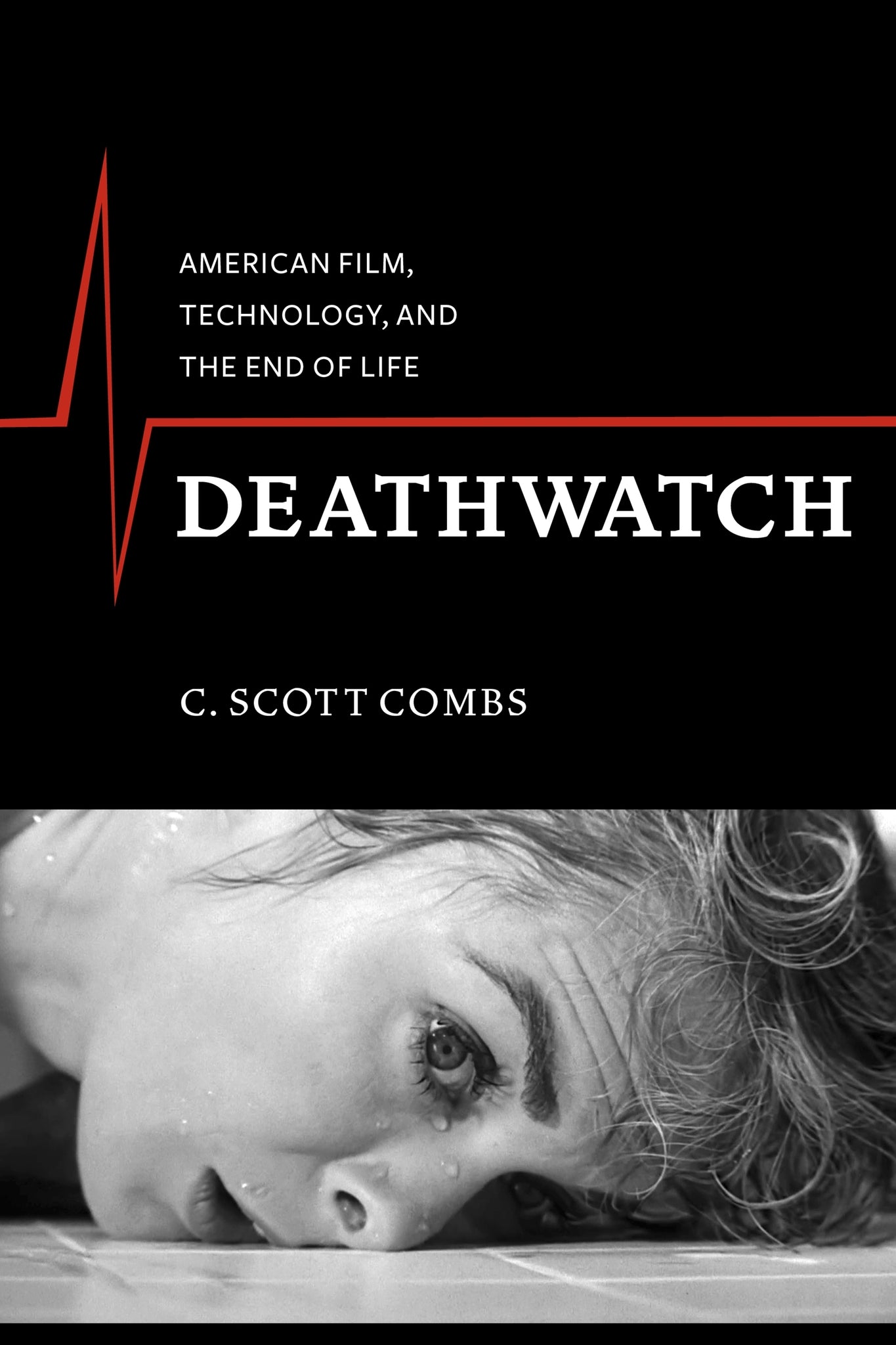
The first book to unpack American cinema's long history of representing death, this work considers movie sequences in which the process of dying becomes an exercise in legibility and exploration for the camera. Reading attractions-based cinema, narrative films, early sound cinema, and films using voiceover or images of medical technology, C. Scott Combs connects the slow or static process of dying to formal film innovation throughout the twentieth century. He looks at Thomas Edison's Electrocuting an Elephant (1903), D. W. Griffith's The Country Doctor (1909), John Ford's How Green Was My Valley (1941), Billy Wilder's Sunset Boulevard (1950), Stanley Kubrick's 2001: A Space Odyssey (1968), and Clint Eastwood's Million Dollar Baby (2004), among other films, to argue against the notion that film cannot capture the end of life because it cannot stop moving forward. Instead, he shows how the end of dying occurs more than once and in more than one place, understanding death in cinema as constantly in flux, wedged between technological precision and embodied perception.

Price: $35.00
Pages: 288
Publisher: Columbia University Press
Imprint: Columbia University Press
Series: Film and Culture Series
Publication Date:
02 September 2014
Trim Size: 9.00 X 6.00 in
ISBN: 9780231163477
Format: Paperback
Genuinely exciting and brimming with original insights. Given cinema's eternal fascination with death, coupled with film theory's obsessive need to explore the crossroads of photographic representation and the end of life, Combs's ambitious attempts to interweave these concerns are welcome and illuminating.
— Adam Lowenstein, author of Shocking Representation: Historical Trauma, National Cinema, and the Modern Horror Film
— Adam Lowenstein, author of Shocking Representation: Historical Trauma, National Cinema, and the Modern Horror Film
C. Scott Combs is associate professor of English at St. John's University in New York City.
Acknowledgments
Introduction: An Elusive Passage
1. Mortal Recoil: Early American Execution Scenes and the Electric Chair
2. Posthumous Motion: The Deathwork of Narrative Editing
3. Echo and Hum: Death's Acoustic Space in the Early Sound Film
4. Seconds: The Flashback Loop and the Posthumous Voice
5. Terminal Screens: Cinematography and Electric Death
Coda: End(ings)
Notes
Bibliography
Index