


Some error occured while loading the Quick View. Please close the Quick View and try reloading the page.
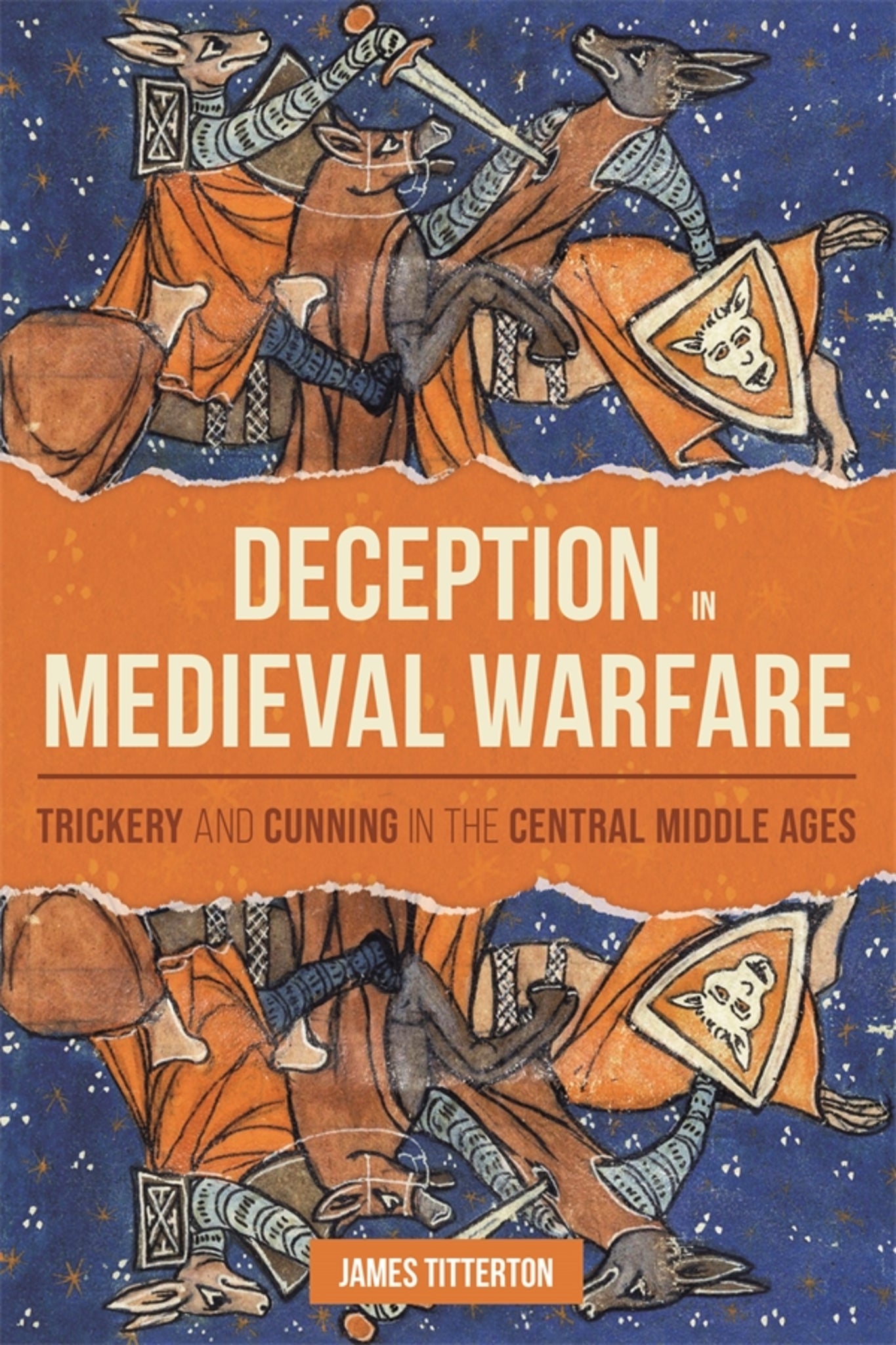
First full-length study of the use and perception of deceit in medieval warfare.
Deception and trickery are a universal feature of warfare, from the Trojan horse to the inflatable tanks of the Second World War. The wars of the Central Middle Ages (c. 1000-1320) were no exception. This book looks at the various tricks reported in medieval chronicles, from the Normans feigning flight at the battle of Hastings (1066) to draw the English off Senlac Hill, to the Turks who infiltrated the Frankish camp at the Field of Blood (1119) disguised as bird sellers, to the Scottish camp followers descending on the field of Bannockburn (1314) waving laundry as banners to mimic a division of soldiers. This study also considers what contemporary society thought about deception on the battlefield: was it a legitimate way to fight? Was cunning considered an admirable quality in a warrior? Were the culturally and religious "other" thought to be more deceitful in war than Western Europeans?
Through a detailed analysis of vocabulary and narrative devices, this book reveals a society with a profound moral ambivalence towards military deception, in which authors were able to celebrate a warrior's cunning while simultaneously condemning their enemies for similar acts of deceit. It also includes an appendix cataloguing over four hundred incidents of military deception as recorded in contemporary chronicle narratives.
Deception and trickery are a universal feature of warfare, from the Trojan horse to the inflatable tanks of the Second World War. The wars of the Central Middle Ages (c. 1000-1320) were no exception. This book looks at the various tricks reported in medieval chronicles, from the Normans feigning flight at the battle of Hastings (1066) to draw the English off Senlac Hill, to the Turks who infiltrated the Frankish camp at the Field of Blood (1119) disguised as bird sellers, to the Scottish camp followers descending on the field of Bannockburn (1314) waving laundry as banners to mimic a division of soldiers. This study also considers what contemporary society thought about deception on the battlefield: was it a legitimate way to fight? Was cunning considered an admirable quality in a warrior? Were the culturally and religious "other" thought to be more deceitful in war than Western Europeans?
Through a detailed analysis of vocabulary and narrative devices, this book reveals a society with a profound moral ambivalence towards military deception, in which authors were able to celebrate a warrior's cunning while simultaneously condemning their enemies for similar acts of deceit. It also includes an appendix cataloguing over four hundred incidents of military deception as recorded in contemporary chronicle narratives.

Price: $31.00
Pages: 292
Publisher: Boydell & Brewer Inc.
Imprint: Boydell Press
Publication Date:
05 March 2024
Trim Size: 9.21 X 6.14 in
ISBN: 9781837651313
Format: Paperback
This is a fascinating examination of what was clearly a key part of medieval warfare, giving us a good idea of how deception was seen at the time, how common it was, and how varied the types of deception used were.
— HISTORY OF WAR.ORG
— HISTORY OF WAR.ORG
Introduction
Trickery in Medieval Culture: Source and Problems
Military Intelligence: Misdirection, Misinformation and Espionage
The Element of Surprise: Ambushes and Night Raids
The Feigned Flight
Disguises
Bribes and Inducements
Oaths and Truces
The Language of Deception
The Morality of Deception
Conclusion
Appendix - Taxonomy of Deceptions in Medieval Chronicles
Trickery in Medieval Culture: Source and Problems
Military Intelligence: Misdirection, Misinformation and Espionage
The Element of Surprise: Ambushes and Night Raids
The Feigned Flight
Disguises
Bribes and Inducements
Oaths and Truces
The Language of Deception
The Morality of Deception
Conclusion
Appendix - Taxonomy of Deceptions in Medieval Chronicles