


Some error occured while loading the Quick View. Please close the Quick View and try reloading the page.
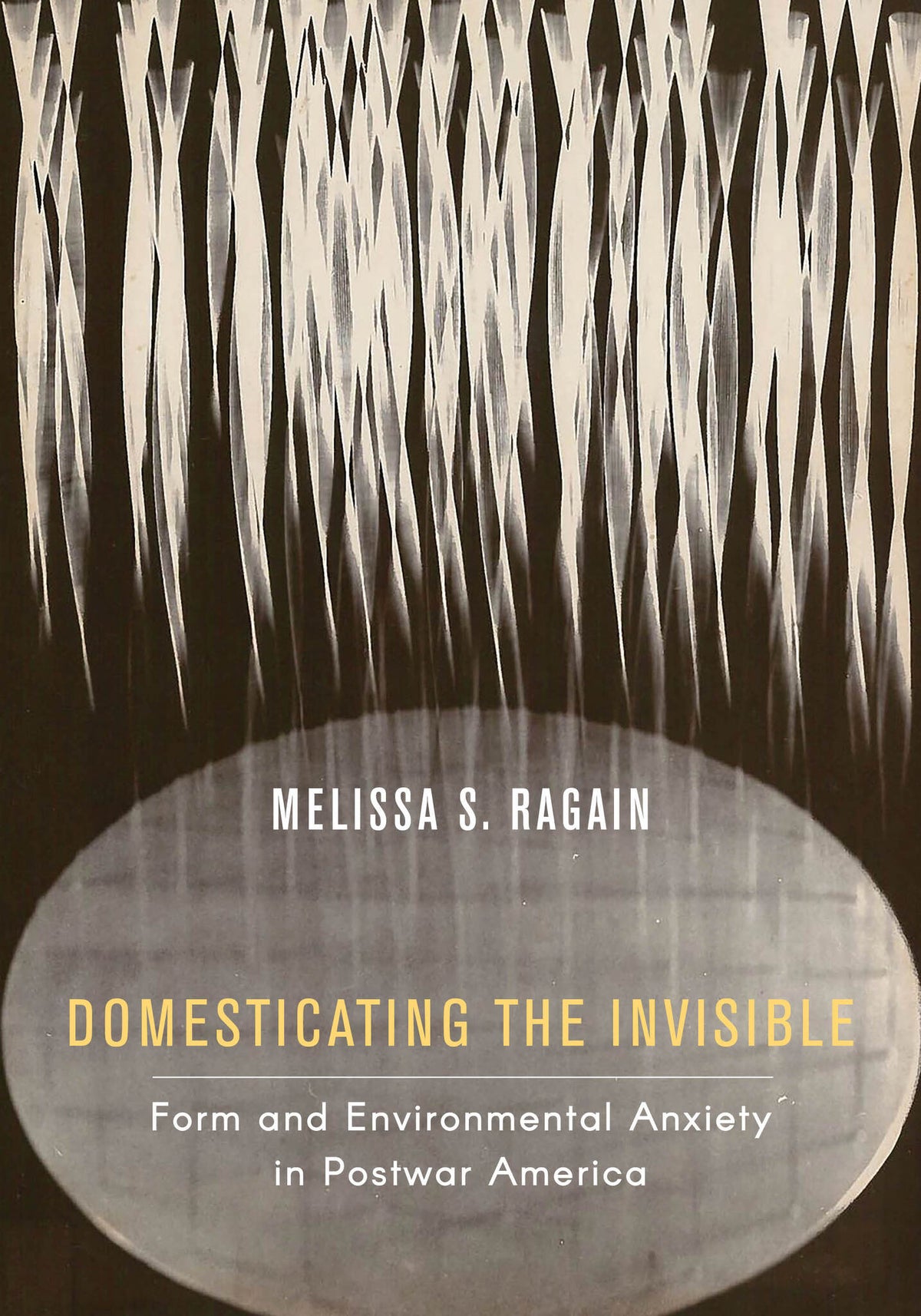
Domesticating the Invisible examines how postwar notions of form developed in response to newly perceived environmental threats, in turn inspiring artists to model plastic composition on natural systems often invisible to the human eye. Melissa S. Ragain focuses on the history of art education in Cambridge, Massachusetts, to understand how an environmental approach to form inspired new art programs at Harvard and MIT. As they embraced scientistic theories of composition, these institutions also cultivated young artists as environmental agents who could influence urban design and contribute to an ecologically sensitive public sphere. Ragain combines institutional and intellectual histories to map how the emergency of environmental crisis altered foundational modernist assumptions about form, transforming questions about aesthetic judgment into questions about an ethical relationship to the environment.

Introduction
1. Visual Field Theory: Nature and Composition in Twentieth-Century Boston
2. Reality’s Invisible: Visual and Environmental Studies at Harvard
3. The Arts of Environment: The Center for Advanced Visual Studies, MIT
4. Eco-Art and Rudolf Arnheim’s Cellular Metaphor
5. Jack Burnham and the "Disposable Transient Environment"
Notes
Selected Bibliography
List of Illustrations
Index