


Some error occured while loading the Quick View. Please close the Quick View and try reloading the page.
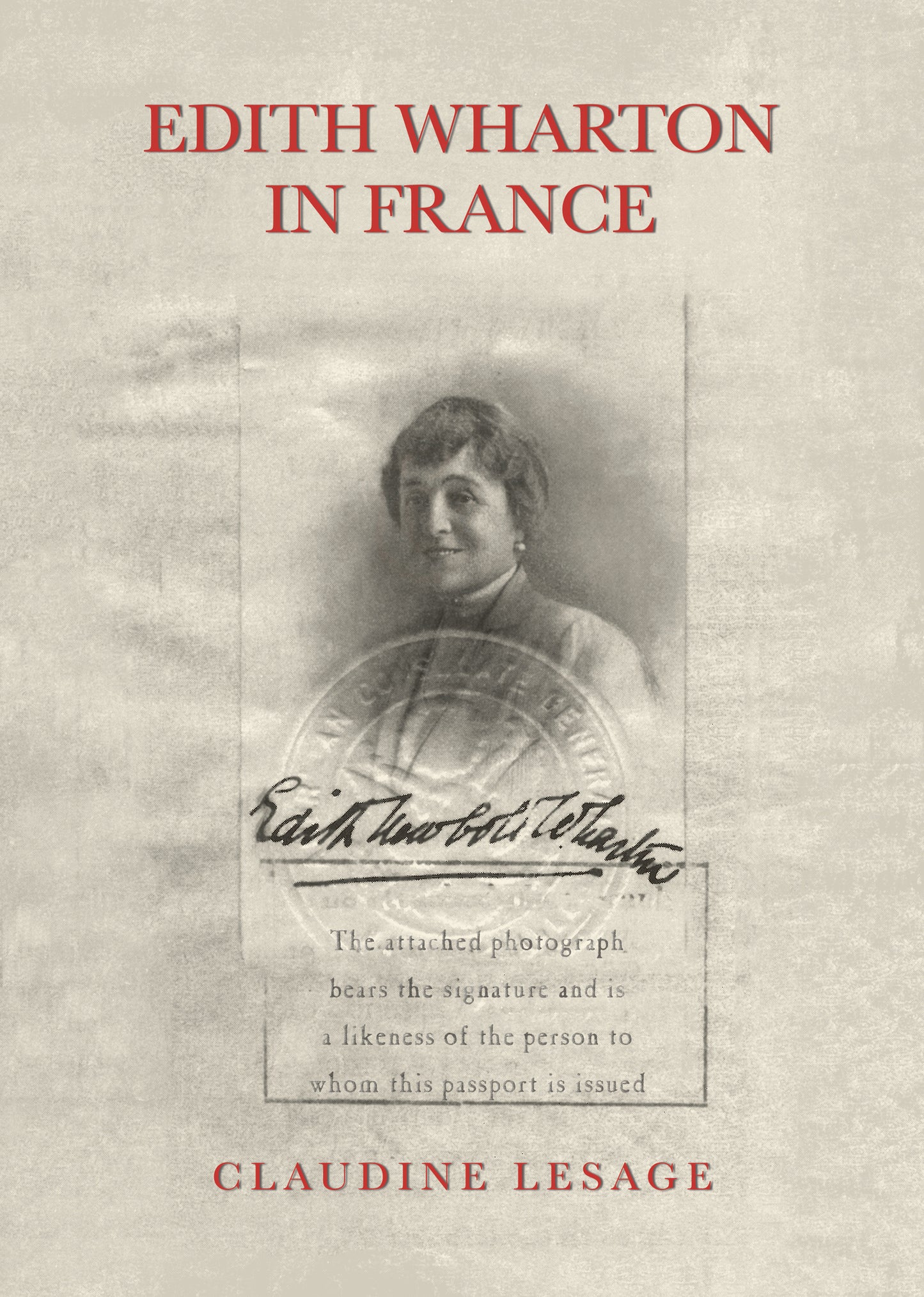
Edith Wharton in France chronicles Edith Wharton’s dogged efforts to penetrate the Byzantine levels of French high society, her love for the French and Italian countryside, and her consuming passion for the Mediterranean garden. While Lesage is initially skeptical of Wharton’s ability to “become French,” this work ultimately portrays a woman of indomitable spirit who ultimately succeeds in fashioning a French home of her own making in her beloved adopted country.
Lesage’s work illuminates the intertwined characters and important relationships of Wharton’s life in France, many of them overlooked or minimized in earlier biographies. Prominently featured in the account are the French novelist Paul Bourget and his wife Minnie, whose meticulous diary entries over a 35-year period provide a fresh look at Wharton’s active social life both in Paris and on the French Riviera.
A still more intimate look into Wharton’s French circle is provided by her extensive correspondence with the Frenchman Léon Bélugou, a widely travelled mining engineer, writer and well-known figure in Parisian high society. Spanning more than 25 years, the letters portray a mutual intellectual kinship and devoted friendship. Other newly discovered highlights include letters presented as evidence in Wharton’s French divorce proceedings, a mysterious autobiographical essay written by Wharton’s lover, American journalist Morton Fullerton, and numerous photographs never before published.
The author of multiple works of translation, as well original French texts on Wharton and Conrad, Lesage had access to unexamined and untranslated French sources. She presents Wharton’s life from the perspective of a native French woman, capturing a unique view of Wharton trying to navigate through the ancient layers of French society and master its often maddeningly obscure rules, all the while commenting on the horrors of World War I and the cataclysmic changes in the arts and culture of Paris.

-Megan Marshall, Pulitzer Prize-winning author of Margaret Fuller: A New American Life
“This view of Edith Wharton, from a new, French, perspective, not only fleshed out, but in some instances completely upended, what I already knew of the author from my research. There are sparkling new insights here.” -Connie Woolridge, author of The Brave Escape of Edith Wharton
“Claudine Lesage's inspired sleuthing has produced thrilling new material no Wharton scholar can afford to miss. Edith Wharton in France will also intrigue a wider readership with its crucial additions to known facts about Wharton's overseas friendships and its provocative argument that gardening was as important as writing to the great novelist during her last years.”
-Diane Jacobs, New York Times notable book author of Dear Abigail: The Intimate Lives and Revolutionary Ideas of Abigail Adams and her Two Remarkable Sisters
After publishing the journal as The Cruise of the Vanadis, Lesage probed further into Wharton’s work and her life, concentrating on the American writer’s French years. Lesage translated several Wharton short stories; edited Lettres a l'ami Francais (2001); and authored Edith Wharton en France (2011).
Dr. Lesage died in 2013 before she could publish her final manuscript, a work on Wharton’s life in France intended for an American audience.