


Some error occured while loading the Quick View. Please close the Quick View and try reloading the page.
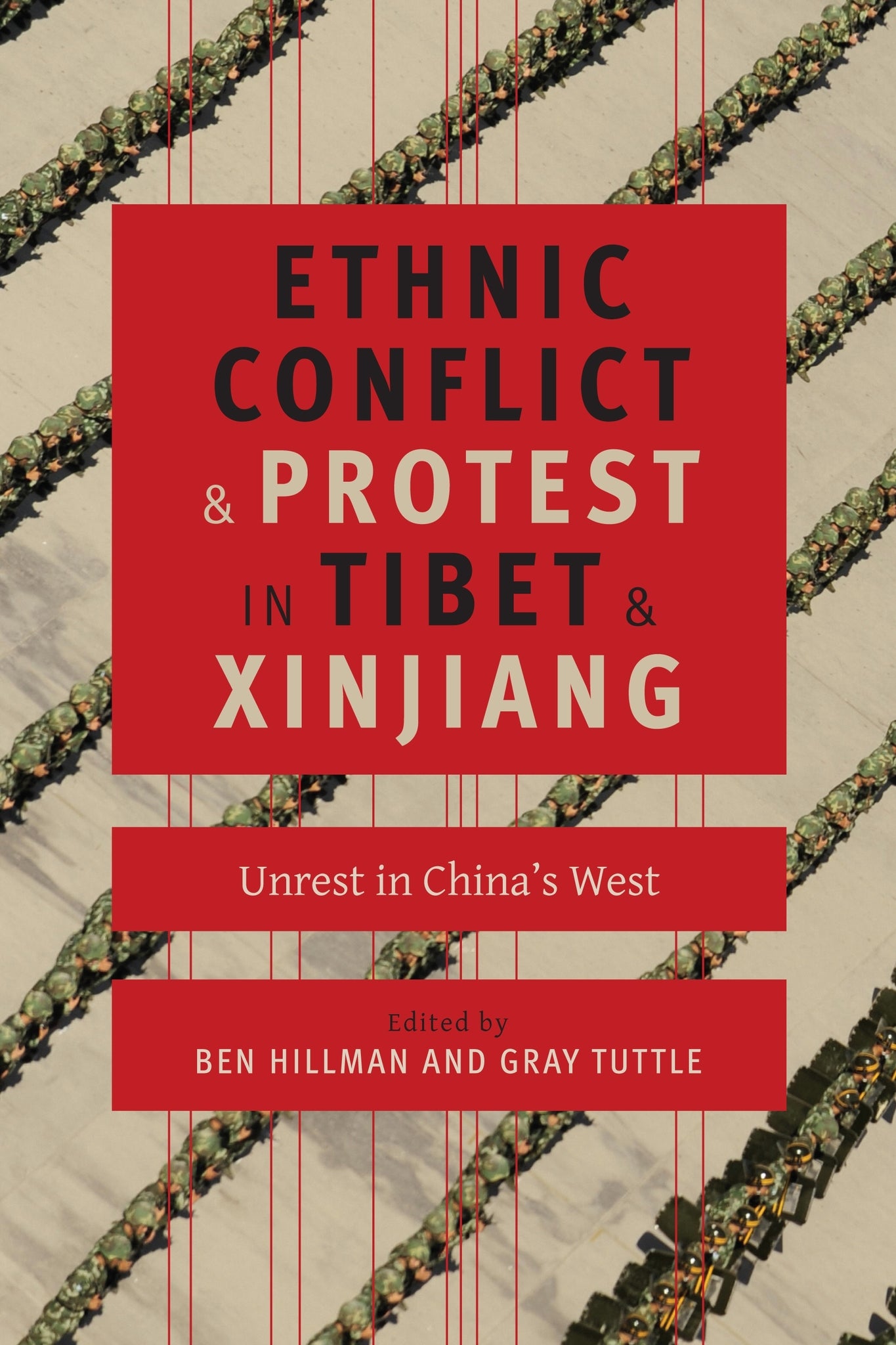
Despite more than a decade of rapid economic development, rising living standards, and large-scale improvements in infrastructure and services, China's western borderlands are awash in a wave of ethnic unrest not seen since the 1950s. Through on-the-ground interviews and firsthand observations, the international experts in this volume create an invaluable record of the conflicts and protests as they have unfolded—the most extensive chronicle of events to date. The authors examine the factors driving the unrest in Tibet and Xinjiang and the political strategies used to suppress them. They also explain why certain areas have seen higher concentrations of ethnic-based violence than others.
Essential reading for anyone struggling to understand the origins of unrest in contemporary Tibet and Xinjiang, this volume considers the role of propaganda and education as generators and sources of conflict. It links interethnic strife to economic growth and connects environmental degradation to increased instability. It captures the subtle difference between violence in urban Xinjiang and conflict in rural Tibet, with detailed portraits of everyday individuals caught among the pressures of politics, history, personal interest, and global movements with local resonance.

Ben Hillman is director of the Policy and Governance Program at the Crawford School of Public Policy, Australian National University. He has also worked as an adviser to the United Nations on postconflict governance and the inclusion of minority groups in political processes. His books include Patronage and Power: Local State Networks and Party-State Resilience in Rural China (2014).
Gray Tuttle is the Leila Hadley Luce Professor of Modern Tibetan Studies in the Department of East Asian Languages and Cultures at Columbia University. His Columbia University Press books include The Tibetan History Reader (2013), Sources of Tibetan Tradition (2012), and Tibetan Buddhists in the Making of Modern China (2005).
Introduction: Understanding the Current Wave of Conflict and Protest in Tibet and Xinjiang, by Ben Hillman
1. Unrest in Tibet and the Limits of Regional Autonomy, by Ben Hillman
2. Propaganda in the Public Square: Communicating State Directives on Religion and Ethnicity to Uyghurs and Tibetans in Western China, by Antonio Terrone
3. Discussing Rights and Human Rights in Tibet, by Françoise Robin
4. The Chinese Education System as a Source of Conflict in Tibetan Areas, by Clémence Henry
5. Lucrative Chaos: Interethnic Conflict as a Function of the Economic "Normalization" of Southern Xinjiang, by Thomas Cliff
6. Environmental Issues and Conflict in Tibet, by Yonten Nyima and Emily T. Yeh
7. Fringe Existence: Uyghur Entrepreneurs and Ethnic Relations in Urban Xinjiang, by Tyler Harlan
8. Prosperity, Identity, Intra-Tibetan Violence, and Harmony in Southeast Tibet: The Case of Gyalthang, by Eric Mortensen
9. Interethnic Conflict in the PRC: Xinjiang and Tibet as Exceptions?, by James Leibold
Contributors
Index