


Some error occured while loading the Quick View. Please close the Quick View and try reloading the page.
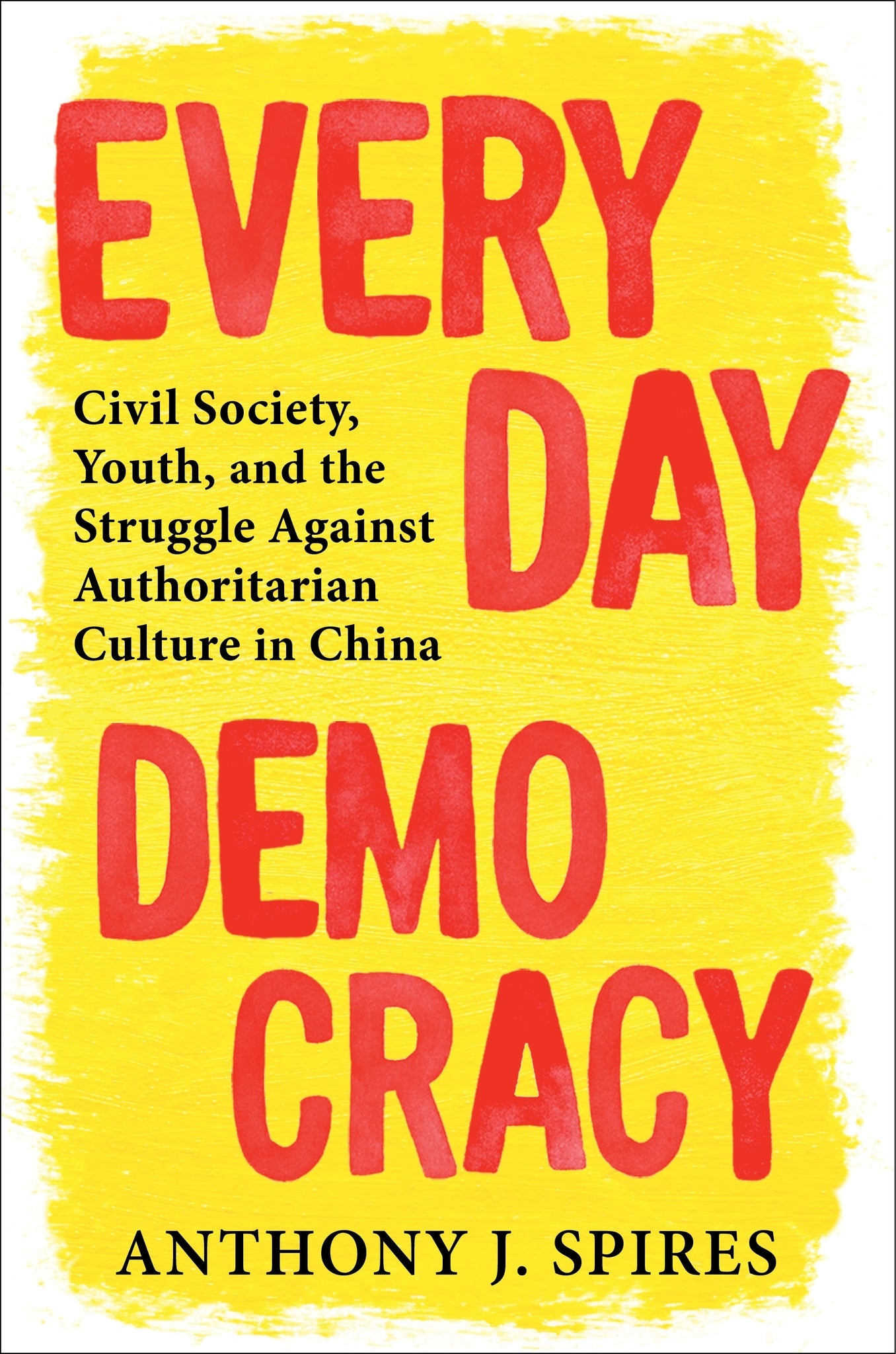
Bottom-up voluntary associations, it is commonly thought, are among the fundamental building blocks of democracy, preparing people for engaged citizenship. A great deal of interest in Chinese civil society is premised on the idea that such groups might foster the emergence of democracy. But in a society where virtually all major institutions—from schools to workplaces to government—bear the deep imprint of authoritarian rule, can voluntary associations still spur social and political change?
Everyday Democracy is a groundbreaking study of bottom-up organizations in China, arguing that even in an authoritarian state, they nurture the skills and habits of democracy. Anthony J. Spires offers an in-depth look at two youth-based, youth-led volunteer groups, showing how their values and practices point the way toward the emergence of new, more democratic forms of association. In mainstream Chinese organizational life, even in grassroots civil society groups, hierarchy and autocracy are pervasive. In these groups, however, ideals of equality, mutual respect, and dignity have motivated young people to invent new practices and norms that contrast greatly with typical top-down organizational culture. Drawing on more than a decade of field-based research with a diverse array of participants, Everyday Democracy pinpoints the seeds of a democratic culture inside an authoritarian regime.

Acknowledgments
I. Overview and Background
Introduction
1. Democracy in China: A Century of Debate
II. The Authoritarian Status Quo
2. Civil Society Under Hegemonic Authoritarianism
3. Struggling to Come Together as Equals
III. Youth-Led Voluntary Associations as Crucibles of a Democratic Counterhegemony
4. Rejecting Formalism: Alternative Narratives of Volunteering
5. Equality as Culture and Practice
6. Handling Differences of Opinion and Building Consensus
7. Nurturing the Skills and Habits of Democracy
8. (S)Electing Leaders
9. Selecting Newcomers and Screening for Common Values
IV. Conclusion and Implications
Conclusion: Implications for Democratic Development in China and Beyond
Appendix: Some Reflections on Fieldwork, Re-presentation, and Ethics
Notes
References
Index