


Some error occured while loading the Quick View. Please close the Quick View and try reloading the page.
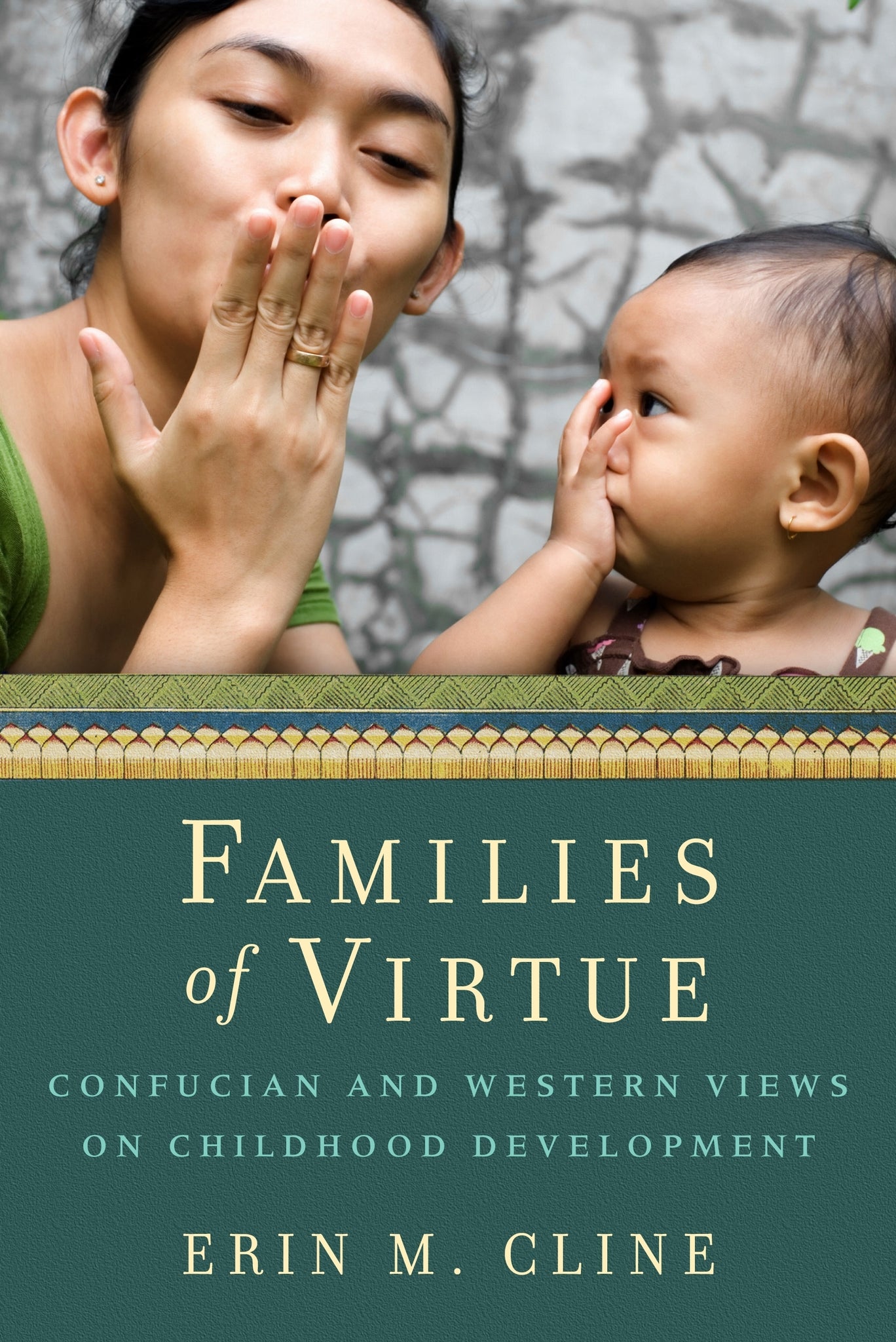
Families of Virtue articulates the critical role of the parent–child relationship in the moral development of infants and children. Building on thinkers and scientists across time and disciplines, from ancient Greek and Chinese philosophers to contemporary feminist ethicists and attachment theorists, this book takes an effective approach for strengthening families and the character of children.
Early Confucian philosophers argue that the general ethical sensibilities we develop during infancy and early childhood form the basis for nearly every virtue and that the parent–child relationship is the primary context within which this growth occurs. Joining these views with scientific work on early childhood, Families of Virtue shows how Western psychology can reinforce and renew the theoretical underpinnings of Confucian thought and how Confucian philosophers can affect positive social and political change in our time, particularly in such areas as paid parental leave, breastfeeding initiatives, marriage counseling, and family therapy.

Acknowledgments
Introduction
Part I. What Did Early Confucian Philosophers Think About Parent-Child Relationships, Early Childhood, and Moral Cultivation?
1. Moral Cultivation, Filial Piety, and the Good Society in Classical Confucian Philosophy
2. Infants, Children, and Early Confucian Moral Cultivation
II. How Are Early Confucian Views of Parent-Child Relationships, Early Childhood, and Moral Cultivation Distinctive, Compared with Views in the History of Western Philosophy?
3. Parents, Children, and Moral Cultivation in Traditional Western Philosophy
4. Feminist and Confucian Perspectives on Parents, Children, and Moral Cultivation
III. Why Do Confucian Views of the Relationship Between Parent-Child Relationships, Early Childhood, and Moral Cultivation Warrant Serious Consideration, and What Can They Contribute to Our Understanding of These Areas?
5. Early Childhood Development and Evidence-Based Approaches to Parents, Children, and Moral Cultivation
6. The Humanities at Work: Confucian Resources for Social and Policy Change
Conclusion
Notes
Bibliography
Index