Skip to product information
1 of 1

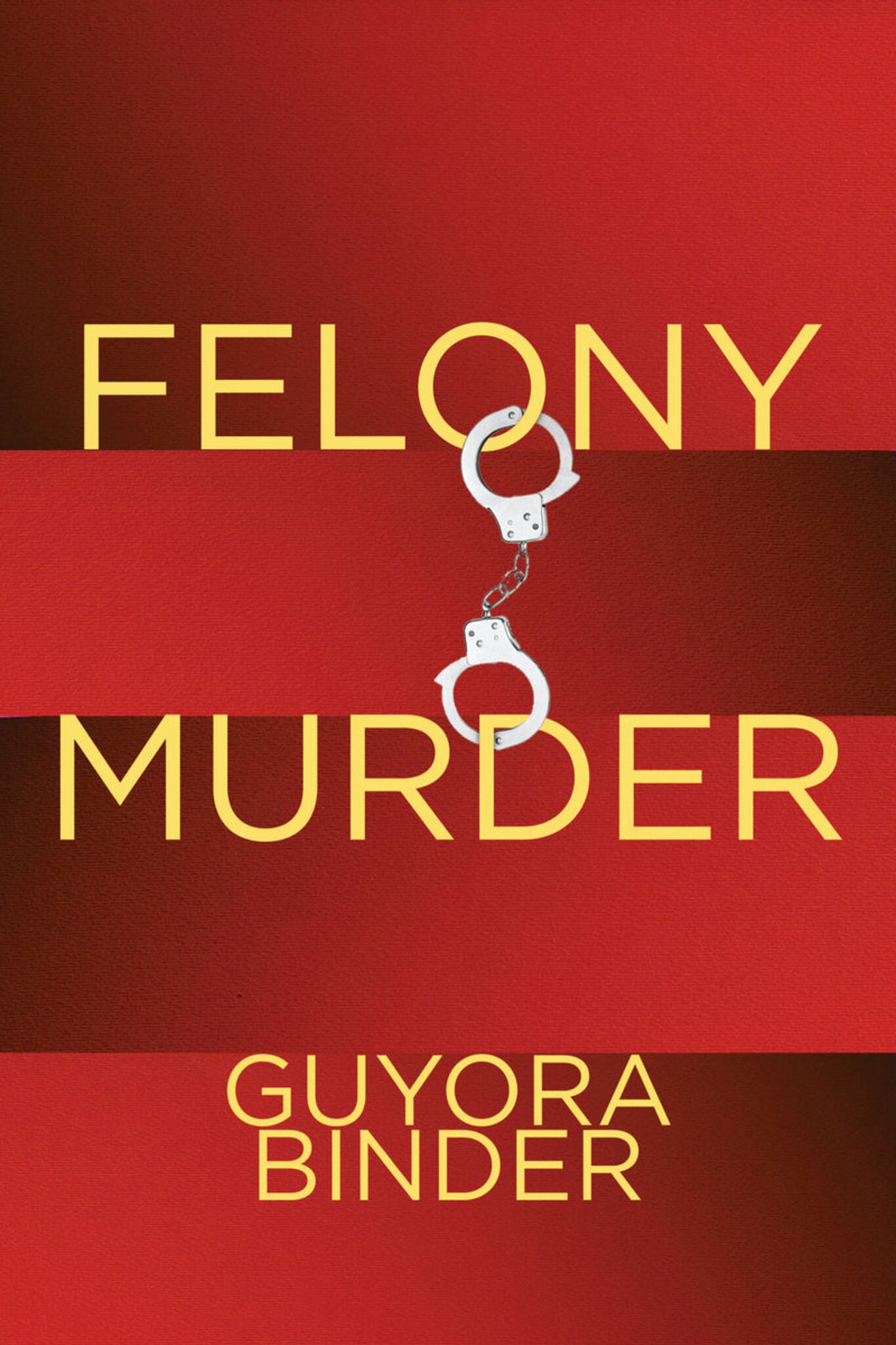
Felony Murder

Regular price $38.00
Sale price $38.00 Regular price $38.00
Sale Sold out
This book identifies a principle distinguishing justified from unjustified applications of the felony murder doctrine and shows how felony murder law should be reformed in light of that principle.
  • Format:
  • 09 May 2012
View Product Details

The felony murder doctrine is one of the most widely criticized features of American criminal law. Legal scholars almost unanimously condemn it as irrational, concluding that it imposes punishment without fault and presumes guilt without proof. Despite this, the law persists in almost every U.S. jurisdiction.

Felony Murder is the first book on this controversial legal doctrine. It shows that felony murder liability rests on a simple and powerful idea: that the guilt incurred in attacking or endangering others depends on one's reasons for doing so. Inflicting harm is wrong, and doing so for a bad motive—such as robbery, rape, or arson—aggravates that wrong. In presenting this idea, Guyora Binder criticizes prevailing academic theories of criminal intent for trying to purge criminal law of moral judgment. Ultimately, Binder shows that felony murder law has been and should remain limited by its justifying aims.

files/i.png Icon
Price: $38.00
Pages: 368
Publisher: Stanford University Press
Imprint: Stanford Law Books
Series: Critical Perspectives on Crime and Law
Publication Date: 09 May 2012
Trim Size: 9.00 X 6.00 in
ISBN: 9780804755368
Format: Paperback
BISACs:

"Binder has authored an intriguing, inventive, and well-detailed book on felony murder. He uses law, history, politics, and related social sciences to demonstrate the philosophical complexity of the felony murder rule, often ignored by scholars . . . This inventive and highly philosophical book is best suited for lawyers, graduate students, scholars, and those generally interested in the philosophy of law . . . Recommended."
Guyora Binder is SUNY Distinguished Professor at the State University of New York at Buffalo Law School. He is the coauthor of Criminal Law: Cases and Materials (2008, Sixth Edition) and Literary Criticisms of Law (2000).