


Some error occured while loading the Quick View. Please close the Quick View and try reloading the page.
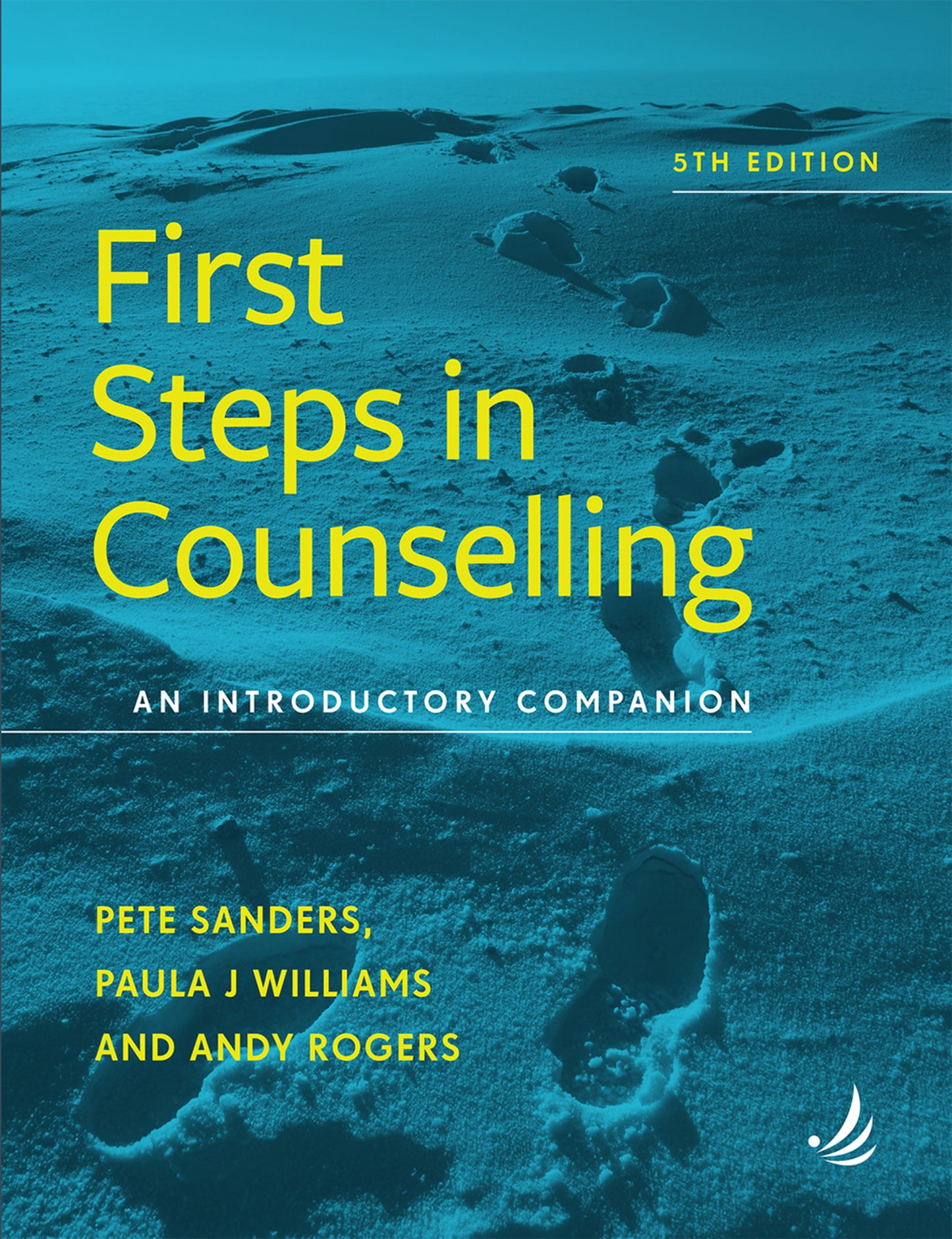
First Steps in Counselling is essentially a book about helping. This fifth edition has been thoroughly revised and updated to reflect changes in the role and practice of counselling in the 21st century. It is for anyone thinking of becoming a counsellor, working or volunteering in a role that requires helping and listening skills, or simply caring for someone. It explains in clear language what counselling is, the theories on which it is based, how it works and how it is positioned in relation to contemporary debates about culture, politics, language, race and power. This is not a ‘how to help’ manual; rather it is a questioning, curious, explorative and challenging companion. It aims to be your guide along whichever route you are taking, answer your questions and help you decide if you want to take your interest in counselling to the next steps. First Steps in Counselling remains the text of choice for students and tutors of introductory courses. With contributions from Eugene Ellis, Igi/Lyndsey Moon and Clare Shaw.

Price: $31.50
Pages: 288
Publisher: Global Book Sales
Imprint: PCCS Books
Series: Steps in Counselling
Publication Date:
15 June 2021
Trim Size: 9.69 X 7.44 in
ISBN: 9781910919385
Format: Paperback
BISACs:
Pete Sanders spent over 30 years practising as a counsellor, educator and clinical supervisor. He has written, co-written and edited numerous books, chapters and papers on many aspects of counselling, psychotherapy and mental health.
Acknowledgements, Preface, Dedications, About the authors, 1. First steps, 2. What is counselling? 3. The importance of self-development, 4a. Where do ideas in counselling come from? 4b. Psychoanalysis, 4c. Behavioural and cognitive approaches, 4d. Humanistic psychology, 4e. Integrative approaches, 5. Counselling attitudes and skills: Ways of being a helper, 6. Clients: Who they are and what they bring, 7. Power and oppression, 8. Ethics for counselling-informed helping, 9. Limits: what they are and what to do when you reach them, 10. Support for basic helping, 11. Counselling connections and settings, 12. Questions for counselling in the 21st century, 13. What comes next? 14. Endings.