


Some error occured while loading the Quick View. Please close the Quick View and try reloading the page.
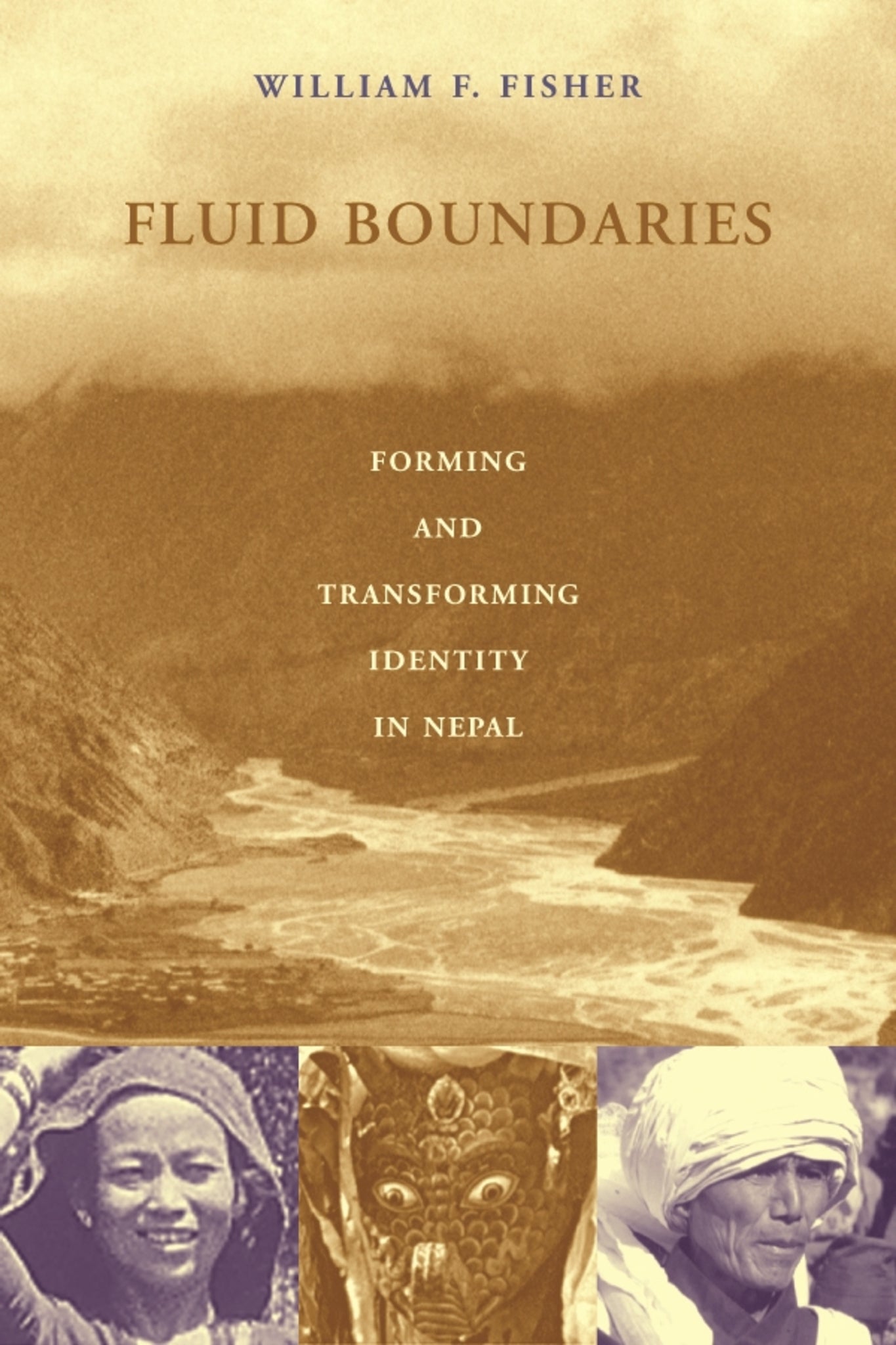
More than an ethnography, this book clarifies one of the most important current debates in anthropology: How should anthropologists regard culture, history, and the power process?
Since the 1980s, the Thakali of Nepal have searched for an identity and a clarification of their "true" culture and history in the wake of their rise to political power and achievement of economic success. Although united in this search, the Thakali are divided as to the answers that have been proposed: the "Hinduization" of religious practices, the promotion of Tibetan Buddhism, the revival of practices associated with the Thakali shamans, and secularization.
Ironically, the attempts by the Thakali to define their identity reveal that to return to tradition they must first re-create it—but this process of re-creation establishes it in a way in which it has never existed. To return to "tradition"—to become Thakali again—is, in a way, to become Thakali for the very first time.

List of Maps and Tables
Preface
Acknowledgments
1. Introduction: Thakali Again for the Very First Time
2. Drawing Lines: On Constructing and Contesting Boundaries
3. Forging Histories
4. Separation and Integration: Community and Contestation
5. Ritual Landscapes
6. Codifying Culture
7. Constructing Thakali
8. Beyond Sanskritization
9. Old Artificers in a New Smithy
Notes
Glossary
Works Cited
Index