


Some error occured while loading the Quick View. Please close the Quick View and try reloading the page.
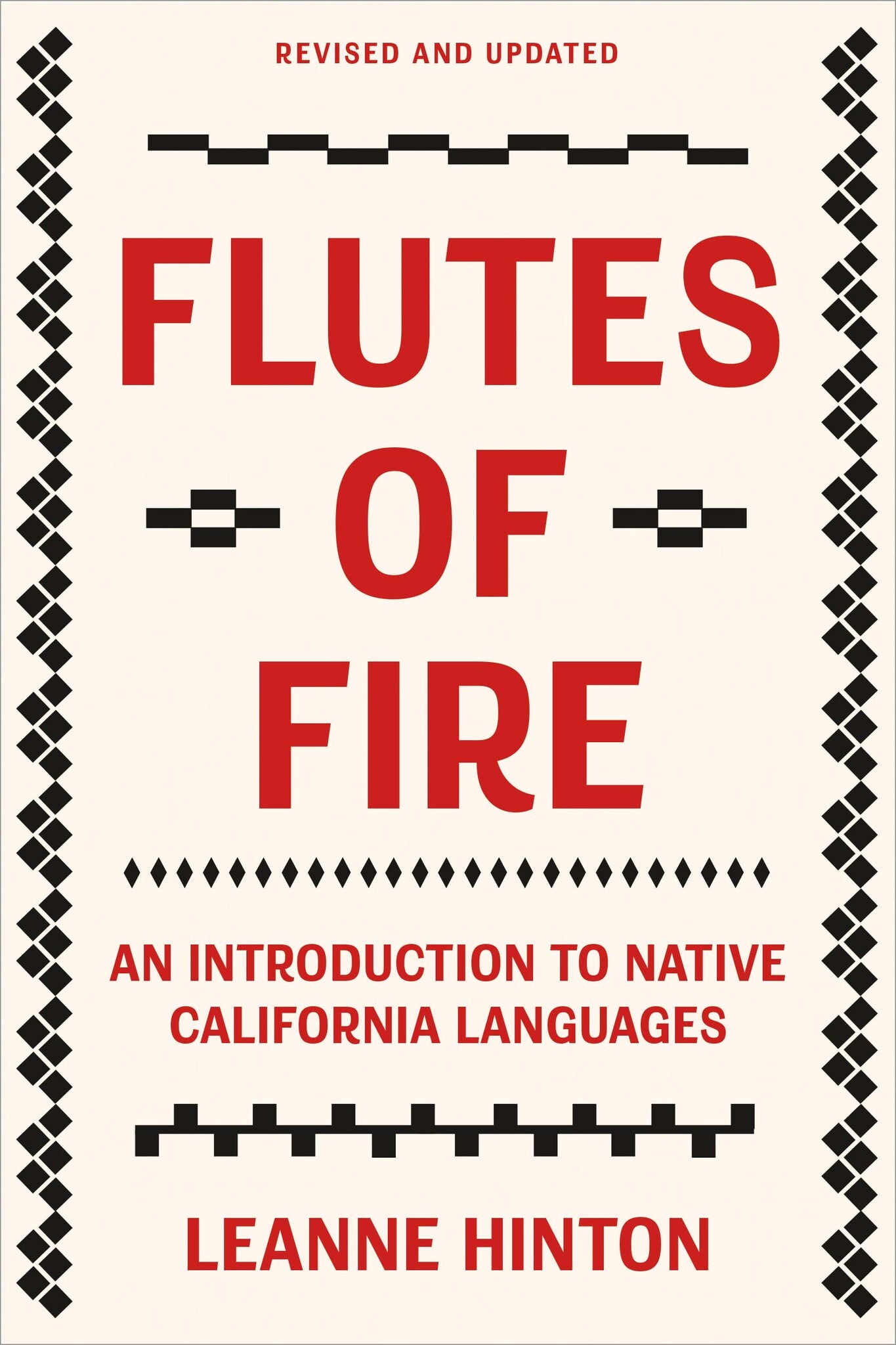
An essential book on California’s Indigenous languages, updated for the first time in over 25 years.
Before outsiders arrived, about one hundred distinct Indigenous languages were spoken in California, and many of them are in use today. Since its original publication in 1994, Flutes of Fire has become one of the classic books about California’s many Native languages. It is written to be approachable, entertaining, and informative—useful for people doing language revitalization work in their own communities, for linguists, and for a general readership interested in California’s rich cultural heritage. With significant updates by the author, this is the first new edition of Flutes of Fire in over 25 years. New chapters highlight the exciting efforts of language activists in recent times, as well as contemporary writing in several of California’s Native languages. Both a practical guide and a joy to read, Flutes of Fire is an essential book for anyone who cares about the Indigenous languages of California and their flourishing for many generations to come.

Leanne Hinton is professor emerita at the University of California, Berkeley, and a founding member of the board of the Advocates for Indigenous California Language Survival. She has authored many articles and several books on language revitalization, including Flutes of Fire: Essays on California Indian Languages; The Green Book of Language Revitalization in Practice (edited with Ken Hale); and How to Keep Your Language Alive: A Commonsense Approach to One-on-One Language Learning (with Matt Vera and Nancy Steele). She has worked with AICLS to develop and implement the Master-Apprentice Language Learning Program and the Breath of Life Language Workshops, both of which have expanded throughout the US and internationally. In 2005 she received the Cultural Freedom Award from the Lannan Foundation for her work on the revitalization of endangered languages. Leanne lives in Berkeley, California, with her husband, Gary Scott, and delights in family time with their four children and seven grandchildren.
Introduction: The California Mosaic
1. California’s First Languages
Part I: California Languages at Work and Play: Four Portraits
2. Song: Overcoming the Language Barrier
3. Coyote Talk
4. Upriver, Downriver: The Vocabulary of Direction
5. Language and the Structure of Thought
Part II: Language and History
6. What Language Can Tell us about History
7. Native Californian Names on the Land
8. History Through the Words Brought to California by the Fort Ross Colony (by Robert L. Oswalt)
Part III: Words
9. California Counting
10. Specialized Vocabulary in the Languages of California
11. “Slapping with the Mouth” and Other Interesting Words: Instrumental Prefixes in Kashaya
12. Men’s and Women’s Talk
13. Songs Without Words
Part IV: Language and Dominion
14. On the Origin of California Tribal Names
15. A Pinenut by Any Other Name
16. Languages Under Attack (with Vera Mae Fredrickson)
Part V: Writing and Documentation
17. Writing Systems
18. Ashes, Ashes: John Peabody Harrington—Then and Now
Part VI: New Speakers Carry the Torch
19. Rebuilding the Fire: Tribes Working Together to Save Their Languages
20. Stories of Language Reclamation
21. In Our Own Words
Acknowledgments
Appendix: Reference Guide to Linguistic Symbols
Bibliography
Index
About the Author