


Some error occured while loading the Quick View. Please close the Quick View and try reloading the page.
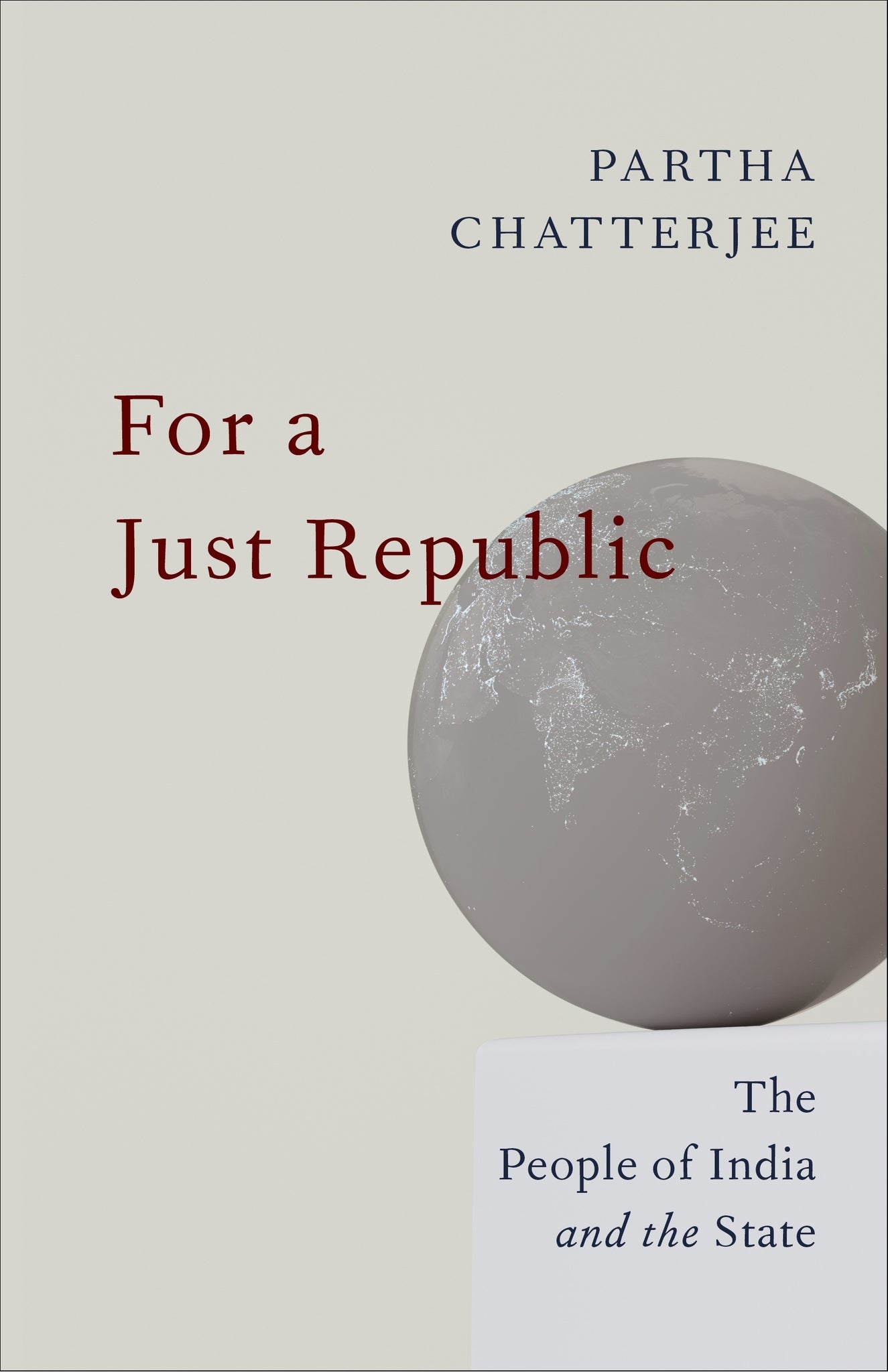
From the forging of a constitution for the postindependence republic to the reign of Narendra Modi’s Bharatiya Janata Party today, the idea of India as a nation-state has predominated. Yet the country encompasses a vast diversity of communities, regions, languages, and cultures, calling into question any unitary identity.
In this magisterial account of Indian politics over the past seventy-five years, the renowned scholar Partha Chatterjee challenges common notions of “state” and “nation,” arguing for a more capacious understanding of “the people.” He examines the varying trajectories of the Indian nation-state, as opposed to what he calls the “people-nation,” analyzing the complex connections between the two. Chatterjee offers a persuasive political-economic analysis of the transition from the time of developmental planning to the present era of capitalist dominance. He combines keen analysis of changing caste-class-gender formations in the country’s diverse regions with a close examination of the uneven spread of India’s capitalist economy.
By looking beyond the nation-state, this book unveils many hidden aspects of Indian politics today—and makes a powerful case for a future in which the federal system respects the equal worth of each part of the country.

— Pranab Bardhan, distinguished professor emeritus of economics, University of California, Berkeley
Preface
1 The Nation-State and the People-Nation
Part I. The Nation-State
2 The Limits of Liberal Government
3 The Political Management of Capital Accumulation
4 Who Is an Indian Citizen?
5 Justice: Procedural and Substantive
Part II. The People-Nation
6 A Federation of Peoples
7 Rights of Minorities
8 Capital and the Regional Distribution of Power
9 Class, Caste, and Gender Justice
Bibliography
Index