


Some error occured while loading the Quick View. Please close the Quick View and try reloading the page.
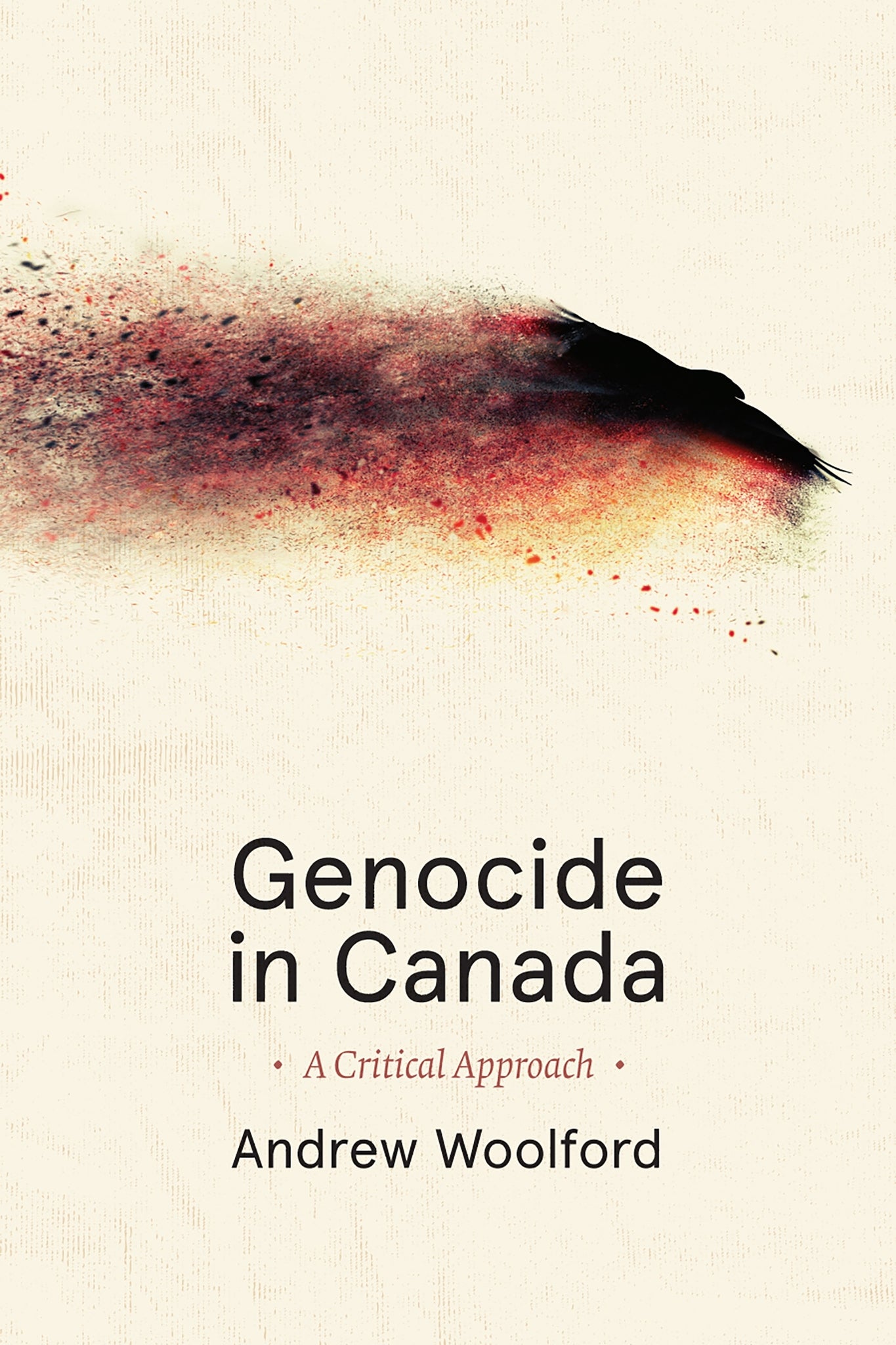
“Is it genocide?” Too often the answer to this question requires killing fields, death camps, gas chambers, and massacres. Genocide in Canada directs us instead to the relationships through which groups of people persist as a people. Andrew Woolford’s critical approach pinpoints the many forms of violence that can and are used to destroy peoples.
Woolford explores settler colonial genocide in Canada, overcoming the limitations of the traditional genocide concept and its legal formulation and demonstrating that settler colonialism threatens the existence of Indigenous Peoples. Framed as a sociology of collective life, this book focuses on assimilative education such as occurred through residential schools. It examines how the residential school system was implemented by the settler state to deal with the “Indian problem,” intending to destroy Indigenous Peoples’ culture and relationships with family and territory, to eliminate them as peoples. Woolford traces the genocide debate in Canada, illuminating the blind spots and assumptions that disguise settler colonial patterns of group destruction. He exposes the deeply flawed genocide denialist claims about residential schools as many cling to a redemptive story of Indigenous-settler relations that absolves Canada of anything more than a “dark chapter” or “mistakes.”

— Emma Lowman and Adam Barker, authors of Settler: Identity and Colonialism in 21st Century Canada
Chapter 1:: A Critical Approach to Genocide in Canada
Chapter 2:: “First I Must Tell you about the Genocide…”
Chapter 3:: The Colonization of Genocide
Chapter 4:: Genocide and Groups
Chapter 5:: The Perpetration of Settler Colonial Genocide in Canada
Chapter 6:: What Settler Colonial Genocide Destroys and What It Can’t Destroy
Chapter 7:: Unsettling Denial
Chapter 8:: Unsettling Genocide