


Some error occured while loading the Quick View. Please close the Quick View and try reloading the page.
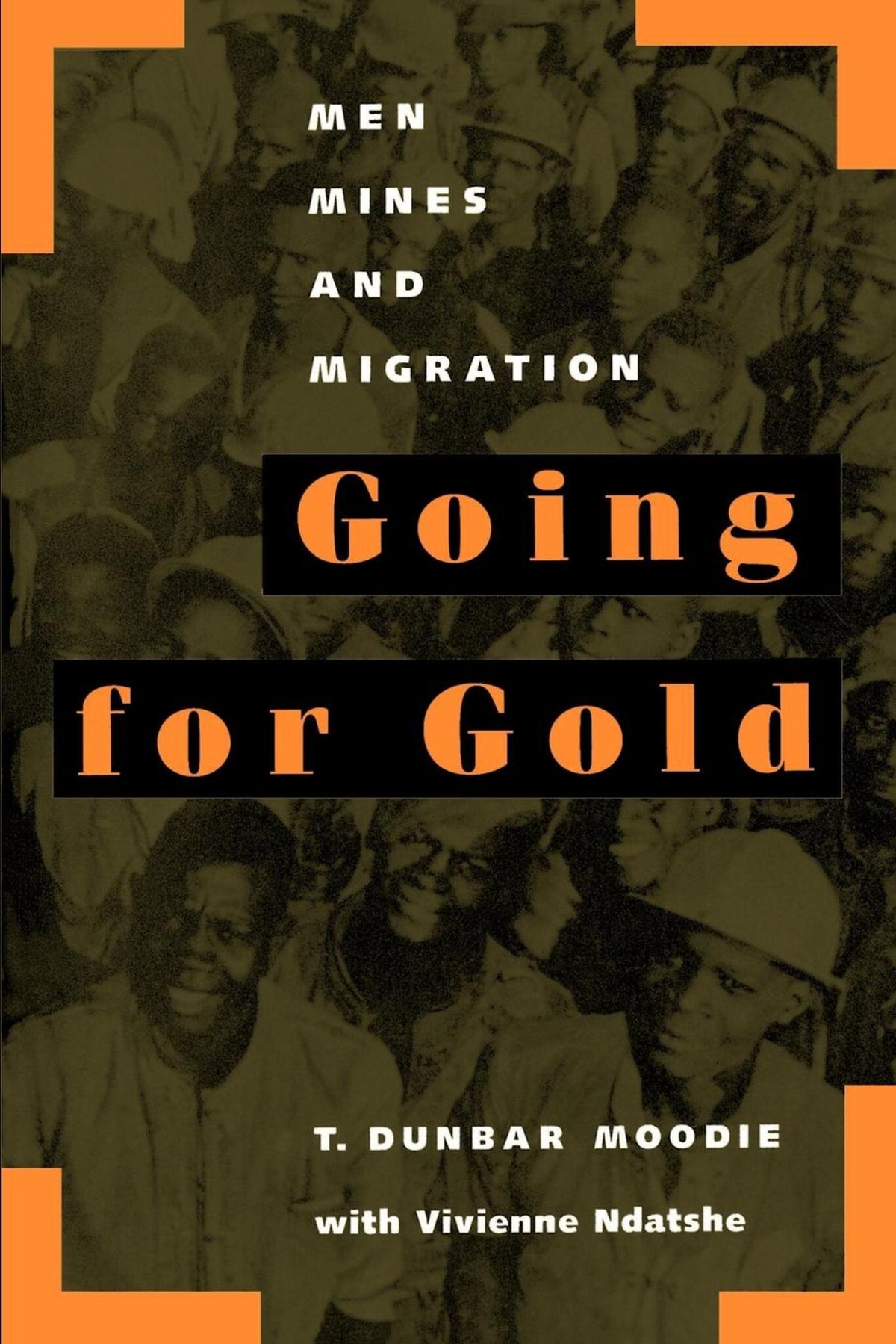
This book tells the story of the lives of migrant black African men who work on the South African gold mines, told from their own point of view and, as much as possible, in their own words. Dunbar Moodie examines the operation of local power structures and resistances, changes in production techniques, the limits and successes of unionization, and the nature of ethnic conflicts at different periods and on different terrains of struggle. He treats his subject thematically and historically, examining how notions of integrity, manhood, sexuality, work, power, solidarity, and violence have all changed over time, especially with the shift to a proletarianized work force on the mines in the 1970s. Moodie integrates analyses of individual life-strategies with theories of social change, illuminating the ways in which these play off each other in historically significant ways. He shows how human beings (in this case, African men) build integrity and construct their own social order, even in situations of apparent total repression.

Price: $34.95
Pages: 372
Publisher: University of California Press
Imprint: University of California Press
Series: Perspectives on Southern Africa
Publication Date:
27 September 1994
ISBN: 9780520086449
Format: Paperback
BISACs:
T. Dunbar Moodie is Professor of Sociology at Hobart and William Smith Colleges and the author of The Rise of Afrikanerdom (California, 1975). Vivienne Ndatshe is a former teacher who now works as a domestic servant. She grew up in Pondoland, where her father was a migrant gold miner. Her interviews with mine workers and their families added an essential dimension to this work.
Illustrations
Preface and Acknowledgments
Abbreviations
Introduction
ONE WORKER IDENTITIES: MIGRANT CULTURES,
SOCIAL NETWORKS, AND THE PRACTICE
OF PERSONAL INTEGRITY
TWO PRODUCTION POLITICS: WORKPLACE CONTROL
AND WORKER RESISTANCE
THREE CONFRONTATIONS AND COLLABORATIONS:
COMPOUND HEGEMONY AND MORAL ECONOMY
FOUR SEXUALITIES: VARIATIONS ON
A PATRIARCHAL THEME
FIVE CONVIVIALITIES: DRINKING PATTERNS
SIX FACTION FIGHTS: MINE-WORKER VIOLENCE
SEVEN SOLIDARITIES: PRACTICES OF UNIONIZATION
Conclusion
Glossary
References
Index
Preface and Acknowledgments
Abbreviations
Introduction
ONE WORKER IDENTITIES: MIGRANT CULTURES,
SOCIAL NETWORKS, AND THE PRACTICE
OF PERSONAL INTEGRITY
TWO PRODUCTION POLITICS: WORKPLACE CONTROL
AND WORKER RESISTANCE
THREE CONFRONTATIONS AND COLLABORATIONS:
COMPOUND HEGEMONY AND MORAL ECONOMY
FOUR SEXUALITIES: VARIATIONS ON
A PATRIARCHAL THEME
FIVE CONVIVIALITIES: DRINKING PATTERNS
SIX FACTION FIGHTS: MINE-WORKER VIOLENCE
SEVEN SOLIDARITIES: PRACTICES OF UNIONIZATION
Conclusion
Glossary
References
Index