


Some error occured while loading the Quick View. Please close the Quick View and try reloading the page.
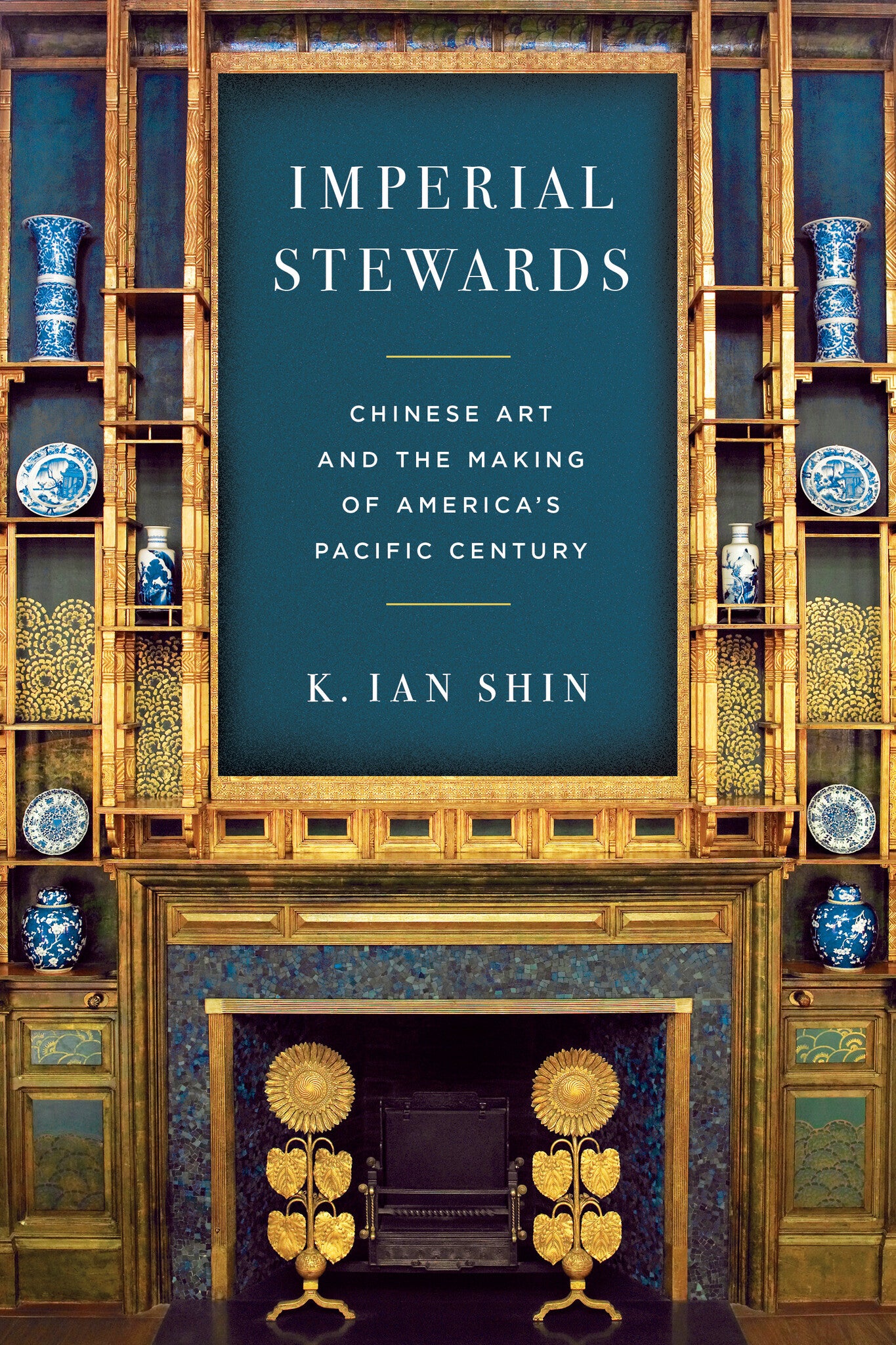
From the Gilded Age to World War II, elite collectors and museums in the United States transformed from owning a smattering of Chinese porcelain as curios to possessing some of the world's largest and most sophisticated collections of Chinese art. Imperial Stewards argues that, beyond aesthetic taste and economics, geopolitics were critical to this transformation. Collecting and studying Chinese art and antiquities honed Americans' belief that they should dominate Asia and the Pacific Ocean through the ideology of imperial stewardship—a view that encompassed both genuine curiosity and care for Chinese art, and the enduring structures of domination and othering that underpinned the burgeoning transpacific art market.
Tracing networks across both the Pacific and the Atlantic Oceans, K. Ian Shin uncovers a diverse cast of historical actors that both contributed to US imperial stewardship and also challenged it, including Protestant missionaries, German diplomats, Chinese-Hawaiian merchants, and Chinese overseas students, among others. By examining the development of Chinese art collecting and scholarship in the United States around the turn of the twentieth century, Imperial Stewards reveals both the cultural impetus behind Americans' long-standing aspirations for a Pacific Century and a way to understand—and critique—the duality of US imperial power around the globe.

Note on Translations and Names
Introduction
1. "Working in the Dark": Chinese Porcelains and the Gilded Age Roots of U.S. Imperial Stewardship
2. "Chinese Art of the Right Kind": From Collecting to Stewardship in the New Century
3. A Repository and Arsenal of Information: Imperializing U.S. Stewardship from the China Monuments Society to the Asiatic Institute, 1908–1915
4. "A Wonder of Another Breed": Chinese Exempt Classes and the Limits of U.S. Imperial Stewardship
5. "We Must Be Resigned to America Getting All the Fine Things": U.S. Imperial Stewardship in an Age of Global War
6. "Art Knows Neither Frontiers Nor Irregular Verbs": Consolidating U.S. Imperial Stewardship before World War II
Conclusion
Acknowledgments
Notes
Bibliography
Index