


Some error occured while loading the Quick View. Please close the Quick View and try reloading the page.
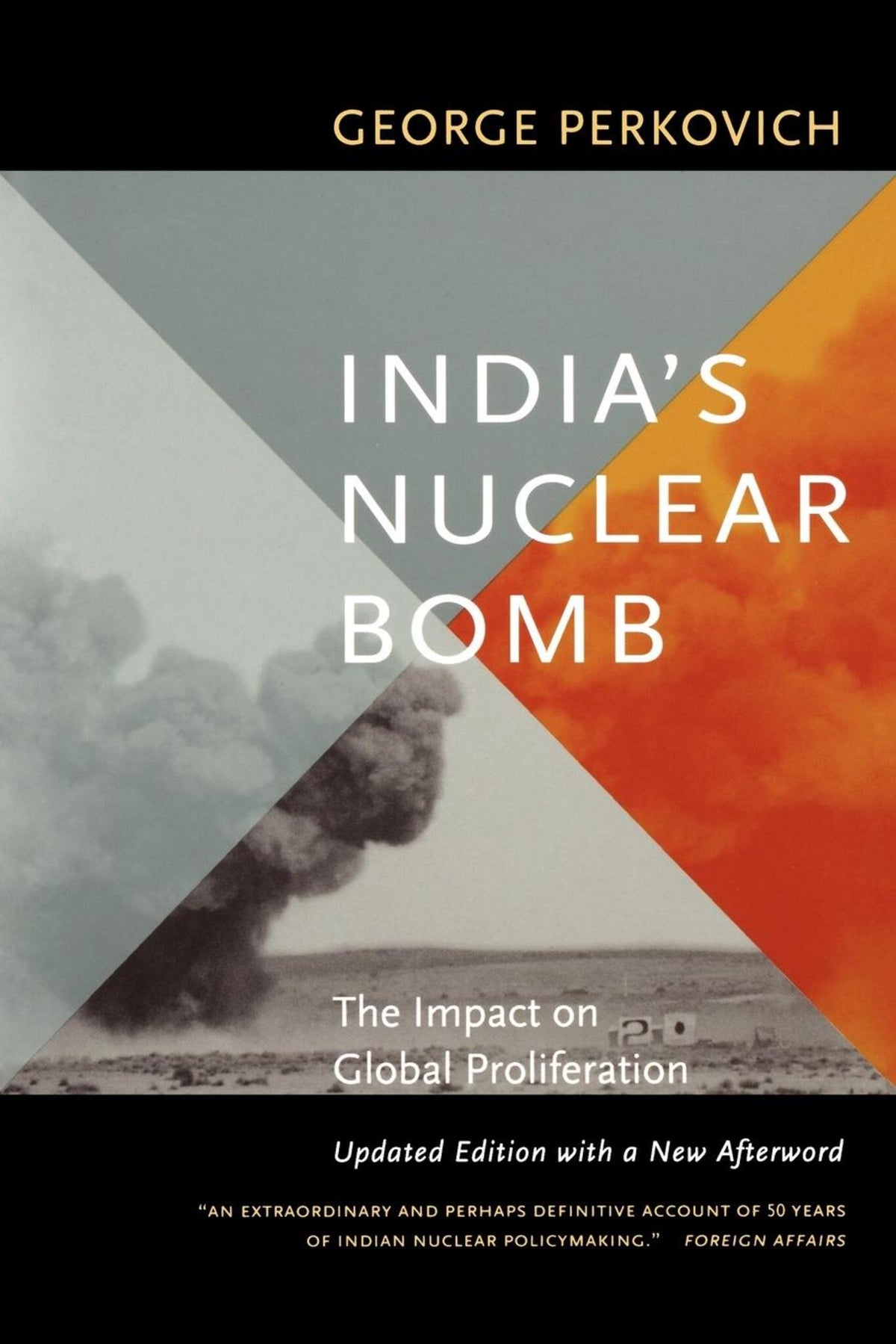
In May 1998, India shocked the world—and many of its own citizens—by detonating five nuclear weapons in the Rajasthan desert. Why did India bid for nuclear weapon status at a time when 149 nations had signed a ban on nuclear testing? What drove India's new Hindu nationalist government to depart from decades of nuclear restraint, a control that no other nation with similar capacities had displayed? How has U.S. nonproliferation policy affected India's decision making?
India's Nuclear Bomb is the definitive, comprehensive history of how the world's largest democracy, has grappled with the twin desires to have and to renounce the bomb. Each chapter contains significant historical revelations drawn from scores of interviews with India's key scientists, military leaders, diplomats and politicians, and from declassified U.S. government documents and interviews with U.S. officials. Perkovich teases out the cultural and ethical concerns and vestiges of colonialism that underlie India's seemingly paradoxical stance.
India's nuclear history challenges leading theories of why nations pursue and hang onto nuclear weapons, raising important questions for international relations theory and security studies. So, too, the blasts in Rajasthan have shaken the foundations of the international nonproliferation system. With the end of the Cold War and an even more chaotic international scene, Perkovich's analysis of an alternative model is timely, sobering, and vital.
India's Nuclear Bomb is the definitive, comprehensive history of how the world's largest democracy, has grappled with the twin desires to have and to renounce the bomb. Each chapter contains significant historical revelations drawn from scores of interviews with India's key scientists, military leaders, diplomats and politicians, and from declassified U.S. government documents and interviews with U.S. officials. Perkovich teases out the cultural and ethical concerns and vestiges of colonialism that underlie India's seemingly paradoxical stance.
India's nuclear history challenges leading theories of why nations pursue and hang onto nuclear weapons, raising important questions for international relations theory and security studies. So, too, the blasts in Rajasthan have shaken the foundations of the international nonproliferation system. With the end of the Cold War and an even more chaotic international scene, Perkovich's analysis of an alternative model is timely, sobering, and vital.

Price: $36.95
Pages: 654
Publisher: University of California Press
Imprint: University of California Press
Publication Date:
26 February 2002
Trim Size: 9.00 X 6.00 in
ISBN: 9780520232105
Format: Paperback
BISACs:
George Perkovich is Director of the Secure World Program of the W. Alton Jones Foundation and a member of the Council on Foreign Relations and the International Institute for Strategic Studies. His work has appeared in Foreign Affairs, Foreign Policy, the Bulletin of Atomic Scientists, the Washington Post, and other publications.
ACKNOWLEDGMENTS
Introduction
ONE
Developing the Technological Base for the Nuclear Option
1948-1963
TWO
The First Compromise Shift toward a "Peaceful Nuclear Explosive"
1964
THREE
The Search for Help Abroad and the Emergence of Nonproliferation
DECEMBER 1964-AUGUST 1965
FOUR
War and Leadership Transitions at Home
AUGUST 1965-MAY 1966
FIVE
The Nuclear Non-Proliferation Treaty and Secretly Renewed Work on a Nuclear Explosive
1966-1968
SIX
Political Tumult and Inattention to the Nuclear Program
1969-1971
SEVEN
India Explodes a "Peaceful" Nuclear Device
1971- 1974
EIGHT
The Nuclear Program Stalls
1975-1980
NINE
More Robust Nuclear Policy Is Considered
1980-1984
TEN
Nuclear Capabilities Grow and Policy Ambivalence Remains
NOVEMBER 1984-DECEMBER1987
ELEVEN
The Nuclear Threat Grows Amid Political Uncertainty
1988-1990
TWELVE
American Nonproliferation Initiatives Flounder
1991- 1994
THIRTEEN
India Verges on Nuclear Tests
1995-MAY 1996
FOURTEEN
India Rejects the CTBT
JUNE 1996-DECEMBER 1997
FIFTEEN
The Bombs That Roared
1998
Conclusion:
Exploded illusions of the Nuclear Age
Afterword:
January 1999-January 2001
APPENDIX
India's Nuclear Infrastructure
NOTES
INDEX
Introduction
ONE
Developing the Technological Base for the Nuclear Option
1948-1963
TWO
The First Compromise Shift toward a "Peaceful Nuclear Explosive"
1964
THREE
The Search for Help Abroad and the Emergence of Nonproliferation
DECEMBER 1964-AUGUST 1965
FOUR
War and Leadership Transitions at Home
AUGUST 1965-MAY 1966
FIVE
The Nuclear Non-Proliferation Treaty and Secretly Renewed Work on a Nuclear Explosive
1966-1968
SIX
Political Tumult and Inattention to the Nuclear Program
1969-1971
SEVEN
India Explodes a "Peaceful" Nuclear Device
1971- 1974
EIGHT
The Nuclear Program Stalls
1975-1980
NINE
More Robust Nuclear Policy Is Considered
1980-1984
TEN
Nuclear Capabilities Grow and Policy Ambivalence Remains
NOVEMBER 1984-DECEMBER1987
ELEVEN
The Nuclear Threat Grows Amid Political Uncertainty
1988-1990
TWELVE
American Nonproliferation Initiatives Flounder
1991- 1994
THIRTEEN
India Verges on Nuclear Tests
1995-MAY 1996
FOURTEEN
India Rejects the CTBT
JUNE 1996-DECEMBER 1997
FIFTEEN
The Bombs That Roared
1998
Conclusion:
Exploded illusions of the Nuclear Age
Afterword:
January 1999-January 2001
APPENDIX
India's Nuclear Infrastructure
NOTES
INDEX